

Introduction to Vitamin K
Vitamin K, a fat-soluble vitamin discovered in the early 20th century, plays a vital role in the body’s ability to function properly, particularly in blood clotting and bone metabolism. It exists in two primary natural forms: Vitamin K1 (phylloquinone), predominantly found in leafy green vegetables, and Vitamin K2 (menaquinone), which is found in smaller amounts in animal-based and fermented foods.
The body requires vitamin K to produce prothrombin, a protein that is essential for blood clotting and bone health. Without adequate levels of vitamin K, the body’s ability to form clots and heal wounds is significantly compromised.
Food Sources of Vitamin K
Vitamin K is abundant in various foods, including:
- Vitamin K1-rich foods:
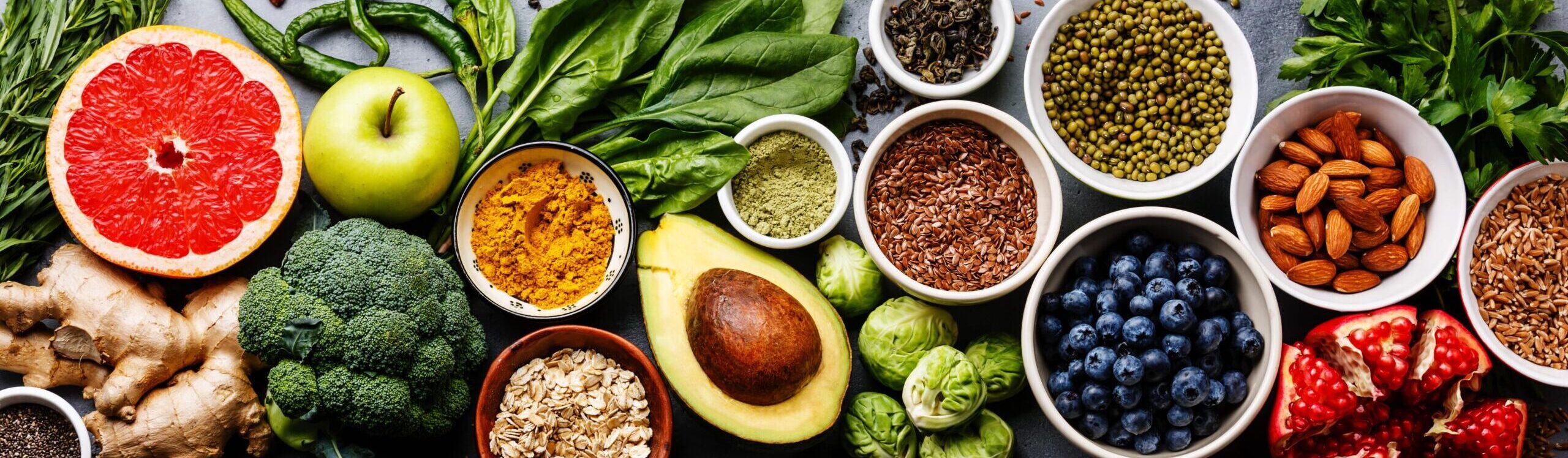
- Green leafy vegetables: kale, spinach, turnip greens, collards, Swiss chard, mustard greens, parsley, romaine, and green leaf lettuce.
- Other vegetables: Brussels sprouts, broccoli, cauliflower, and cabbage.
- Fruits: avocados, kiwi.
- Vegetable oils: canola oil, soybean oil.
- Vitamin K2-rich foods:
- Fermented foods: natto (fermented soybeans), a particularly rich source.
- Animal products: chicken liver, egg yolk, hard cheeses, and butter from grass-fed cows.
Functions and Benefits of Vitamin K
Vitamin K supports several critical bodily functions:
- Blood Clotting: Vitamin K is essential for the synthesis of proteins required for blood clotting. Without adequate vitamin K, blood cannot clot properly, increasing the risk of excessive bleeding.
- Gesundheit der Knochen: Vitamin K helps in the regulation of calcium deposition. It activates osteocalcin, a protein that binds calcium to bones, thereby strengthening the bone matrix and helping to prevent osteoporosis.
- Herzgesundheit: It may help prevent the calcification of arteries and soft tissues, potentially reducing the risk of heart disease.
Deficiency Symptoms of Vitamin K
Although vitamin K deficiency is rare, when it occurs, it can lead to serious health issues such as:
- Easy bruising and bleeding: Including nosebleeds, gum bleeding, and heavy menstrual bleeding.
- Oozing from wounds or surgical sites.
- Blood in the urine or stool: Indicating internal bleeding.
- Poor bone health: Increasing the risk of fractures.
Excess Symptoms of Vitamin K
An overdose of vitamin K from food sources is rare because it is a fat-soluble vitamin, and the body can regulate its levels effectively. However, taking high doses of vitamin K supplements might lead to side effects such as:
- Skin rashes.
- Stomach upset or pain.
- Decreased appetite.
Recommended Daily Intake of Vitamin K
The recommended daily intake of vitamin K varies depending on age, gender, and life stage:
- Infants 0-6 months: 2.0 micrograms (mcg)
- Infants 7-12 months: 2.5 mcg
- Children 1-3 years: 30 µg
- Children 4-8 years: 55 mcg
- Children 9-13 years: 60 mcg
- Teens 14-18 years: 75 mcg (both genders)
- Men 19 years and older: 120 mcg
- Women 19 years and older: 90 mcg
- Pregnant or lactating women: 90 mcg
Absorption and Interactions of Vitamin K
Vitamin K absorption occurs in the small intestines and requires bile and pancreatic juices for proper absorption. After absorption, it is stored in the liver and fatty tissues.
Certain medications, such as antibiotics, bile acid sequestrants, und cholesterol-lowering drugs, may interfere with vitamin K absorption and should be managed under medical supervision.
Deficiency Diseases or Conditions Related to Vitamin K
A severe deficiency in vitamin K can lead to Vitamin K Deficiency Bleeding (VKDB) in newborns, a condition where the inability to form blood clots can cause severe bleeding. In adults, vitamin K deficiency may result in:
- Increased bleeding and bruising.
- Hemorrhaging: Severe and uncontrolled bleeding that can be life-threatening.
Toxicity or Overdose Effects of Vitamin K
Excess intake of vitamin K from natural food sources is not associated with toxicity. However, taking high doses of vitamin K supplements, especially the synthetic form K3, can cause:
- Jaundice.
- Hyperbilirubinemia.
- Hemolytic anemia.
Special Considerations for Vitamin K
People taking blood-thinning medications (anticoagulants), like warfarin, should monitor their vitamin K intake closely because vitamin K can reduce the effectiveness of these medications.
Newborns are naturally deficient in vitamin K and are typically given a vitamin K injection at birth to prevent VKDB.
Additional Facts about Vitamin K
- The name “Vitamin K” comes from the German word “Koagulationsvitamin,” signifying its role in blood coagulation.
- There are synthetic forms of vitamin K, such as K3, K4, and K5, which are generally not used in human nutrition.
- Gut microbiota can produce vitamin K2, contributing to daily requirements, although the exact amount and bioavailability are still under research.
- Vitamin K works synergistically with vitamin D to ensure that calcium is directed to bones and teeth rather than accumulating in arteries and kidneys, where it can cause harm.
Quellen