Introduction to Iron
Iron is a vital mineral that has several important roles in the body. It is best known for its critical role in the formation of hemoglobin, a protein in red blood cells that carries oxygen from the lungs to the body’s tissues. This role makes iron an indispensable element in energy production and metabolism. Without sufficient iron, your body can’t produce enough healthy oxygen-carrying red blood cells, leading to iron deficiency anemia.
Food Sources of Iron
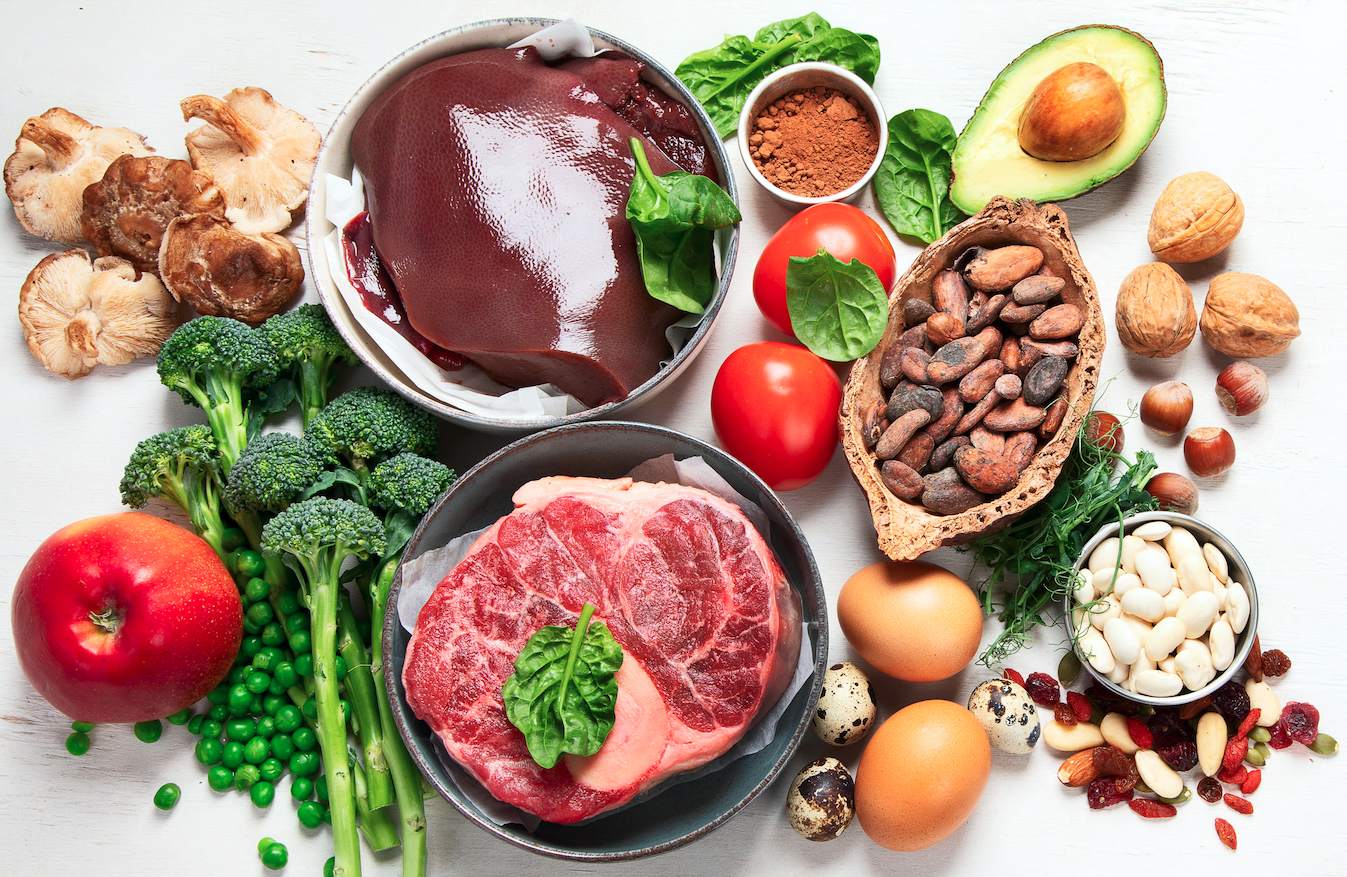
Iron is found in a variety of foods. There are two types of dietary iron: heme and non-heme. Heme iron is found in animal products and is more readily absorbed by the body, while non-heme iron is found in plant-based foods and is less easily absorbed. Some good sources of iron include:
- Red meat, particularly beef and liver
- Poultry and fish
- Shellfish, like oysters and clams
- Iron-fortified cereals and breads
- Dark green leafy vegetables, like spinach and kale
- Legumes, like lentils and beans
- Dried fruits, such as apricots and raisins
- Nüsse und Samen
Functions and Benefits of Iron
The primary function of iron is to help red blood cells transport oxygen to all parts of the body, but it also has other important roles:
- Energy Production: Iron is necessary for the metabolic process of converting nutrients into energy.
- Muscle Function: Iron is present in the muscle tissue and helps supply the muscles with oxygen.
- Brain Function: Iron supports brain development and function due to its role in creating neurotransmitters and myelin, which insulates nerve cells.
- Immune Function: Iron is necessary for the growth and differentiation of immune cells.
Deficiency Symptoms of Iron
Iron deficiency is one of the most common nutrient deficiencies globally. Symptoms of iron deficiency can include:
- Fatigue and weakness
- Pale skin
- Shortness of breath
- Dizziness or lightheadedness
- Kopfschmerzen
- Brittle nails or hair loss
- Inflamed or sore tongue
- Increased susceptibility to infections
Excess Symptoms of Iron
Excess iron, or iron overload, can occur from consuming high amounts of iron supplements. It can also occur in a hereditary disorder called hemochromatosis. Symptoms of iron overload can include:
- Fatigue or lack of energy
- Joint pain
- Abdominal pain
- Loss of libido or impotence
- Heart problems
- Liver disease
Recommended Daily Intake of Iron
The recommended daily intake of iron varies by age, sex, and life stage:
- Infants (0-6 months): 0.27 mg
- Infants (7-12 months): 11 mg
- Children (1-3 years): 7 mg
- Children (4-8 years): 10 mg
- Children (9-13 years): 8 mg
- Teenagers (14-18 years): 11 mg (males), 15 mg (females)
- Adults (19-50 years): 8 mg (males), 18 mg (females)
- Adults (51 years and above): 8 mg (both sexes)
Pregnant women have a higher iron requirement of 27 mg per day.
Absorption and Interactions of Iron
Iron absorption takes place primarily in the small intestine. Several dietary factors can enhance or inhibit iron absorption. For instance, vitamin C can boost iron absorption, while phytates (found in grains and beans) and polyphenols (found in some vegetables and tea) can inhibit it.
Deficiency Diseases or Conditions Related to Iron
Chronic iron deficiency can lead to iron deficiency anemia, which can cause a variety of symptoms, including fatigue, shortness of breath, and decreased immune function.
Toxicity or Overdose Effects of Iron
Iron toxicity can cause damage to the liver and other organs. Acute iron poisoning, usually from children ingesting iron supplements, can be severe and require medical attention. Chronic iron overload, typically from a genetic condition like hemochromatosis, can also have serious health effects, including liver damage and heart disease.
Special Considerations for Iron
Certain populations may need more iron or have difficulty getting enough from their diet. These include pregnant women, individuals with heavy menstrual bleeding, vegetarians and vegans (who only consume non-heme iron), frequent blood donors, and people with certain medical conditions like celiac disease or Crohn’s disease.
Additional Facts about Iron
- Iron’s role in the creation of hemoglobin gives our blood its red color.
- Despite the association between iron and strength, iron itself is not heavy; it’s a relatively lightweight element.
- Non-heme iron absorption can be improved by consuming it with a source of vitamin C.
- Iron cookware can actually increase the iron content of the foods cooked in them.
- In ancient Greece, iron was associated with Ares, the god of war, due to its use in weapons and the color’s resemblance to blood.
Quelle: Links
- National Institutes of Health (NIH) – Office of Dietary Supplements: Iron
- World Health Organization (WHO) – Iron Deficiency Anaemia
- Centers for Disease Control and Prevention (CDC) – Iron and Iron Deficiency
- Mayo Clinic – Iron Supplement (Oral Route, Parenteral Route)