When it comes to maintaining a balanced lifestyle and managing one’s weight, understanding the role of fat in our diets is crucial. It’s no revelation that the obesity epidemic poses a significant public health challenge, with excess body fat being a contributing factor. However, not all fats are foes in our quest for health; some are essential allies. Despite the potential for the adverse health impacts of fat, when consumed mindfully, fat can support a multitude of body functions, including hormone production and thermal insulation.
A fine line exists between beneficial and detrimental fatty acid consumption, which means that fat management is key in any nutritional strategy. Knowing which fats to embrace and which to limit—and understanding their effects on overall health—can be empowering. By managing both the quantity and quality of fat intake, you are more likely to achieve successful weight loss and enhance your wellness. Let us navigate the complex landscape of dietary fats to adopt a more balanced lifestyle and pave the way for optimal health.
Wichtigste Erkenntnisse
- Recognize the essential role that fats play in a healthy, balanced diet.
- Understand the difference between healthy and unhealthy fats to effectively manage fat intake.
- Learn that limiting certain types of fat, like saturated and trans fats, can help mitigate the risk of obesity and related health complications.
- Consider the importance of fat in energy production and Nährstoffaufnahme for maintaining overall health.
- Discover the power of a balanced lifestyle as a key element to successful weight management.
- Use informed choices to navigate the complexities of fat consumption and their impacts on health.
The Essential Role of Fats in the Body
While often vilified in popular diet culture, fats play a myriad of roles that are fundamental for maintaining good health. Beyond just being a source of energy, fats also facilitate critical physiological processes that you may not immediately recognize.

Why Your Body Needs Fat
Fat serves as a key player in keeping you healthy—it acts as a thermal insulator, preserving body heat, and as a cushion protecting vital organs. Without adequate body fat, you might face hormonal imbalance and a deficiency in essential fatty acids, which are critical as your body is unable to synthesize them independently. Most prominently, these include Omega-3 and Omega-6 fatty acids, renowned for their role in brain development, inflammation regulation, and blood clotting.
The Different Forms of Dietary Fat
Dietary fat comes in several forms, each with unique properties and effects on health. There are healthy fats, such as monounsaturated and polyunsaturated fats, which are crucial for maintaining heart health. Then there are gesättigte Fette and trans fats, which have been linked to increased risk of cardiovascular disease when overconsumed. A strategic balance of dietary fats can support a myriad of body functions without contributing to unwarranted weight gain.
| Type of Fat | Common Sources | Recommended Intake |
|---|---|---|
| Monounsaturated fats | Olive oil, avocados, nuts | Maintain as part of a healthy diet |
| Polyunsaturated fats (includes Omega-3 and Omega-6) | Fatty fish, flaxseeds, walnuts | Incorporate regularly |
| Gesättigte Fette | Red meat, butter, cheese | Limit to |
| Trans fats | Processed foods, baked goods | Avoid as much as possible |
Energy Production and Nutrient Absorption
The energy production capability of fats is unparalleled compared to other macronutrients, providing 9 calories per gram, which becomes crucial, especially during prolonged physical activities. Furthermore, fats aid in the absorption of fat-soluble vitamins, such as Vitamins A, D, and E, each essential for various aspects of your health including vision, bone development, and protecting your body against oxidative damage. Consuming healthy fats not only enhances Nährstoffaufnahme but also promotes sustained energy levels throughout your day.
Identifying Healthy Fats Versus Unhealthy Fats
Embarking on the path to a balanced lifestyle includes understanding the diverse types of fats and their effects on your body. Many foods contain healthy fats that contribute positively to your well-being, while others possess fats that could detract from your health. To support your journey towards informed dietary choices, let’s delve into the world of fats and differentiate the good from the bad.
Monounsaturated and Polyunsaturated Fats
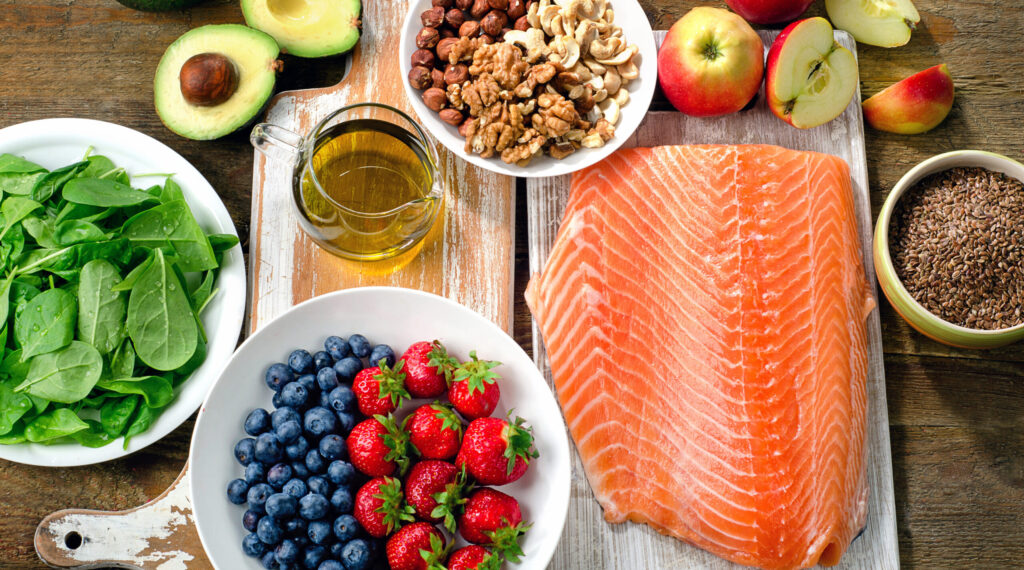
Monounsaturated and polyunsaturated fats, known for their beneficial properties, can play a pivotal role in maintaining cardiovascular health. These ungesättigte Fette are abundantly found in plant-based sources and certain types of fish. Regular consumption of these fats is associated with maintaining suitable cholesterol levels and can also support the reduction of belly fat when combined with proper diet and exercise. Examples of monounsaturated fat-rich foods include olive oil, avocados, and a variety of nuts such as almonds and cashews. Polyunsaturated fats are especially noteworthy due to their content of essential fatty acids like Omega-3 and Omega-6 which your body cannot produce. Foods rich in polyunsaturated fats include fatty fish like salmon, flaxseeds, and walnuts—integral components of a heart-health-conscious diet.
Saturated and Trans Fats: Recognizing the Risks
On the flip side, saturated fat und trans fat are two types of lipid that have been consistently linked to negative health outcomes. Commonly found in processed meats, full-fat dairy products, and certain oils, gesättigte Fette can elevate LDL cholesterol, colloquially known as ‘bad’ cholesterol. This can directly contribute to the accumulation of plaques in your arteries, heightening the risk for cardiovascular disease. Furthermore, trans fats—often present in fried foods, baked goods, and some margarines—pose an even greater threat by not only increasing LDL cholesterol but also reducing HDL or ‘good’ cholesterol. Recognizing and managing the intake of these unhealthy fats is crucial for preventing an increase in belly fat and keeping your heart functioning optimally.

| Fat Type | Quelle | Auswirkungen auf die Gesundheit |
|---|---|---|
| Monounsaturated Fats | Olive oil, Avocados, Almonds | Positive |
| Polyunsaturated Fats | Fish, Flaxseeds, Walnuts | Positive |
| Saturated Fats | Red Meat, Butter, Cheese | Negative |
| Trans Fats | Baked Goods, Processed Foods | Negative |
Choosing wisely between these fats not only affects your cholesterol levels but can also play a significant role in your comprehensive health, including the management of belly fat. By prioritizing the right kind of fats and minimizing the intake of those that pose health risks, you can shape your diet to support a healthier, more resilient body.
Fat and Cardiovascular Health
Understanding the influence of fats on cardiovascular health is pivotal as you embark on a heart-healthy life. It is essential to recognize that not all fats exert the same influence on your risk of Herzkrankheit. Let’s examine the scientific discourse surrounding saturated and unsaturated fats, and how balancing these can catalyze fat burning and fortify heart health.
The Impact of Saturated Fat on Heart Disease
Extensive research links gesättigte Fette to an elevated risk of Herzkrankheit primarily due to their ability to increase low-density lipoprotein (LDL), often referred to as ‘bad’ cholesterol. Predominantly found in animal products and certain oils, these fats contribute to the development of arterial plaques that can impede cardiovascular function. The key to minimizing this risk lies in dietary vigilance and moderation.
Reducing the Risk: Incorporating Unsaturated Fats
Conversely, evidence suggests that ungesättigte Fette, both monounsaturated and polyunsaturated, can play a protective role by positively modulating cholesterol levels. These fats, present in foods like fish, nuts, and seeds, can mitigate inflammation and are associated with better cardiovascular health. In fact, replacing foods high in saturated fat with those rich in ungesättigte Fette could lessen the likelihood of developing heart conditions.
Below is a categorization of fats to guide your dietary choices:
| Fat Category | Role in Cardiovascular Health | Suggested Action |
|---|---|---|
| Saturated Fat | Raise ‘bad’ LDL cholesterol | Limit intake |
| Trans Fat | Increases LDL; reduces HDL cholesterol | Avoid as much as possible |
| Monounsaturated Fat | May lower ‘bad’ LDL cholesterol | Incorporate in moderation |
| Polyunsaturated Fat (Omega-3 & Omega-6) | Supports heart health; reduces inflammation | Include as part of balanced intake |
Moving toward a heart-conscious diet necessitates cutting down on gesättigte Fette and encouraging the intake of ungesättigte Fette. Such changes not only aid in fat burning but also set the stage for a resilient cardiovascular system.
The Connection Between Fat and Obesity
The escalating rates of obesity have become a stark public health issue, intimately linked with an increase in the consumption of dietary fats. It is critical to understand that not all fats are inherently bad; the challenge resides in differentiating and managing your intake to prevent the accumulation of unnecessary body fat. This accumulation is a significant factor contributing to obesity, a condition that comes with a myriad of health risks.
Your dietary choices directly influence your body’s balance. Excess calories from fat are more efficiently stored as body fat compared to other macronutrients, which can lead to weight gain. These extra reserves may serve as a source of energy during times of need; however, when storage exceeds usage consistently, this leads to weight gain, and obesity can ensue.
Engaging in an effective fat loss strategy is not solely about cutting fats entirely from your diet—an approach that is not only impractical but also unhealthy. It’s about achieving a nuanced understanding of fat management and making intelligent food choices that not only promote weight loss but also nourish your body.
For example, incorporating foods that are high in monounsaturated and polyunsaturated fats while reducing intake of saturated and trans fats may help in reducing overall body fat levels and improving body composition. Strategies such as these lead to more informed decisions that can greatly affect your risk of developing obesity-related conditions, such as type 2 diabetes, Herzkrankheit, and certain cancers.
To provide perspective on how fats affect your health, let’s consider their energy content:
| Type of Nutrient | Calories per Gram |
|---|---|
| Fette | 9 |
| Carbohydrates | 4 |
| Proteine | 4 |
This table illustrates why fats are more calorie-dense and potentially more contributory to energy imbalance and weight gain if not managed properly.
It is equally important to consider the quality of the fats in your diet. While some fats may contribute to negative health outcomes when consumed in excess, others provide essential nutrients that cannot be synthesized by the body. This is why variety and moderation should be your guiding principles in managing dietary fats—a crucial aspect in fostering weight loss and preventing obesity.
Remember, the equation for weight management is not singularly about calories; it’s also about where those calories come from and how they interact with your body’s unique physiology.
Nutritional Guidelines for Fat Intake
As you pursue a heart-healthy diet, it’s important to be mindful of the fats you consume. It’s not just the amount, but the type of fat you eat that matters. Recognizing the difference between saturated and trans fats, and understanding how much of them you should consume, is essential for maintaining good health. Dietary guidelines provided by health authorities can help you make better choices and decode the nutrition labels on your food.
Government Recommendations for Fat Consumption
Keeping track of how much saturated fat und trans fat you consume is made simpler through government-established dietary guidelines. These recommendations urge men to limit their intake of saturated fat to less than 30g per day, while women should aim for no more than 20g. Trans fat consumption should be kept to less than 5g per day for both. Adhering to these guidelines can mitigate the risks linked to high fat consumption, which include Herzkrankheit and other cardiovascular ailments.
Interpreting Food Labels and Fat Content
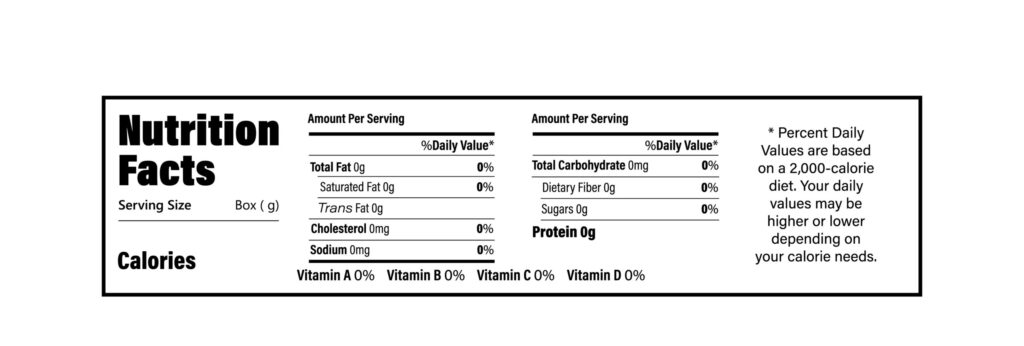
Familiarizing yourself with nutrition labels is key to managing your fat intake. These labels detail both the total fat and saturated fat content, empowering you to align your diet with the recommended limits for saturated fat und trans fat. Look for terms like “hydrogenated oils” or “partially hydrogenated oils,” as these typically indicate the presence of trans fats. With this knowledge, you can make informed decisions about the foods you include in your daily meal planning, soundly supporting your heart health.
Fat and Its Complex Role in Health and Obesity
As a source of energy, a component in cell structuring, and a necessity for absorbing vitamins, fat is an indisputable player in your health. Yet, its role extends beyond its dietary benefits. Without proper fat management, there is an increased risk of obesity and the serious health impacts of fat. Not all fats are created equal, and understanding the types of fats and their effects on the body will guide you towards better weight loss strategies and overall health management.
Let’s explore the dualistic nature of fat and how to navigate it within your diet:
- The essential functions of fat: from energy supply and cellular function to hormone production and insulation
- Recognizing the fine line where dietary fat turns from a necessity to a health hazard
- Connecting the dots between dietary fat, caloric density, and weight gain—understanding the efficiency of fat storage
- Adopting an enlightened approach to weight loss through nuanced fat management instead of complete fat avoidance

Turning to the calorific value, fats are the densest form of food energy. With 9 calories per gram, fats provide more than double the calories per gram than carbohydrates or proteins do. Consequently, overconsumption can lead to an excess of energy, easily stored in the body as fat, contributing to obesity. Therefore, managing your fat intake is crucial not just for weight loss but also for preventing the cascading health repercussions linked to excess body fat.
| Effect of Fat Type | Potential Impact |
|---|---|
| Excess Saturated and Trans Fats | Increases risk of heart disease and obesity |
| Balanced Intake of Healthy Fats | Supports cellular health and hormone production |
| Mindful Consumption of Fats | May lead to improved weight management and reduced obesity risk |
As you structure your diet, aim to balance the consumption of fats—scaling back on foods rich in saturated and trans fats while incorporating those abundant in monounsaturated and polyunsaturated fats. This approach supports not only cardiovascular health but also aligns with effective weight loss methods. By recognizing the complexity of fat’s role in your body, you equip yourself with knowledge that moves you towards a healthier lifestyle and more successful fat management. Consider each meal as an opportunity to harmonize your health objectives with the foods you choose to fuel your body.
Strategies for Managing Dietary Fat
In the pursuit of a healthier lifestyle, understanding how to manage dietary fat is a critical component that goes hand in hand with weight management and maintaining a balanced diet. The foods you choose and how you prepare them can have a significant impact on your health. Practical changes in your cooking habits and smarter food choices will benefit you on your journey to better health.
Healthy Cooking and Food Preparation Tips
Healthy cooking starts with selecting the right ingredients and preparing them using methods that preserve nutritional value while minimizing unhealthy fat additions. For successful fat management, choose cooking oils that are high in ungesättigte Fette, such as olive oil, canola oil, or other plant-based oils. These oils are not only heart-healthy but also contribute to the flavor of your dishes without compromising your diet.
Here are a few ways to enhance your healthy cooking techniques:
- Opt for grilling, steaming, or baking instead of frying. These methods do not require large amounts of fat and can help retain the natural flavors and nutrients of food.
- When sautéing, use a small amount of oil, or try cooking sprays as an alternative to reduce the total fat content of your meals.
- Make use of herbs, spices, and citrus to add flavor without adding extra fat or calories.
- Mindfully read labels and select products with lower saturated and trans fat content.
- When choosing meats, select lean cuts and trim away visible fat to reduce saturated fat intake.
By incorporating these healthy cooking approaches, you’ll ensure that your meals are not only delicious but also aligned with your fat management goals.
Smart Choices for Fat Intake and Weight Management
Making informed decisions about the types and amounts of fats in your diet is a fundamental aspect of managing your weight. To develop a well-rounded approach to fat management, prioritize whole, unprocessed foods that are naturally lower in unhealthy fats.
Consider constructing your meals around these nutrient-dense, lower-fat food options:
- Leafy greens and colorful vegetables loaded with vitamins and minerals
- Whole grains like brown rice, quinoa, and oatmeal, which provide fiber and nutrients
- Lean protein sources including poultry, fish, and plant-based proteins like beans and lentils
- Lower-fat dairy products or plant-based alternatives that avoid excessive saturated fat intake
For those times between meals, instead of reaching for high-fat snacks, try these healthier alternatives:
- Unsalted nuts and seeds, which offer beneficial fats and are satiating
- Fresh fruit which provides natural sugars along with fiber and vitamins
- Veggie sticks paired with hummus or yogurt-based dips
- Whole grain crackers or popcorn without added butter or salt

Incorporating these smart choices into your daily regimen promotes healthy cooking habits and contributes to sustainable weight management. Remember, keeping an eye on your dietary fat intake doesn’t mean sacrificing flavor or satisfaction. Through mindful selection and preparation of food, you can enjoy a diverse, tasty, and healthful diet.
Finally, consider keeping a food diary to monitor your intake of fats, which will help you to stay on track with your weight management efforts. Recognizing patterns in your eating habits can be illuminating and guide you to make adjustments where necessary to maintain a diet rich in healthy fats and low in dietary risks.
Sources of Healthy Fats in Your Diet
To maintain your health and support vital bodily functions, it’s essential to include healthy fats in your dietary regimen. Fats often come with a negative connotation, but understanding the sources of beneficial fatty acids can help you make informed decisions to enhance your wellness.
Incorporating Fatty Acids Through Whole Foods
Including a range of whole foods in your diet is an effective way to introduce healthy fats into your meals. These fats, particularly omega-3 fats und omega-6 fats, are found in foods such as nuts, seeds, avocados, and certain types of fish. Balancing these sources of fat can contribute not only to brain development and reducing inflammation but also to better overall health.
Let’s take a closer look at where you can find these essential fatty acids and how they benefit your body.
- Walnuts, flaxseeds, and chia seeds are excellent plant-based sources of omega-3 fats.
- Avocados and olives provide monounsaturated fats, which are supportive of heart health.
- Almonds, cashews, and other nuts are rich in both monounsaturated and polyunsaturated fats, contributing to better cholesterol levels.
- Oily fish like salmon, mackerel, and sardines are also rich sources of omega-3 fats, supporting cardiovascular function.
By consciously integrating these foods into your diet, you’re not only fortifying your body with required energy but also taking part in active fat management that can lead to a healthier lifestyle.
Understanding Omega-3 and Omega-6 Fats
The balance between omega-3 fats und omega-6 fats is another aspect to consider in your dietary plan. While both types of fats are essential, it’s the ratio that may impact your health outcomes.
| Fatty Acid Type | Key Benefits | Common Sources |
|---|---|---|
| Omega-3 Fats | Supports brain health, reduces inflammation, and improves heart health | Fatty fish, walnuts, flaxseeds |
| Omega-6 Fats | Crucial for brain function, bone health, and regulating metabolism | Safflower oil, soybean oil, sunflower seeds |
Your goal should be to include both types of healthy fats in your diet, but in moderation. Omega-6 fats are commonly found in plant oils and processed foods, which can be overconsumed. Keeping a watchful eye on your omega-6 intake and focusing on increasing omega-3-rich foods will aid in maintaining this crucial balance.
Ultimately, these fatty acids are not just a component of your diet—they’re a vital part of maintaining your body’s health and preventing chronic diseases. By prioritizing the inclusion of omega-3 fats und omega-6 fats through whole foods, you’re taking a significant step in managing your wellness proactively.
As we’ve journeyed through the complexities of dietary fats and their impact on your health and waistline, the fundamental takeaway is the importance of a balanced lifestyle. Balancing the types of fats you consume can substantially enhance your fat burning capabilities and bolster overall health. It’s not about fearing fat as a whole, but embracing the art of discerning between the types that nourish and the ones that undermine your health. Healthy fat consumption isn’t just a facet of your diet; it’s a cornerstone of a vibrant, well-rounded life.
Embracing Balance: The Key to Healthy Fat Consumption
Ultimately, sustainable fat loss journey is paved with knowledge and moderation. By educating yourself about the myriad roles fats play and their varied effects, you equip yourself to make informed decisions that support a heart-healthy and energy-boosting dietary pattern. Remember, monounsaturated and polyunsaturated fats are your allies in wellness, helping to manage cholesterol levels and inflammation, while saturated and trans fats are best limited to safeguard your cardiovascular health.
Next Steps in Your Journey to Understanding Fat
Your path forward involves a continued commitment to learning and mindful eating. Stay attuned to the latest nutritional science and governmental dietary guidelines, which provide valuable insights for managing your fat intake. As you traverse your health and wellness path, think of your plate as a palette for crafting nourishing meals that align with your goals for a balanced lifestyle and optimal well-being. Here’s to your success in mastering the art of healthy fat consumption, a critical step in your quest for a resilient and energetic life.