
Imagine your body as a bustling city, where Proteinsynthese is at the heart of growth and development. An unsung hero in this complex metropolis is histidine, a nutritionally essential amino acid that you cannot afford to overlook. As an architect in enzyme functions and a guardian of your overall health, histidine’s influence is far-reaching, from amplifying metabolic pathways to bolstering immune responses.
While the body can’t produce histidine on its own, integrating histidine supplements or histidine-rich foods into your diet can ensure that your bodily systems operate at their prime. It’s time to give this essential amino acid its due credit and make it a staple in your quest for health excellence.
Wichtigste Erkenntnisse
- Discover histidine’s role in producing hormones that regulate crucial body functions like neurotransmission and renal operation.
- Recognize the necessity of histidine in your diet to catalyze enzymatic actions and bolster myelin sheath integrity.
- Consider supplements as a viable option to fulfill your body’s histidine needs for enhanced Proteinsynthese.
- Explore how histidine’s antioxidative and anti-inflammatory properties contribute to robust health and well-being.
- Understand the importance of balancing histidine intake through diet to leverage its full spectrum of benefits.
The Vital Role of Histidine in Human Physiology
Embarking on an exploration of histidine benefits, you’ll find this semi-essential amino acid serves as a cornerstone for maintaining and facilitating numerous physiological functions. Its notable contributions span from enzyme catalysis to neurotransmitter modulation, revealing the critical nature of histidine within the human body. As we delve into the depths of histidine’s roles, it becomes evident that adequate diet-derived levels are pivotal for our well-being.
Overview of Histidine’s Biological Importance
Your body’s reliance on histidine metabolism is clear when considering its structural role in proteins, which are the building blocks of life. Histidine is integral to protein structure, ensuring that proper folding and function occur as it supports the complex architecture of enzymes and other critical biomolecules. Enzyme catalysis is another arena where histidine shines; its ability to transfer protons efficiently is unparalleled, ushering in faster biochemical reactions vital for your health.
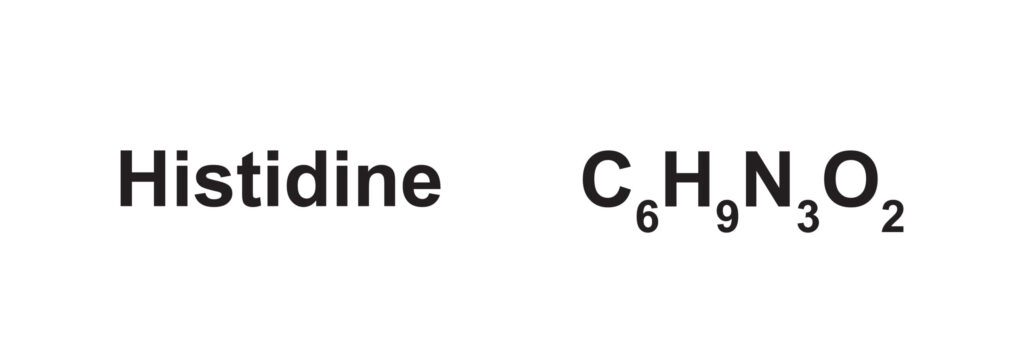
Interactions with Hormones and Neurotransmitters
Identifying the scope of histidine’s influence brings us to its nuanced interactions within the endocrine and neurological systems. It lays the groundwork for hormone synthesis and neurotransmitter modulation, elements fundamental to a myriad of bodily functions. From its role in the production of thyrotropin-releasing hormone to histamine’s direct involvement in inflammation and gastric functions, histidine’s impact on human physiology is both direct and profound.
- Essential in synthesizing hormones that control thyroid function, growth, and metabolism.
- Critical in the generation of histamine, a neurotransmitter with pivotal roles in the immune response and acid regulation in the stomach.
- Acts as an intermediary in the production of carnosine and anserine, dipeptides that serve protective cellular functions.
- Interactive with zinc and manganese ions, it plays a part in DNA transcription and the action of carbonic anhydrase.
Understanding the diverse roles of histidine not only underscores the importance of this amino acid but also highlights the need for a well-rounded diet or supplementation to ensure these essential processes continue unimpeded in your body.
Nutritional Sources of Histidine
Discovering the myriad of histidine-rich foods is essential for those aiming to enhance their diet with this crucial amino acid. Since your body doesn’t produce histidine internally, it’s important to seek out dietary sources of histidine that will support your health and facilitate optimal protein metabolism. Let’s dive into the protein havens where histidine abounds.

Pork, Beef, and Other Meats as Rich Histidine Providers
For those who include animal products in their diets, meats such as pork and beef are veritable treasure chests of histidine. These protein-rich meals are not only satisfying and flavorful but also packed with the histidine your body craves for vital functions.
Legumes, Grains, and Corn: Plant-Based Histidine Options
Vegetarians and vegans, rejoice! Legumes, grains, and even corn offer ample histidine to meet your dietary needs. These plant-based choices ensure that everyone has access to this indispensable amino acid, promoting healthful living irrespective of dietary preferences.
| Food Source | Histidine Content (mg per g of protein) | Comments |
|---|---|---|
| Pork | 38 | One of the highest sources of histidine. |
| Beef | 34 | Ranks slightly below pork in histidine content. |
| Hülsenfrüchte | 27 | Great option for plant-based diets. |
| Körner | 23 | Contains less histidine than legumes but still beneficial. |
| Corn | 30 | A grain with a relatively higher histidine content. |
While meat sources generally provide a denser concentration of histidine, plant-based options like soy, chickpeas, and quinoa also hold their ground with substantial amounts. For a holistic approach to health, consider incorporating diverse histidine sources into your meals to harness the full spectrum of this amino acid’s benefits. Your body—and taste buds—will thank you for it.
Histidine-Rich Foods and Optimal Health
A balanced diet, complete with vital amino acids like histidine, is fundamental to achieving optimal health. You may already know the importance of proteins in your diet, but diving into the specifics, histidine plays a pivotal role, especially in phases of growth and development. Recognizing the histidine advantages in your daily intake can considerably amplify your body’s capacity for tissue repair and overall vitality.
With the objective of meeting dietary histidine requirements, you must be aware of the nutritious bounty that nature offers. Foods teeming with histidine not only contribute to a well-balanced diet but also ensure that your body’s complex systems are nourished for optimal functioning.
Meeting Dietary Histidine Requirements
Your body’s need for histidine can be fulfilled by thoughtful dietary choices. Protein-rich foods are particularly generous in histidine, thus positioning them as essential staples in your diet. To maintain a robust and resilient physiological state, consider integrating various histidine-rich foods that cater to both carnivorous and herbivorous preferences.
Benefits of Histidine-Rich Diets for Tissue Repair and Growth
The inclusion of histidine in your diet goes beyond mere nutritional value; it stands as a proponent of growth and a repair agent after physical exertion or injury. Histidine’s efficacy in bolstering growth and development is particularly notable. Its presence is critical not just in muscle development, but also in the maintenance and repair of tissues throughout the body, thus endorsing the need for a diet replete with this vital amino acid.
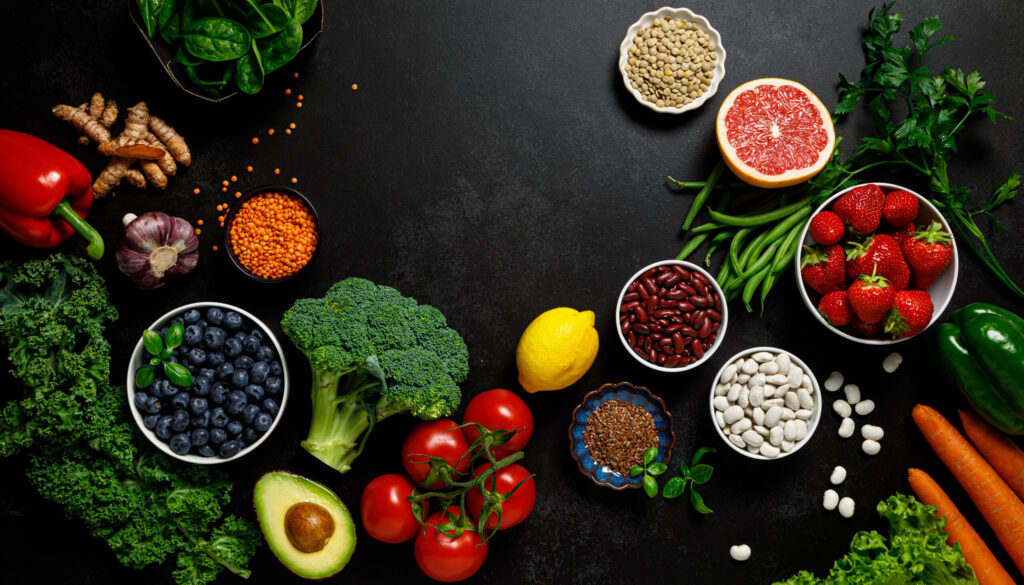
Let’s consider a practical approach to incorporating histidine into your dietary pattern. Looking at a diverse array of foods, here’s how you can blend taste with health benefits:
| Food Group | Histidine Content | Dietary Benefits |
|---|---|---|
| Meats (Pork, Beef) | High | Supports muscle growth and tissue repair |
| Legumes (Beans, Lentils) | Moderate-High | Promotes balanced nutrition and sustains energy |
| Whole Grains (Quinoa, Whole Wheat) | Moderate | Favors tissue health and provides steady nutrient release |
| Nüsse und Saaten | Varies | Contains other essential nutrients alongside histidine |
| Fish and Poultry | High | Excellent sources for growth, development, and tissue repair |
Empowered by the knowledge of histidine’s profound impact on tissue resilience and metabolic health, you can optimize your nutrient intake for a healthier, more energetic you. Remember, the path to well-being is paved with conscious choices, among which lies the might of histidine-rich foods.
Protein Synthesis and Histidine Supplementation
Strengthening your body’s muscle power may well be tied to an important ally: histidine supplementation. This essential amino acid plays a significant role in the orchestration of muscle protein synthesis, especially post-exercise, enabling you to recover and grow stronger. Let’s explore how incorporating optimal essential amino acid intake into your diet, including histidine, can benefit your muscular health and performance.
Enhancing Muscle Protein Synthesis with Histidine
When you introduce histidine through sources like dietary protein or as a targeted supplement, you’re effectively fueling the muscle protein synthesis engine. Histidine does not work in isolation but joins forces with a team of other essential amino acids, driving the anabolic processes that lead to muscle repair and growth.
After a workout, your muscle fibers are primed for recovery. That’s when histidine supplementation steps in, boosting the anabolic response which is essential for muscle rebuilding. This could be a game-changer for your training regimen, paving the way for enhanced performance and strength gains.
Essential Amino Acids and Their Role in Protein-Rich Meals
While supplementation offers a direct route to securing your histidine quota, don’t underestimate the power of a well-crafted meal, packed with protein. High-quality protein sources naturally rich in essential amino acids, including histidine, contribute greatly to muscle protein turnover.
For athletes and fitness enthusiasts, the equation is clear: integrating a balanced array of essential amino acids into your diet supports muscle recovery and growth. It’s a natural complement to your physical endeavors, whether you’re aiming to increase strength, endurance, or overall athletic performance.
- Consume protein-rich foods like lean meats, fish, beans, and dairy post-workout for natural histidine intake.
- Consider histidine supplements if your diet falls short of meeting the necessary essential amino acid levels.
- Remember that balance is key – a varied diet alongside potential supplementation ensures a comprehensive essential amino acid profile for your body.
By placing dietary emphasis on histidine and other essential amino acids, you are setting the stage for optimizing muscle repair and your body’s adaptive response to exercise. Keep your muscles fueled and ready to respond to the demands of your active lifestyle.
Understanding Histidine Metabolism
As you focus on maintaining a balanced diet for optimal health, it’s important to understand the complex pathways of histidine catabolism that support energy metabolism and ensure proper pH balance. These metabolic pathways highlight histidine’s essential role in enzymatic functions, impacting everything from exercise performance to everyday vitality.
Pathways of Histidine Catabolism
At the core of histidine metabolism lie specific enzymatic pathways responsible for its breakdown. The enzyme histidine decarboxylase converts histidine into histamine, a compound involved in numerous physiological responses. Another key enzyme, histidase, is tasked with deaminating histidine to produce urocanic acid, which is crucial for skin health and UV protection. These processes not only facilitate energy metabolism but also regulate vital functions within your body.
The Impact of Histidine on Energy Production and pH Regulation
Your body’s ability to produce energy and maintain a balanced internal environment hinges on the effective catabolism of histidine. This amino acid plays a pivotal role in managing the body’s pH levels, a factor crucial for many enzymatic functions. Moreover, histidine-derived compounds, such as histamine, have a significant impact on renal health and can influence outcomes for individuals with chronic kidney disease. By comprehending the importance of histidine in these processes, you can better appreciate this amino acid’s invaluable contribution to your well-being.

Histidine and Its Relationship with Myelin Sheaths
When you delve into the roles of histidine, you uncover a fascinating connection with the myelin sheath maintenance, which is critical for robust neurological health. Histidine is deeply involved in hydroxylation reactions that are essential for the compaction of the myelin sheath, ensuring proper nerve cell protection. This intricate relationship not only bolsters the structure of nerve cells but also plays a vital role in preventing and managing neuropsychiatric conditions.
Whether you know it or not, histidine is working behind the scenes to uphold the integrity of your nervous system through the preservation of myelin. This relates to the larger scale of histidine roles in human physiology, illustrating just how impactful this essential amino acid is.

Your understanding of histidine’s integral role in maintaining myelin sheath structure will empower you to make dietary choices that support nerve health. Below, we have compiled key food sources that are rich in histidine and can aid in the safeguarding of your nervous system.
| Food Source | Histidine Content | Bioavailability |
|---|---|---|
| Chicken | High | Easily absorbed for myelin sheath synthesis |
| Seeds (Pumpkin, Sesame) | Moderate | Supports prolonged release of histidine for neuron protection |
| Fish | High | Aids in the maintenance of nerve cell integrity |
| Vollkorn | Moderate | Contributes to myelin sheath density |
| Soy Products | High | Provides foundational blocks for nerve cell proliferation |
Adding these foods to your diet means you’re not just eating for pleasure or sustenance; you’re also fortifying the very sheath that ensures your nervous system communicates efficiently. For those with dietary restrictions, exploring histidine supplementation can also be beneficial. Always consider consulting with a healthcare professional before beginning any new supplementation routine.
Now that you are aware of histidine’s significance in myelin sheath maintenance, you can appreciate the far-reaching implications of this amino acid and how it contributes to your neurological vitality.
Exploring Histidine’s Anti-Inflammatory and Antioxidant Functions
As you seek to enrich your understanding of diet and health, turning your attention to the remarkable anti-inflammatory benefits und antioxidant action of histidine is essential. This amino acid isn’t simply a building block for protein synthesis—it also serves more profound roles within your body’s biological landscape.
The dynamic histidine functions extend to safeguarding your body’s cells from oxidative stress, a pervasive issue in the hectic pace of modern life. The antioxidant properties of histidine aid in combatting the damaging effects of oxidative stress, contributing to cellular health and longevity.
Let’s take a closer look at the versatile nature of histidine and its significance for your immunity. The famous byproduct of histidine metabolism, histamine, is pivotal in regulating your body’s inflammatory response. Whether it’s easing the symptoms of an allergy or modulating the complexities of an autoimmune reaction, histidine stands as a cornerstone of your body’s defense mechanisms.
Die histidine functions in our body range widely, yet its antioxidant action und anti-inflammatory benefits remain as some of its most defining and vital roles. – Health Expertise Today
In the context of inflammation, histidine’s anti-inflammatory prowess is at play, targeting the pathways that trigger and propagate inflammatory reactions. Recognizing this, the inclusion of histidine in your diet or supplementation protocol takes on a new level of significance, particularly for those managing chronic inflammatory conditions.
| Function of Histidine | Role in Anti-Inflammatory Processes | Role in Antioxidant Defense |
|---|---|---|
| Precurser to Histamine | Modulates immune response | Not directly involved, but supports cellular integrity |
| Metal Ion Chelation | Influences immune cell function | Protects cells from oxidative metal ions |
| Enzyme Function | Assists in breaking down inflammation-causing agents | Acts in enzymatic antioxidant systems |
Welcome to a new appreciation for histidine, where its antioxidant action und anti-inflammatory benefits herald its stature within the health community. As you integrate histidine-rich foods into your lifestyle, acknowledge the power of this amino acid to fortify your body against the ravages of inflammation and oxidation. It is not just a nutrient; it’s a champion for your overall wellness.
Histidine in the Context of Kidney and Liver Health
Unveiling the layers of essential amino acids leads us to appreciate histidine’s instrumental role in the well-being of vital organs, particularly in chronic kidney disease und liver health. As we examine the multifaceted functions of histidine, it becomes apparent that its influence extends deep into the metabolic intricacies of these organs. Let’s delve into a detailed view of how optimizing your histidine intake can potentially mitigate health challenges and bolster organ function.
Contribution to Chronic Kidney Disease Management
For individuals grappling with chronic kidney disease, maintaining optimal histidine levels can be a critical factor in disease management. Histidine metabolism intimately connects with your body’s ability to combat oxidative stress and balance inflammatory processes, which are pivotal in the progression of CKD. Emerging research suggests that dietary focus on histidine may offer a beacon of hope, possibly aiding in the amelioration of CKD symptoms and fostering an improved metabolic landscape for those affected.
Liver Functions and Histidine-related Enzyme Activities
Your liver, the biochemical maestro orchestrating metabolism, greatly relies on enzymes that interact with histidine. Histidine-related enzymes are significant players in the liver’s symphony of functions, contributing to the smooth execution of protein turnover and overall detoxification processes. By ensuring that your diet is replete with histidine, you support the liver’s capacity to perform its vital functions, thus promoting your overall systemic health.
Whether you’re navigating the challenges of CKD or aiming for optimal liver functionality, understanding the nexus between histidine and these crucial organs can guide you towards more informed health choices. By integrating histidine into your nutrition regimen, you invest in the longevity and vitality of your kidneys and liver, empowering these guardians of health to serve you well for years to come.
FAQ
What is histidine and why is it considered an essential amino acid?
Histidine is a crucial amino acid that’s pivotal for Proteinsynthese and various metabolic functions within the body. It’s considered essential because our bodies cannot produce it, so it must be obtained through our diet to support overall health.
How does histidine contribute to human physiology?
Histidine plays a diverse role in human physiology, including the synthesis of hormones, neurotransmitters, and myelin sheaths. It aids in enzyme catalysis and influences kidney and liver functions, highlighting its importance for maintaining various bodily systems.
What are the best dietary sources of histidine?
Excellent sources of histidine include meats like pork and beef. For those on plant-based diets, legumes, grains, and corn are great options to ensure sufficient histidine intake.
Why is it important to have histidine-rich foods in your diet?
Including histidine-rich foods in your diet is essential for growth, development, and tissue repair. It supports hemoglobin synthesis, helps maintain strong muscle and bone tissue, and can contribute to optimal metabolic health.
How is histidine metabolized in the body?
Histidine metabolism involves catabolism for energy production and plays a role in regulating intracellular pH and redox potential. It’s metabolized by specific enzymes into compounds like histamine and urocanic acid, which have physiological roles.
What is the relationship between histidine and myelin sheaths?
Histidine is involved in the hydroxylation reactions that are important for the compaction of myelin sheaths, which are vital for protecting nerve cells. This underscores the amino acid’s significant role in neurological health and integrity.
What are the anti-inflammatory and antioxidant benefits of histidine?
Histidine serves as a precursor to histamine, which modulates immune responses and inflammatory actions, providing anti-inflammatory benefits. Its metabolites can also exert antioxidant effects, helping to protect cells from oxidative stress.
How does histidine impact kidney and liver health?
Histidine levels and metabolism are important in maintaining kidney and liver health, affecting oxidative stress and inflammation, particularly in conditions like chronic kidney disease. Histidine-related enzymes in the liver are crucial for protein turnover and organ functionality.