
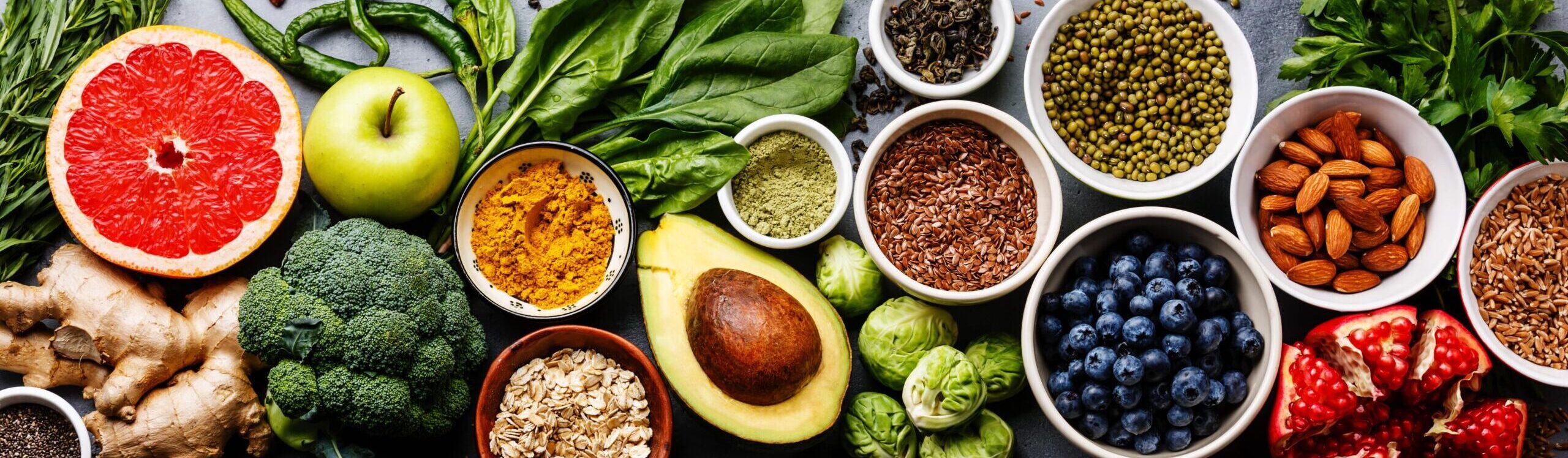
Have you ever wondered how the foods and drinks you consume influence your weight and energy levels? Understanding the concept of ‘kcal’, which stands for kilocalories, is fundamental to grasping your daily calorie intake and its impact on your overall health. Essentially, kcal is the unit measuring the energy potential in the nutrition you take in; it powers every activity, from the most mundane daily tasks to the most intense physical exertions. To maintain your weight and health, it is critical to balance your caloric intake with the energy your body expends, known as kcal to calories.
Whether your goal is to manage, lose, or gain weight, knowing how to convert kcal to calories can help you make informed decisions about the quantity and quality of the food on your plate. After all, 1 kcal is equal to the energy needed to raise 1 kg of water 1°C, and it’s important to recognize that this same energy fuels us. While the average caloric needs are 2,500 kcal for men and 2,000 kcal for women daily, your unique lifestyle and biological factors will adjust the kcal to kg of calories you require.
Wichtigste Erkenntnisse
- 1 kcal equals the energy to raise 1 kg of water by 1°C, which is essential in understanding caloric energy.
- For balanced health, your calorie intake should match the energy your body uses.
- The average daily calorie needs are about 2,500 kcal for men and 2,000 kcal for women, with variations based on individual factors.
- Understanding how to manage kcal and caloric intake is key to weight management.
- Being aware of how to convert kcal to calories can aid in making healthier food choices.
The Basics of Kcal and Caloric Intake
Delving into the core of dietary energy, understanding the basics of kcal to calories provides a fundamental framework for managing your caloric intake. The energy provided by the foods and beverages you consume is measured in kilocalories (kcal)—a term synonymous with what we commonly refer to as calories. These units of energy not only fuel your body, but they also play a pivotal role in weight management and overall well-being.

What is a Calorie?
A calorie, at its essence, amounts to much more than a simple number on a nutritional label. It represents a measure of heat energy, specifically, the energy needed to raise the temperature of 1 kilogram of water by 1 degree Celsius. Think of each calorie as a unit of potential energy available to be converted by your body into actual energy for movement, thought, growth, and the body’s natural regulatory functions. Using a calorie counter can illuminate the caloric content of various foods, aiding in dietary planning and facilitating a deeper awareness of energy consumption.
The Significance of Kcal in Your Diet
Integrating the knowledge of kcal into your diet is instrumental for maintaining a healthy lifestyle. Whether you need to measure your calorie intake for weight management, athletic training, or general health, kcal serve as a quantitative guide to plan and balance your meals. Acknowledging the caloric intake appropriate for your personal health goals helps to ensure that the fuel you provide your body aligns with your energy expenditure, laying a foundation for nutritional success.
| Daily Activity Level | Estimated Caloric Needs (Women) | Estimated Caloric Needs (Men) |
|---|---|---|
| Sedentary (little to no exercise) | 1600-2000 kcal | 2000-2400 kcal |
| Moderately active (moderate exercise/sports 3-5 days/week) | 2000-2200 kcal | 2200-2800 kcal |
| Active (hard exercise/sports 6-7 days a week) | 2400-2800 kcal | 2800-3200 kcal |
By understanding the equivalence of kcal to calories and making use of a reliable calorie counter, you’re equipped to craft an informed and personalized approach to your dietary habits. Keep in mind that the above table provides an estimation—personal factors such as age, weight, and overall health might alter these numbers. Embark on your journey to a healthier you with the knowledge that each calorie has a direct impact on your body’s energy levels and processes.
How Calories Fuel Your Body
Every step you take, every heartbeat, every thought—each of these actions is powered by energy derived from the food you eat, measured in kcal. But what exactly happens when you indulge in a meal, and how does it contribute to your calorie intake? Here, we’ll explore the fundamental ways calories, or kcal, serve as the lifeblood of your daily activities and overall health.
The role of calories extends far beyond mere numbers on a nutrition label; they are the essential energy source for all bodily functions. When you consume food, the caloric intake is converted into energy, facilitating the vital processes that keep you alive. This energy expenditure is critical not just for active pursuits but also for passive operations like breathing and circulation. This harmonious exchange is the cornerstone of your body’s energy ecosystem.
- Carbohydrates: Upon consumption, these molecules break down into sugars, providing quick fuel that keeps you alert and agile.
- Fats: They act as a dense, long-lasting energy reserve, ready to be tapped when your body’s immediate resources deplete.
- Proteins: While not a primary energy source, proteins are essential for repair and growth, ensuring your body’s continuous rejuvenation.
Understanding that these macronutrients each have a unique impact on your caloric intake will allow you to fine-tune your diet in alignment with your body’s requirements. It’s essential to balance consuming enough kcal to maintain the energy levels necessary for your lifestyle while avoiding excess, which may be stored as body fat.

For optimal energy management, it’s crucial to pay attention to the nutritional makeup of your meals. The kcal gleaned from whole, unprocessed foods is often more efficiently utilized by the body compared to those found in highly processed foods, leading to better health outcomes.
Thus, a thoughtful approach to your calorie intake will not only support your daily functions but also contribute to your overall well-being. Whether you’re engaged in a sedentary job or pushing the limits with high-intensity workouts, your caloric intake must be tailored to support your unique energy demands.
Remember, it’s not just about the amount of kcal consumed, but also the quality of those calories. By choosing foods that offer the best nutritional value, you equip your body with high-grade fuel, ready for any challenges life throws your way.
Kcal to Calories: Making Sense of Food Energy
As you navigate the complexities of nutritional information, the terms kcal to calories might appear convoluted. However, they are foundational in understanding the energy you consume and use every day. Recognizing the calorie conversion is paramount, especially when it comes to interpreting food labels and menus from various regions, since the measurement units for energy values can differ internationally.
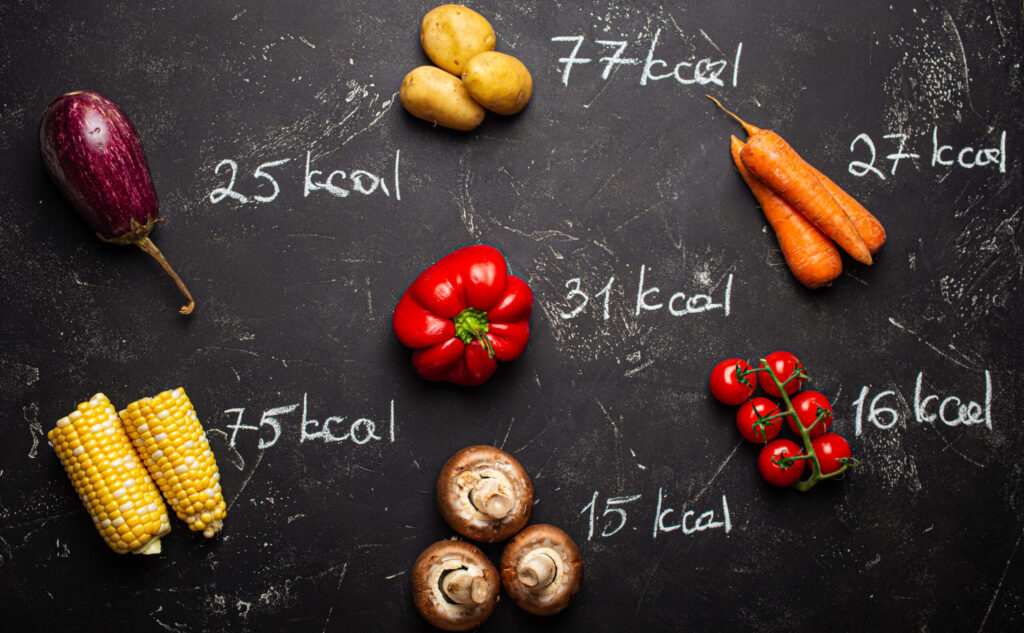
Understanding Calorie Conversion
When inspecting nutrition facts, you might notice that calories are sometimes expressed in kcal. Though it may seem confusing, rest assured that 1 kcal is equivalent to 1 large calorie. This interchangeability is useful to grasp when implementing a calorie calculator for precise dietary tracking or when adjusting recipes according to your nutritional needs. Simply put, the energy content remains constant whether it is labelled as calories or kcal.
Interpreting Food Labels and Menus
Food labels serve as a map to guide your dietary choices, which is why understanding the significance of their energy values is crucial. In the USA and Canada, calorie is the preferred term, whereas the European Union (EU) uses both kJ and kcal. Grasping how to adeptly convert kcal to kJ is beneficial for managing your food energy intake, particularly when encountering international food products. A single kcal equals 4.18 kJ, which offers a practical conversion rate to keep in your nutritional toolbox.
| Food Item | Energy in kcal (per serving) | Energy in kJ (per serving) |
|---|---|---|
| Medium-sized Banana | 105 kcal | 439.89 kJ |
| Almonds (1oz) | 164 kcal | 685.52 kJ |
| Grilled Chicken Breast | 165 kcal | 689.70 kJ |
| Brown Rice (1 cup cooked) | 218 kcal | 912.44 kJ |
| Chocolate Chip Cookie | 78 kcal | 326.04 kJ |
As you become more familiar with calorie conversion and adept at interpreting food labels, you will be better equipped to make informed decisions that align with your nutrition goals. Whether your focus is weight management, athletic performance, or simply maintaining a balanced diet, understanding kcal and its equivalent in calories is critical. Remember, knowledge is power, particularly when it concerns the energy that fuels your body.
Determining Your Daily Kcal Needs
As you embark on a journey towards optimal health and wellness, knowing your specific daily calorie intake is as essential as the nutrients you choose to consume. Finding the balance that’s right for you can be the difference between maintaining, losing, or gaining weight. When it comes down to understanding kcal to kg, it’s not just about following generic guidelines; it’s about personalizing your calorie targets to your body’s unique demands.

Your individual caloric needs are a dynamic number that can be influenced by a variety of factors. These aspects include your basal metabolic rate (BMR), which is the amount of energy your body requires at rest to maintain vital bodily functions, as well as your muscle mass, your level of day-to-day physical activity, and the various stages of life you may be going through, such as pregnancy or aging.
By using a calorie calculator, you can input this critical information to get an estimate that reflects your personal energy requirements more closely. Here’s a closer look at how the numbers can add up:
| Factor | Impact on Caloric Needs |
|---|---|
| Basal Metabolic Rate (BMR) | Higher BMR means higher resting calorie expenditure. |
| Muscle Mass | More muscle increases calorie burn, even at rest. |
| Physical Activity Level | More active lifestyles require greater calorie intake. |
| Life Stages | Needs can vary during growth, pregnancy, and aging. |
| Dietary Goals | Weight maintenance, loss, or gain will adjust kcal needs. |
Your daily caloric requirement is the sum of all the calories needed for these mentioned factors. With figures for adults generally ranging between 1,600 and 3,000 kcal, you should aim for a well-proportioned distribution among carbohydrates, fats, and proteins to achieve a balanced diet. This approach ensures you’re not only meeting your body’s energy, but also nutritional needs.
Whether you’re meticulously tracking every kcal or casually keeping an eye on your diet, awareness of your caloric intake can empower you to make more informed choices about the food you eat and the activities you engage in. It’s a fundamental step in taking control of your lifestyle and your health. Remember, if you need assistance in determining your daily needs, consult a healthcare professional who can provide personalized guidance.
Macronutrients and Their Caloric Values
When looking to find a balance between your caloric intake and your energy expenditure, it’s important to understand the specific roles and caloric contributions of macronutrients—carbohydrates, fats, and proteins. Each of these macronutrients contributes differently to your diet’s overall energy, which is where the significance of kcal to calories translation becomes apparent. A calorie counter can be a valuable tool in monitoring the caloric values supplied by these macronutrients and ensuring your diet is aligned with your energy and nutrition goals.

The Role of Carbohydrates, Fats, and Proteins
In the realm of nutrition, macronutrients serve as the body’s primary sources of energy. Carbohydrates are typically the body’s preferred energy source, offering 4 calories per gram, and they are essential for maintaining brain function and overall activity levels. Fats are high in energy density with 9 calories per gram and provide your body with long-term energy storage. Proteins, which also supply 4 calories per gram, are fundamental to the body’s repair and rejuvenation processes, although they are not the body’s first choice for energy. Together, these macronutrients contribute to the intricate calculations behind your caloric needs and dietary considerations.
Calculating Macronutrient Intake in Kcal
To effectively manage your nutrient intake, you may want to consider how the macronutrient composition of your diet influences your caloric values. Here’s how the caloric contribution of each macronutrient breaks down:
| Macronutrient | Calories Per Gram | Role in Energy Supply |
|---|---|---|
| Carbohydrates | 4 kcal | Quick fuel source for energy demands |
| Fette | 9 kcal | Energy reserve and long-term storage |
| Proteine | 4 kcal | Support for bodily repair and growth |
By calculating the intake of these macronutrients, you become more aware of the caloric values that make up your meals. With this knowledge, you can tailor your diet to your specific needs, whether that’s weight management, athletic training, or simply maintaining a balance between the kcal consumed and the energy output of your daily routine. A precise understanding of kcal to calories is critical for anyone looking to take control of their dietary habits.
Calorie Calculator: Tools for Tracking Intake
Empowering yourself to manage your food energy intake effectively begins with keeping a precise log of the calories you consume. For those striving to align their dietary habits with fitness goals or simply aiming to maintain a healthy lifestyle, a calorie calculator can be an indispensable tool. Whether you’re dieting, bulking up, or just staying mindful of your nutrition, utilizing a calorie counter ensures you stay on track.
By cataloging the foods and drinks you ingest, a calorie calculator adds clarity to your nutritional regimen. It’s not just about knowing your ideal calorie intake but also understanding the difference between a kcal and traditional calories, which are used interchangeably in nutritional contexts. This knowledge is vital in constructing a meal plan that reflects your personal caloric requirements.

With the advance in nutritional apps and online platforms, accessing a calorie counter has never been easier. These digital assistants typically provide a vast database of food items, making it simple to log your meals and snacks, and instantly calculate their energy content in kcal. Some advanced versions go a step further, allowing you to set health goals and tailor your intake accordingly.
You may wonder, “How does all this tracking help?” Well, it’s all about the numbers. Understanding the complex relationship between the kcal in your food and the energy you burn throughout the day is paramount. The key is learning how to balance kcal to calories with your activity level. Here’s how a calorie calculator typically breaks it down:
| Food Item | Quantity | Calories (kcal) | Notes |
|---|---|---|---|
| Banana | 1 medium | 105 | Rich in potassium |
| Chicken Breast | 3 oz | 165 | High in protein |
| Brown Rice | 1 cup | 216 | Whole grain |
| Mandeln | 1 oz | 164 | Healthy fats |
| Spinach | 2 cups | 14 | Low calorie, nutrient-dense |
By investing the time to meticulously track your consumption, you are not only managing your kcal to calories but also making more informed decisions about what you eat. You’re fostering a deeper connection between your diet and physical goals. As nutritional values are logged, your awareness grows—turning the art of balancing a diet into a precise, insightful science.
Analyze your habits, recognize patterns that align with or detract from your goals, and adjust your eating behavior accordingly. A well-used calorie counter is like a compass guiding you through the nutritional landscape, assuring every kcal contributes positively to your health journey. Remember, consistency and accuracy are your best allies in any successful dietary management plan.
Don’t be daunted by the task of tracking. Embrace it, and watch as your newfound knowledge of kcal to calories transforms your approach to eating and fuels your path to wellness.
Expenditures: The Calorie Output Side of the Equation
While keeping a vigilant eye on caloric intake is crucial for managing your health, understanding the other side of the equation—calorie output—is just as vital. This balance between the calories consumed and expended is the secret to maintaining, losing, or gaining weight. Whether you’re using a calorie counter or simply being mindful of your kcal to kg conversion, the accuracy of your daily energy expenditures can dictate the success of your health and fitness goals.
How Physical Activity Impacts Caloric Expenditures
Every movement, from a gentle walk to an intense workout, increases the number of calories your body burns. It’s a dynamic process where the more physically active you are, the more calories you’ll expend. This isn’t just true for workouts; even daily activities like cleaning, climbing stairs, and grocery shopping contribute to your total caloric expenditures. Mastering the knowledge of kcal to calories can arm you with the data needed to adjust your dietary and activity levels appropriately.
The Basal Metabolic Rate and Caloric Burn
At the core of your daily energy expenditure lies the Basal Metabolic Rate (BMR)—the minimum number of calories your body requires at rest to sustain life’s essential functions. BMR can be thought of as the base calorie burn, making up the bulk of your daily caloric output. This silent behind-the-scenes work includes breathing, circulating blood, and cell production. Age, weight, height, and particularly muscle mass can elevate your BMR, leading to increased caloric burn throughout the day and night.

| Activity | Caloric Burn per Hour (Approx.) |
|---|---|
| Resting (BMR) | 70-90 kcal |
| Walking (3 mph) | 280-350 kcal |
| Cycling (Moderate effort) | 560-850 kcal |
| Strength Training | 180-266 kcal |
| High-Intensity Interval Training (HIIT) | 400-500 kcal |
Kcal to KJ: Understanding Different Energy Units
As you engage with nutritional information from around the globe, it’s imperative to recognize that energy in food is expressed in different units—making calorie conversion a key skill. While in the United States and Canada, the term ‘calorie’ is commonly used, international contexts often call for comparing kcal to kj. This switch in terminology is more than a simple linguistic preference; it’s about understanding the math behind the energy we consume and ensuring what we eat aligns with our dietary goals.
Converting Calories to Kilojoules
One of the first steps in mastering global nutritional metrics is learning to convert kcal to kj. This conversion is straightforward: 1 kilocalorie (kcal) is equal to 4.18 kilojoules (kJ). Whether you’re deciphering a recipe from abroad, tracking your food intake on an international app, or simply curious about the science of nutrition, being adept at calorie conversion is invaluable. This knowledge allows you to maintain a consistent understanding of energy intake, irrespective of geographical variations in food labeling.
Global Differences in Energy Measurement Units
Travel anywhere from Europe to Australia, and you’ll encounter a mix of units representing the caloric energy in food—namely kcal und kj. Recognizing the global energy measurement units employed in different countries can prevent the pitfalls of misinterpreting nutritional information. Not only does proficiency in unit conversion prevent confusion, but it also ensures you are meeting your health and fitness objectives accurately, no matter where you are in the world. Embrace the diversity of global nutrition labels and empower yourself with the ability to translate energy values universally with confidence.