

As you navigate the diverse world of dietary fats, the health benefits of monounsaturated fatty acids (MUFAs) stand out for their positive impact on your well-being. Found in delicious foods like olive oil, avocados, and various nuts, MUFAs are not only sumptuous but also offer an array of health advantages. By incorporating MUFAs into your daily regimen, you can take a proactive step towards a heart-healthier lifestyle. A monounsaturated fatty acids Diät integrates seamlessly with beneficial eating patterns and supports your body’s natural processes in more ways than one.
Let’s delve deeper into the role MUFAs play in managing weight, enhancing Herzgesundheit, and reducing inflammation, all while contributing to a nutritionally rich and balanced Diät. Embracing a Diät high in monounsaturated fatty acids can be a pivot towards achieving your health goals with a taste of enjoyment.
Wichtigste Erkenntnisse
- Monounsaturated fatty acids, commonly found in olive oil, nuts, and avocados, are a superior choice for a health-conscious diet.
- Integrating a monounsaturated fatty acids diet can aid in weight loss and enhance metabolic health.
- MUFAs may protect your heart by reducing bad cholesterol levels and maintaining good cholesterol.
- These healthy fats are also linked to decreased inflammation, which can lead to mitigated chronic disease risks.
- Consuming a moderated amount of MUFAs can replace gesättigte Fette in your meal plan, offering long-term health benefits.
- By favoring monounsaturated fatty acids, you align with dietary guidelines established for optimal health.
Exploring the Healthy World of Mono Unsaturated Fatty Acids
Embark on a journey through the nourishing domain of mono unsaturated fatty acids (MUFAs), a key component of a holistic approach to wellness. Understanding the sources of mono unsaturated fatty acids and incorporating a variety of mono unsaturated fatty acids foods into your daily diet, you take a substantial step towards supporting your overall health. These beneficial fats, distinguished by having just one double bond in their chemical structure, serve not only as a source of energy but also as protectors of your heart and regulators of key bodily functions.
As the cornerstone of dietary fats, monounsaturated fatty acids offer a spectrum of health perks, from bolstering cardiovascular well-being to moderating inflammation and enhancing your body’s sensitivity to insulin. They vie for the spotlight with other dietary fats by offering a superior portfolio of advantages when chosen over saturated or trans fats. Let’s delve into the wealth of nutritious choices available from both plant and animal sources that can grace your table.
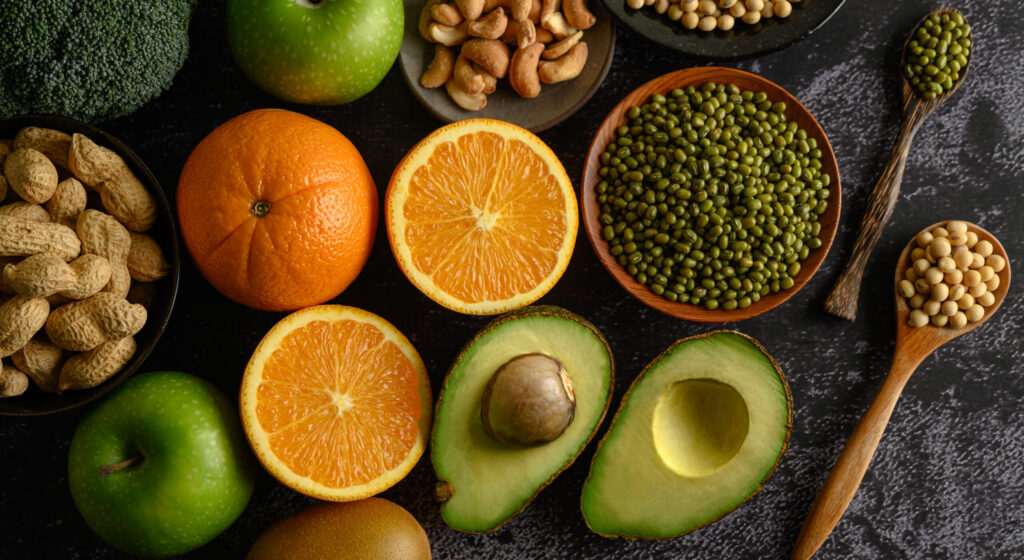
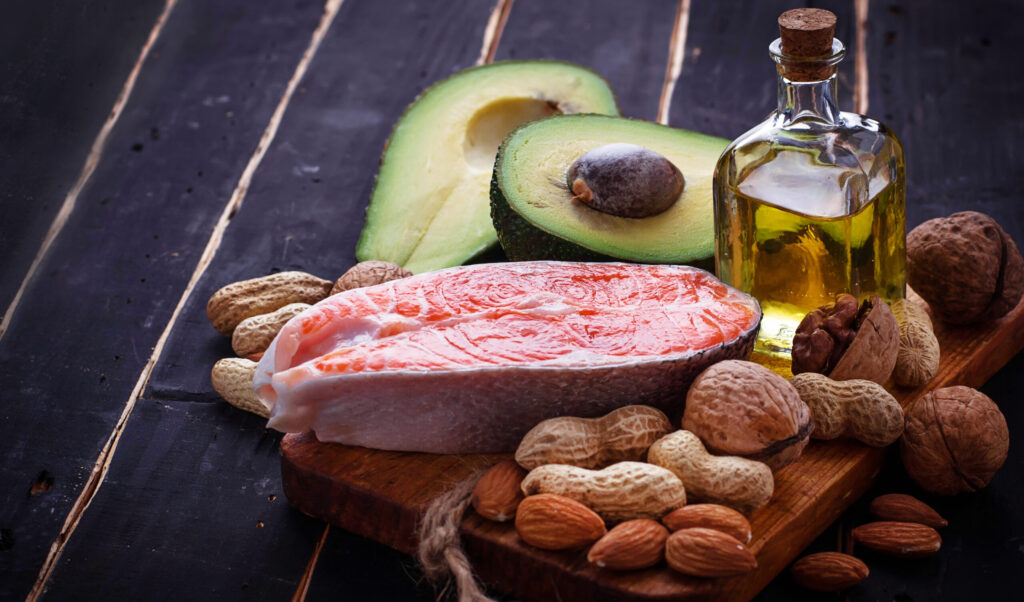
Unleash the power of MUFAs found in plant-based oils such as olive, canola, und peanut oils, each serving as versatile agents for heart-friendly meals. Nuts like almonds, cashews, and peanuts not only contribute rich flavors and textures to our snacks and dishes but also infuse them with this heart-healthy fat. Similarly, seeds and avocados offer a dense package of MUFAs along with additional vital nutrients, including vitamin E, an essential antioxidant for maintaining robust health.
Let’s not overlook the fact that when we turn to the Mediterranean diet, a blueprint for optimal health and longevity, we find MUFAs playing a starring role. This diet is an exemplary model of how consuming foods high in monounsaturated fats can lead to significant health gains and provide a pathway to a life filled with vitality and reduced disease risk. It is within this health-conscious context that monounsaturated fat truly shines—the embodiment of nutritious indulgence.
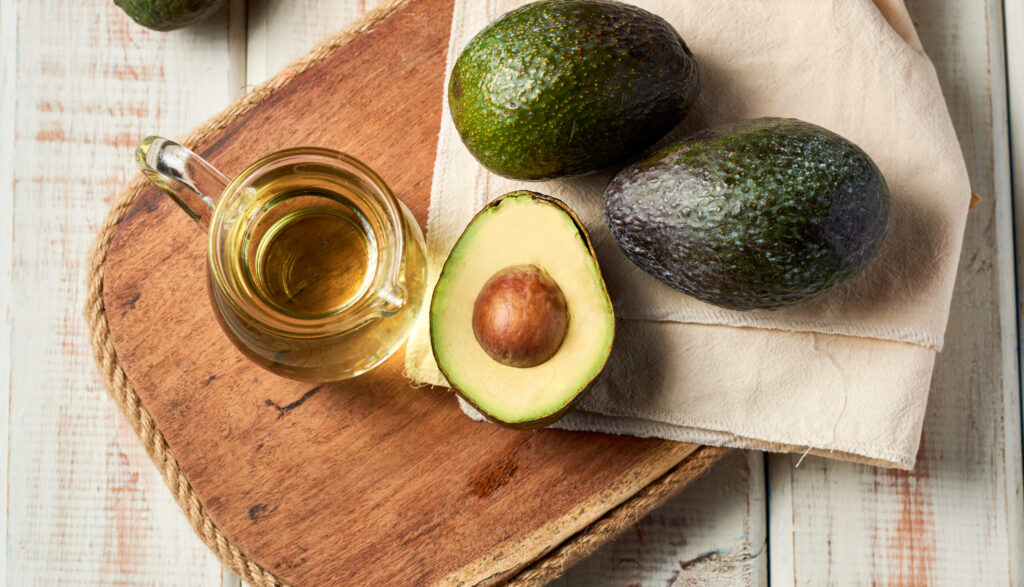
- Olive oil is the epitome of a MUFA-rich food, with each spoonful bringing a burst of flavor and a dose of monounsaturated fats to your dishes.
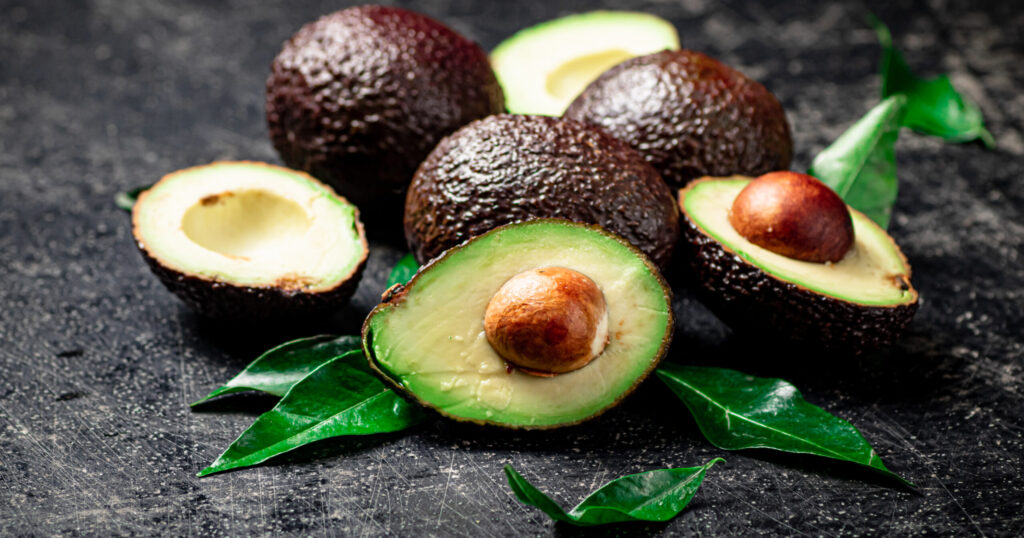
- Avocados, beyond their creamy texture and versatility, are a powerhouse of MUFAs, making them a staple in any diet centered on nutritional wellness.
- Nuts, including almonds and cashews, offer a satisfying crunch along with a beneficial boost of monounsaturated fats.
- Whole seeds like pumpkin and sesame can be easily incorporated into meals or enjoyed as snacks, offering a quick way to up your MUFA intake.
By choosing these satisfying and wholesome sources of mono unsaturated fatty acids, you not only enrich your diet with essential nutrients but also take an enjoyable step toward safeguarding your health. Whether used in cooking, as a dressing, or simply enjoyed raw, mono unsaturated fatty acids foods are a versatile and beneficial addition to any meal plan.
Mono Unsaturated Fatty Acids and Weight Loss
If you’re on the hunt for effective strategies for weight loss und weight control, you might want to turn your attention to the fats in your diet—specifically, mono unsaturated fats. Known for their presence in healthy foods such as olive oil and avocados, MUFAs are not only heart-healthy but may also play an important role in managing your waistline. Unlike other fats that are villainized in diet culture, mono unsaturated fatty acids stand out for their potential to aid in shedding unwanted pounds, making them an essential component of any weight control Plan.
Understanding Calories and Fat Consumption
All dietary fats, including mono unsaturated fats, pack a punch with 9 calories per gram—substantially more than carbohydrates and proteins. However, it’s the type of fat you eat that can make a difference in your weight loss journey. While fats are calorie-dense, they are essential to your health, and MUFAs are a preferable option when it comes to both fat consumption and nutritional value.
The Connection Between MUFAs and Weight Control
Research has revealed that diets rich in mono unsaturated fatty acids can be conducive to weight loss, particularly when they replace other fats or carbohydrates without increasing overall calorie intake. Aligning with a mono unsaturated fatty acids diet means you could potentially see the scale tip in your favor.
To illustrate the effect of MUFAs on body weight, consider this comparison:
| Diet Type | Weight Loss Potential | Caloric Intake Consideration |
|---|---|---|
| High-MUFA Diet | Comparable to Low-Fat Diet | Controlled; no additional calories |
| High-Carbohydrate Diet | Less Effective Than High-MUFA Diet | Controlled; must manage overall intake |
| MUFA-Rich vs. High-Saturated Fat Diet | More Effective When Replacing Saturated Fats | Replaces other fats without adding calories |
It’s clear that a diet integrating MUFAs can positively affect weight control when done correctly. By substituting gesättigte Fette with mono unsaturated fatty acids, not only can you potentially improve your cholesterol levels, but you could also achieve a desirable outcome on the scales.

Mono Unsaturated Fatty Acids and Heart Health
Turning the spotlight on mono unsaturated fatty acids and heart health, it’s evident that these nutritional gems are more than just a tasty addition to your meals. When you include MUFAs in your diet, you are taking proactive measures against Herzkrankheit by targeting the very factors that threaten cardiovascular vitality. Let’s unveil the heart-protective attributes of MUFAs and understand why they are pivotal in the quest for a healthier heart.
Cholesterol and Blood Pressure Benefits
Among the various benefits MUFAs have on your wellness, their ability to positively influence cholesterol levels and lower blood pressure is particularly noteworthy. Consumption of MUFAs has been directly associated with a reduction in harmful LDL cholesterol—aptly referenced as ‘bad cholesterol’—and an increase in beneficial HDL cholesterol, the ‘good cholesterol’. The outcome is a comprehensive shielding of your arteries against the accumulation of fatty plaques, a common precursor to heart conditions.
Moreover, in the context of Herzgesundheit, the blood pressure-lowering capabilities of MUFAs can be a boon. By facilitating a decrease in blood pressure, especially for those battling hypertension or related syndromes like type 2 diabetes and metabolic syndrome, MUFAs help ease the stress on your cardiovascular system, thereby fostering a healthier heart rhythm and function.
The Debate over Fats and Heart Disease
While the reputation of gesättigte Fette in Herzgesundheit continues to be a subject of debate, the consensus tilts in favor of MUFAs when it comes to nutritious fat choices. Evidence gleaned from research accentuates the role of MUFAs as heart-health enhancers. Unlike saturated fats, which remain mired in controversy due to their alleged links to cholesterol elevation, MUFAs emerge as the superior dietary fat for heart care.
Transitioning your diet to include a higher proportion of MUFAs in lieu of saturated or trans fats could lead to a transformative impact on your cardiovascular health. Imagine the heart as a vibrant engine of life; MUFAs are the quality oil that ensures its smooth and efficient operation.
As you continue to make informed dietary choices, keep in mind that the advantages of MUFAs extend far beyond palatable pleasures—they are elemental in knitting a shield around your heart, nurturing its steady and healthful rhythm.
Can Mono Unsaturated Fats Lower Your Cancer Risk?
Your journey to better health may very well pass through the kitchen, where the mono unsaturated fatty acids in your meals could be doing more than satisfying your palate. Indeed, the potential for cancer risk reduction is a topic of emerging interest within the health and wellness sphere, particularly where MUFAs are concerned. While the current scientific landscape shows varying results, glimpses into the potential protective effects against certain cancers are beginning to surface.
Let’s consider the studies focusing on the relationship between MUFAs and cancer. Specifically, oleic acid—a prevalent MUFA in olive oil—has been under scrutiny. Initial findings have suggested an intriguing association between high consumption of oleic acid and a decreased incidence of breast cancer, notably in Mediterranean regions known for olive oil-rich diets such as Spain. However, we must tread carefully, acknowledging that these findings are not definitive and require further investigation to untangle the nuances of MUFAs’ role in cancer risk reduction.
In the context of prostate cancer, the evidence remains a patchwork of mixed results—some research hints at protection, others neutrality, and a few point towards adverse effects. What we can extract from this tapestry of studies is not a clear verdict, but rather an invitation to explore deeper.
Below is a succinct overview of the existing evidence, demonstrating the complex and varied nature of MUFAs’ relationship with cancer risk:
| Cancer Type | Study Findings | Consensus |
|---|---|---|
| Breast Cancer | Oleic acid in olive oil associated with lower incidence in Spain | Potential Protective Effect |
| Prostate Cancer | Mixed outcomes; some suggest protection while others do not | No Definitive Evidence |
As research continues to unveil the intricacies of MUFAs and their health implications, it is essential to keep a nuanced view. Emphasize a balanced diet—one that includes the regular consumption of foods high in mono unsaturated fatty acids for their established health benefits, while staying attuned to future findings on the role they may play in cancer risk reduction.
Your dietary choices can have far-reaching implications for your well-being. By selecting foods rich in MUFAs, you are not only supporting your cardiovascular health but may also be engaging in an act of preventive care against potential health challenges such as cancer.
Mono Unsaturated Fatty Acids: A Boon for Blood Sugar Regulation
Embarking on a path toward healthier eating and effective blood sugar regulation may lead you straight to the beneficial world of mono unsaturated fatty acids (MUFAs). Discover the remarkable influence that MUFAs have on improving insulin sensitivity and managing blood sugar levels, particularly advantageous for individuals with type 2 diabetes or those at risk.
These naturally occurring fats, found in numerous nutrient-dense foods, are not only powerful allies in the control of metabolic conditions but may significantly steer your health towards a more stable and balanced state. Let’s examine closer how including mono unsaturated fatty acids in your diet is instrumental in managing your overall blood sugar and enhancing your body’s response to insulin.
The Impact on Insulin Sensitivity
When it comes to health, insulin sensitivity is a crucial factor, particularly in blood sugar regulation. Evidence suggests that MUFAs are effective in improving your body’s sensitivity to insulin, a key hormone responsible for transporting sugar from the bloodstream into cells where it’s used for energy. Through the regular intake of MUFAs, you could see a profound change in how your body processes sugar, ultimately keeping blood sugar levels within a normal range and improving your overall metabolic health.
Let’s break down the role of MUFAs in enhancing your body’s insulin response:
| Lebensmittelquelle | MUFA Content | Benefit for Insulin Sensitivity |
|---|---|---|
| Olive Oil | Hoch | Supports glucose metabolism |
| Avocados | Hoch | May improve insulin response |
| Mandeln | Mäßig | Assists in maintaining blood sugar levels |
Management of Blood Sugar and Type 2 Diabetes
As an integral part of a healthful eating plan, MUFAs also contribute substantially to the broader scope of management of blood sugar levels. This is particularly vital for individuals grappling with type 2 diabetes, or those endeavoring to prevent the onset of this increasingly common condition.
By influencing not only the insulin sensitivity but also the steadiness of your blood sugar profile, a diet rich in mono unsaturated fatty acids can act as a dietary cornerstone for preventing the spikes and valleys commonly associated with poor blood sugar control.

Here’s a closer look at how incorporating MUFAs into your meals can support blood sugar management:
| Dietary Change | Effect on Blood Sugar Management |
|---|---|
| Replacing saturated fats with MUFAs | May reduce insulin resistance |
| Including MUFA-rich snacks | Stabilizes blood sugar levels between meals |
| Adopting a high-MUFA diet | Enhances overall blood sugar profile |
So as you navigate your dietary choices, consider the powerful role that mono unsaturated fats can play in your health, especially pertaining to blood sugar regulation and the potential reduction of type 2 diabetes risks. A spoonful of olive oil on your salad or a handful of nuts for a snack are not just tasty but also meaningful steps toward a more balanced and resilient metabolic system.
The Anti-Inflammatory Properties of Mono Unsaturated Fats
Imagine a world where your food choices don’t just tantalize your taste buds but also serve as guardians of your health. This is precisely the role mono unsaturated fats (MUFAs) play, particularly when it comes to their anti-inflammatory properties. By delving into the essence of these fats, you unveil an ally in the battle against the slow-burning fire of chronic inflammation—a notable adversary in the development of various diseases.
In the quest for chronic disease prevention, integrating MUFAs into your diet might just be the strategic move your body needs. Scientific studies have illuminated the effects of MUFAs in diminishing inflammation—one of the underlying forces behind conditions like obesity and Herzkrankheit. By reducing inflammation, the risk of chronic diseases diminishes, painting a brighter picture for long-term health.
One of the most telling signs of inflammation, the C-reactive protein (CRP), has been notably lower in individuals whose diets are rich in MUFAs. This suggests a profound potential of these fats in taming the inflammatory response. Engage your curiosity by examining how MUFAs stand against the backdrop of other fats in relation to inflammation:
| Fat Type | Inflammatory Marker Response | Impact on Chronic Disease |
|---|---|---|
| High-MUFA Diet | Reduction in C-reactive protein (CRP) | Potential reduction in disease risk |
| High-Saturated Fat Diet | Increase in CRP and other markers | Potential increase in disease risk |
| Diet Rich in Trans Fats | Significant increase in inflammation | High risk of chronic disease development |
While the body’s natural inflammatory response is a vital part of healing, when it lingers without purpose, it can lay the groundwork for a myriad of health issues. Thankfully, the anti-inflammatory properties of MUFAs are not just transient guests in cellular activity; they take up a more permanent residence, showing promise in reshaping the overall inflammatory narrative.
Adopting a diet high in MUFAs acts as more than just a dietary overhaul; it’s a lifestyle choice echoing with the potential to tilt the scales toward enhanced well-being. As you review your dietary options, consider the wealth of benefits presented by MUFAs—including their crucial role in chronic disease prevention—and embrace the transformative impact they can have on your health. Bearing witness to such profound changes can be a source of inspiration to steadfastly walk the path of a nutritionally sound, inflammation-conscious diet.
Rich Sources of Mono Unsaturated Fatty Acids
Discovering the best sources of mono unsaturated fats involves exploring both plant-based sources of mono unsaturated fatty acids und animal-based sources of mono unsaturated fats. These healthful fats play an essential role in a balanced diet, offering a versatile range of options for the heart-conscious and health-oriented eater.

Plant-Based Foods High in MUFAs
The plant kingdom offers a bounty of mono unsaturated fatty acids foods that can enrich your diet with both flavor and nutrition. Here are some of the most commendable plant-based picks:
- Pure Olive Oil
-
- : With 73.1 grams of MUFAs per 100 grams, it’s not only a rich source of healthy fats but also a repository of antioxidant properties.
- Mandeln
-
- : Enjoy these as a snack or garnish to reap their MUFA benefits, alongside fiber and vitamin E.
- Cashews
-
- : A delightful addition to any meal or as a standalone treat, cashews offer a good amount of MUFAs.
- Peanuts
-
- : Versatile peanuts are an excellent source of MUFAs and can be enjoyed in many forms, be it whole, as butter, or in oil.
- Avocados
: These creamy delights are not only versatile but packed with MUFAs and other vitamins and minerals.
Opting for these plant-based foods, which are some of the best sources of mono unsaturated fats, can boost your MUFA intake while adding culinary diversity to your meals.
Animal-Based Foods and MUFAs
Although plant-based MUFAs are often spotlighted for their health benefits, animal-based foods also provide these fats:
- Eggs
-
- : Packed with proteins and vital nutrients, eggs contain approximately 4 grams of MUFAs per 100 grams.
- Schweinefleisch
: When enjoyed in moderation, pork can contribute 10.7 grams of MUFAs per 100 grams to your diet.
Consuming a balanced array of mono unsaturated fatty acids foods helps ensure a diet that’s not only rich in MUFAs but also supports overall health and well-being.
The Science Behind Fats: Saturated, Unsaturated, and Trans Fats
The topic of dietary fats is rich and multifaceted, with different types of fats playing varied roles in Herzgesundheit and disease. The conversation often revolves around distinguishing gesättigte Fette, ungesättigte Fette, und trans fats due to their divergent effects on the body. Knowing how these fats interact with your health is fundamental for making informed dietary choices that align with cardiovascular wellness.
Ungesättigte Fette, which include monounsaturated und polyunsaturated fats, are considered beneficial for your heart, playing a crucial role in reducing bad cholesterol levels and providing essential nutrients that aid in cellular health. On the other hand, gesättigte Fette und trans fats are frequently linked to an increased risk of Herzkrankheit, raising levels of harmful cholesterol and contributing to arterial blockage.
Guidelines point to limiting saturated fat intake to no more than 10% of your daily caloric consumption, focusing instead on obtaining most of your fats from unsaturated sources, such as MUFAs found in nuts, avocados, and olive oil. The balance and choice of these fats in your diet can wield significant influence on your susceptibility to heart-related conditions.
Let’s examine the key differences between these fats:
| Type of Fat | Beschreibung | Health Impact | Common Sources |
|---|---|---|---|
| Saturated Fats | Solid at room temperature, these fats have no double bonds in their molecular structure. | Can increase LDL cholesterol, posing a risk to heart health. | Butter, coconut oil, red meats, and dairy products. |
| Unsaturated Fats | Liquid at room temperature, these include both monounsaturated and polyunsaturated fats. | Help lower LDL cholesterol and are beneficial for heart health. | Olives, nuts, avocados, and fish. |
| Trans Fats | Artificially hydrogenated fats that are solid at room temperature. | Can increase LDL cholesterol and lower HDL cholesterol, contributing to Herzkrankheit. | Some margarines, baked goods, and fried foods. |
With Herzkrankheit being a leading cause of death, the importance of selecting the right kinds of fats cannot be overstated. The healthy choice is embracing ungesättigte Fette and reducing consumption of saturated fats and trans fats to keep your heart pumping strongly for years to come.
Your heart, much like any other organ in your body, thrives on the quality of nutrients you provide. Thus, a diet skewed heavily towards unhealthy fats like trans fats could spell trouble, while one that incorporates plenty of ungesättigte Fette could be akin to a beneficial guard against cardiovascular issues. Being vigilant about the fats you consume can serve as a cornerstone in the maintenance of good health and prevention of disease.
Incorporating Mono Unsaturated Fatty Acids into Your Everyday Meals
Transforming your diet to include more mono unsaturated fatty acids can be one of the tastiest and most beneficial decisions you make for your health. Swapping out saturated fats for MUFAs is simple, and cooking with these heart-healthy fats can heighten the enjoyment of your home-cooked meals. Below are practical tips on how to seamlessly infuse these beneficial fats into your diet without sacrificing flavor.
Healthy Food Swaps
Healthy food swaps are straightforward yet impactful changes you can make in your daily eating habits. Focus on substituting ingredients high in saturated fats with those richer in MUFAs to enhance not only the flavor profiles of your dishes but also their nutritional value. Here are some healthy food swaps you can start with:
- Choose a handful of almonds over a bag of potato chips for a nutritious snack.
- Spread ripe avocado on your whole grain toast instead of butter or mayonnaise.
- Include olives in your salad rather than cheese for a boost of MUFAs.
Cooking with MUFAs
When it comes to home cooking, the use of mono unsaturated fats can make the difference between a good meal and a great one, both in terms of taste and health benefits. Incorporating oils such as olive, avocado, and canola oil is not only easy but can add depth of flavor and an extra dimension to your cooking. Here’s how you can start cooking with MUFAs:
- Use olive oil for sautéing vegetables instead of butter; it can resist moderate heat while adding a rich taste.
- Drizzle avocado oil on your finished dishes for a dose of healthy fats and a smooth, buttery flavor.
- Prepare homemade salad dressings with canola oil as the base for a heart-healthy alternative to store-bought dressings.
By making these smart choices, you not only contribute to a mono unsaturated fats diet, but you also take a significant step towards a more robust and healthful lifestyle.
Embracing the Heart-Healthy Benefits of Mono Unsaturated Fatty Acids
In the pursuit of optimal well-being, you may find yourself exploring the myriad mono unsaturated fatty acids benefits as part of a comprehensive approach to maintaining Herzgesundheit. The power of MUFAs in your Diät is undeniable, shaping not only the structure of your meals but also the long-term impact on your health. Integrating foods rich in these healthful fats can be a delicious cornerstone in your dietary endeavors, providing support for weight loss, blood sugar regulation, and reduced inflammation.
As you reflect on this exploration of MUFAs, consider the multifaceted roles these fats play in fortifying your cardiovascular system, nurturing your metabolic health, and curbing inflammatory processes that can underlie many chronic diseases. The centrality of MUFAs in a heart-healthy diet cannot be overstated, as they emerge as a vital ally in your quest for longevity and vitality. By making intentional choices to include more mono unsaturated fatty acids from sources such as olive oil, avocados, and nuts, you impart your body with nature’s own protective agents, woven into the fabric of a healthful culinary lifestyle.
Ultimately, the inclusion of MUFAs as a significant component of your daily intake is more than a dietary tweak; it represents a paradigm shift towards harmonizing with the principles of wellness that govern a life rich in health and devoid of preventable ailments. So as you navigate your dietary choices, take to heart the sustaining power of MUFAs and allow their benefits to unfurl as part of your balanced and mindful eating plan, ensuring your journey towards health is as enjoyable as it is fruitful.