
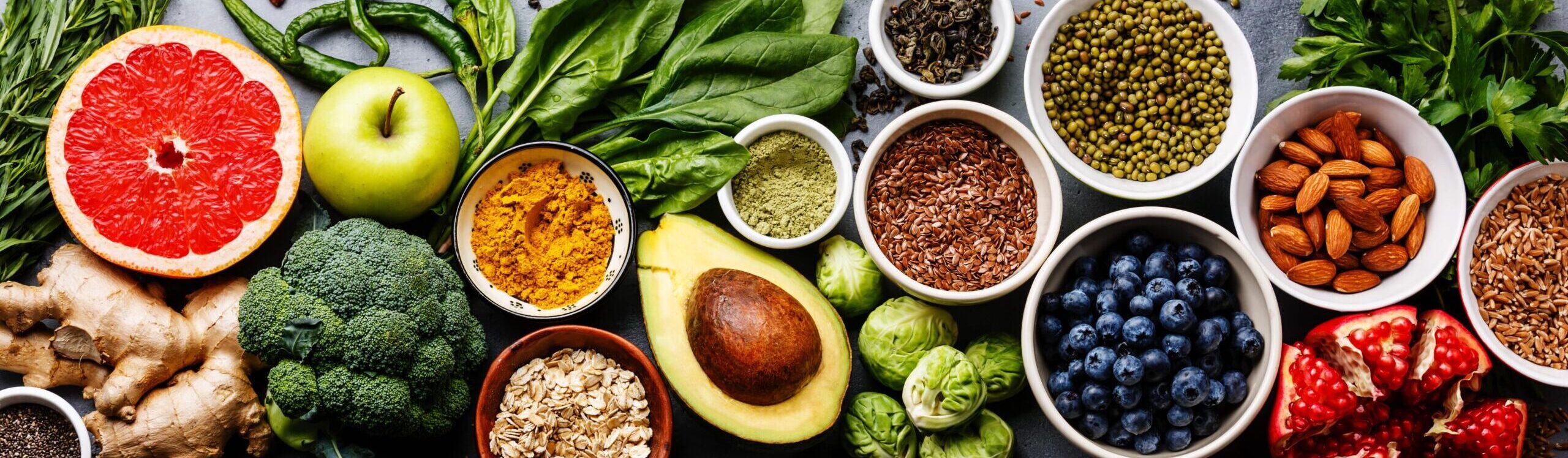

Introduction to Phytonutrients
Phytonutrients, also known as phytochemicals, are natural compounds found in plant foods that contribute to their color, flavor, and smell. These compounds have gained much attention in the health world due to their potential protective role against various diseases and health conditions. While they are not considered essential nutrients like vitamins and minerals, they can offer substantial health benefits and are an integral part of a balanced diet.
Food Sources of Phytonutrients
Phytonutrients are abundant in a variety of plant-based foods. These include:
- Fruits and vegetables, such as berries, citrus fruits, leafy greens, and cruciferous vegetables like broccoli and cauliflower.
- Whole grains, such as oats, brown rice, and quinoa.
- Legumes, such as beans, lentils, and chickpeas.
- Nuts and seeds.
- Herbs and spices, such as turmeric, ginger, and garlic.
- Tea, coffee, and red wine.
There are thousands of known phytonutrients, and they can be classified into several categories, including carotenoids, flavonoids, lignans, and phenolic acids, each offering different health benefits.
Functions and Benefits of Phytonutrients
Phytonutrients have a range of functions and health benefits. These include:
- Antioxidant Activity: Many phytonutrients, such as flavonoids and carotenoids, have antioxidant properties, which means they help protect cells from oxidative damage caused by free radicals.
- Anti-Inflammatory Effects: Phytonutrients like curcumin (found in turmeric) and resveratrol (found in grapes) have demonstrated anti-inflammatory effects.
- Cardiovascular Health: Some phytonutrients, such as flavonoids in tea and chocolate, have been linked with improved cardiovascular health.
- Cancer Prevention: Some studies suggest that phytonutrients like sulforaphane (found in broccoli) may help protect against certain types of cancer.
- Brain Health: Certain phytonutrients, like anthocyanins in berries, may boost brain health and cognitive function.
Potential Deficiency Symptoms of Phytonutrients
Unlike vitamins and minerals, phytonutrients are not essential for life or the proper functioning of the body, so there aren’t established deficiency symptoms. However, a diet lacking in phytonutrients may miss out on their potential health benefits and could potentially contribute to the development of chronic diseases over time.
Potential Excess Symptoms of Phytonutrients
Since phytonutrients are found in plant foods, it is unlikely to consume them in excessive amounts from the diet alone. However, overconsumption of phytonutrient supplements could potentially lead to side effects, depending on the specific phytonutrient in question.
Recommended Intake of Phytonutrients
As phytonutrients are not considered essential nutrients, there is no established recommended daily intake for them. However, health professionals typically recommend consuming a varied diet rich in colorful fruits, vegetables, whole grains, legumes, nuts, and seeds to ensure a broad intake of various phytonutrients.
Absorption and Interactions of Phytonutrients
The absorption of phytonutrients can depend on several factors, including the food’s preparation and the presence of other dietary factors. For example, the absorption of carotenoids is enhanced when consumed with fat.
Potential Diseases or Conditions Related to Phytonutrient Intake
Research suggests that a higher intake of phytonutrients is associated with a lower risk of several chronic diseases, including heart disease, diabetes, and certain cancers.
Special Considerations for Phytonutrients
Individuals following restrictive diets, such as those limiting the intake of fruits and vegetables, may have lower intakes of phytonutrients.
Additional Facts about Phytonutrients
- Phytonutrients are responsible for the bright colors of fruits and vegetables. For example, lycopene gives tomatoes their red color, while beta-carotene gives carrots their orange color.
- The health benefits of phytonutrients are believed to come from both individual compounds and the synergistic effects of consuming a variety of phytonutrients together.
- Cooking methods can impact the phytonutrient content of foods. For example, cooking tomatoes can increase the availability of lycopene, while overcooking can reduce the content of certain phytonutrients in other vegetables.
- The ‘5 a day’ recommendation for fruit and vegetable consumption is partly based on providing a range of phytonutrients in the diet.
Quelle Links
- Harvard T.H. Chan School of Public Health – The Nutrition Source: Phytochemicals
- National Institutes of Health (NIH) – Phytochemicals and Cancer Prevention
- Academy of Nutrition and Dietetics – Phytonutrients
- Cleveland Clinic – What Are Phytonutrients and What Do They Do?