
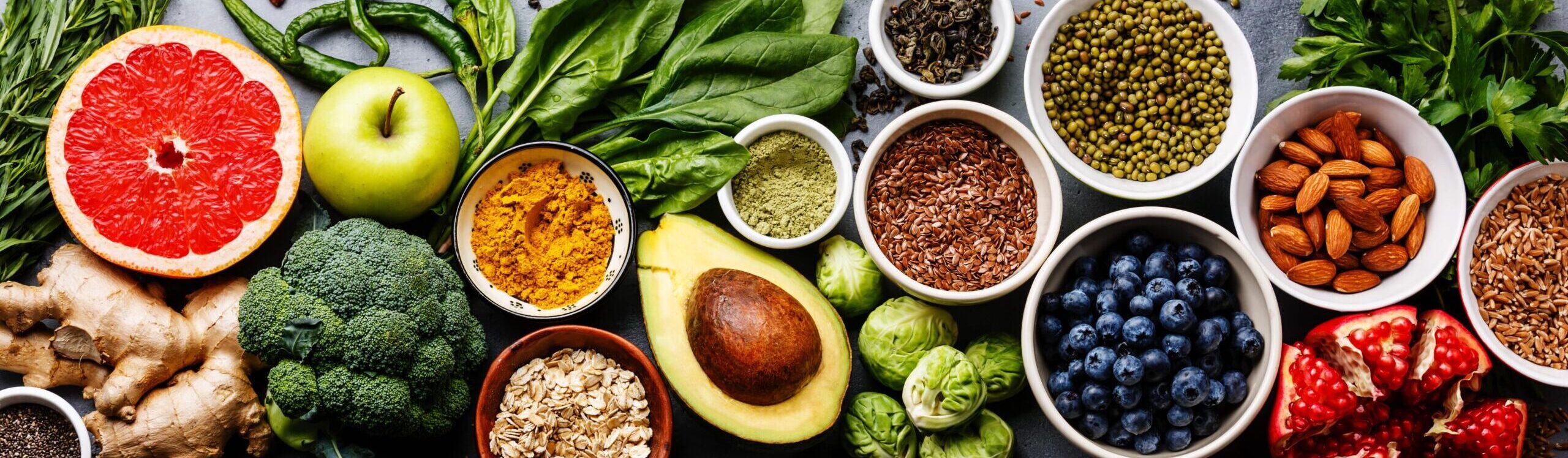
When you’re perusing the grocery aisles or preparing your next meal, understanding the role of saturated fat could be crucial for your health. These fats, solid at room temperature, are found lurking in many favorite foods from animal sources like beef and full-fat dairy, to tropical oils such as coconut and palm. The health effects of consuming excessive amounts of saturated fat are well-documented, with links to increased LDL-Cholesterin and a heightened risk of Herzkrankheit und Schlaganfall.
As part of an overall Ernährung strategy, the dietary guidelines set forth by the American Heart Association (AHA) recommend keeping gesättigte Fette to 5% to 6% of your total daily caloric intake. That’s about 13 grams on a 2,000 calorie Diät. But don’t fret! This guide will equip you with practical diet tips to navigate the complexities of fat and help you cultivate a heart-healthy lifestyle.
Wichtigste Erkenntnisse
- Recognize that foods high in saturated fat include animal products and tropical oils.
- Keep saturated fat intake within the AHA’s recommended 5% to 6% of daily calories.
- Incorporate whole grains, lean protein, and a variety of fruits and vegetables into your Diät.
- Opt for food choices that have a lower saturated fat content.
- Become adept at reading food labels to manage your saturated fat consumption effectively.
- Balance your Diät with healthier fats like monounsaturated and polyunsaturated fats.
- Understand the connection between saturated fat and Cholesterinspiegel for better heart health.
Understanding Saturated Fat and Its Sources
As you delve into the world of Ernährung, it is important to understand the types of dietary fat and their impact on health. Among these, saturated fat plays a significant role in influencing Cholesterinspiegel and overall well-being. Knowing where these fats are found and their characteristics can guide your food choices towards a heart-healthy diet.
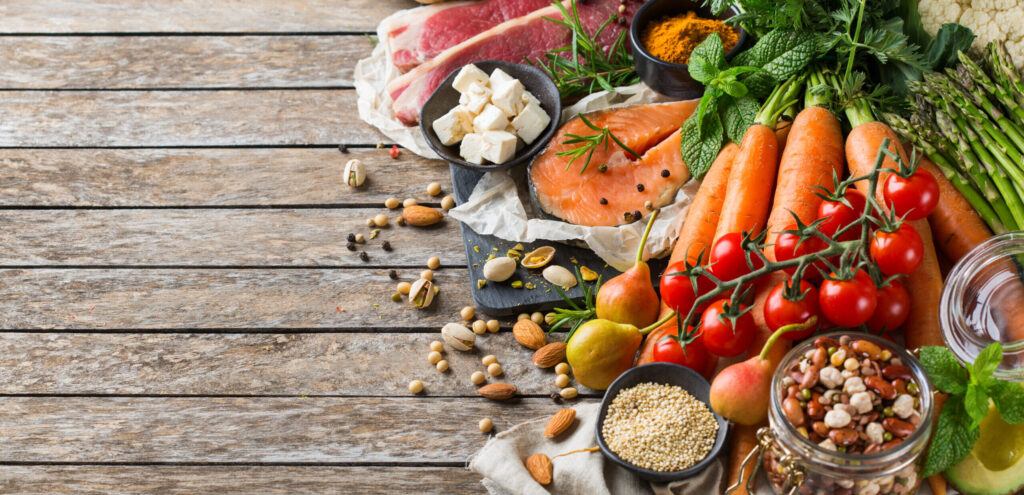
Definition of Saturated Fat
Gesättigte Fette are a category of Fett that are notably present as solid substances at room temperature. This is a result of their saturated molecular structure, with carbon atoms fully bonded to hydrogen atoms, containing no double bonds. As a key component of many diets, they are both celebrated and scrutinized for their Ernährung contributions and health effects.
Common Food Sources Rich in Saturated Fat
To make informed dietary decisions, it’s essential to recognize food sources high in gesättigte Fette. Here are some typical ones:
- Red meats like beef and lamb
- Processed meats such as sausages and bacon
- Poultry with skin, e.g., chicken thighs or wings
- Full-fat dairy products including butter, cheese, and cream
- Tropical oils like coconut and palm oil
This diverse array of sources provides a breadth of options for those wanting to manage their intake of saturated fats.
The Physical Characteristics of Saturated Fat
Gesättigte Fette can be identified by their texture and state at normal temperatures, which differ from other types of fats like monounsaturated or polyunsaturated fats, which remain liquid.
| Type of Fat | State at Room Temperature | Common Sources |
|---|---|---|
| Saturated Fat | Solid | Butter, cheese, red meat |
| Unsaturated Fat | Liquid | Olive oil, avocado, nuts |
Understanding these physical properties can help you spot saturated fats in various foods and make more informed choices to manage Cholesterinspiegel and overall Ernährung.
The Link Between Saturated Fat and Cholesterol Levels
As you strategize for better health, it’s crucial to understand the connection between saturated fat und Cholesterinspiegel. The influence of dietary fats on cholesterol is significant, as certain types can increase the levels of LDL-Cholesterin, or the “bad” cholesterol, putting you at a greater risk for Herzkrankheit and stroke. In your journey towards heart health, grasping the nuances of this link is essential.
Effects of Saturated Fat on LDL Cholesterol
One of the main concerns with saturated fat is its impact on LDL-Cholesterin. When you consume foods high in saturated fats, your LDL Cholesterinspiegel can rise, leading to a buildup of plaque in your arteries. This arterial plaque is particularly insidious because it creates blockages that can cause coronary artery disease and stroke, two of the leading causes of death globally.
Understanding the LDL-to-HDL Ratio
Maintaining a healthy balance between LDL and HDL-Cholesterin is paramount. HDL-Cholesterin is often termed the “good” cholesterol due to its role in shuttling cholesterol away from your arteries and back to the liver, where it can be processed and removed from your body. In essence, while LDL-Cholesterin promotes arterial blockage, HDL-Cholesterin helps to protect against it. That’s why it’s not just about lowering LDL, but also about elevating HDL levels to support cardiovascular health.
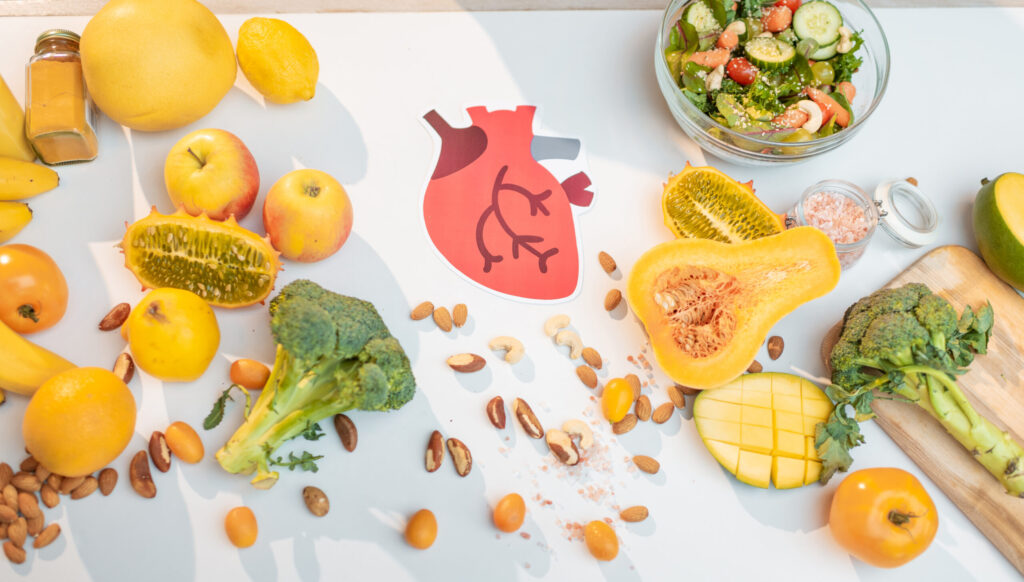
| Nährstoff | Effect on LDL Cholesterol | Effect on HDL Cholesterol | Risk of Heart Disease |
|---|---|---|---|
| Saturated Fat | Raises | Neutral/Varies | Increases |
| Trans Fat | Raises | Lowers | Increases Significantly |
| Monounsaturated Fat | Lowers/Neutral | Raise | Decreases |
| Polyunsaturated Fat | Lowers | Raise | Decreases |
With these facts in mind, it becomes clear why managing your saturated fat intake is not just about reducing your total cholesterol, but rather about following a nuanced approach that also considers your overall dietary pattern. After all, your mission is to hold the fort against Herzkrankheit by achieving an LDL-to-HDL-Cholesterin ratio that leans favourably towards heart health.
Navigating Dietary Guidelines for Saturated Fat Intake
Approaching a ausgewogene Ernährung can often feel like a complex puzzle, especially when it comes to monitoring your saturated fat intake. Adhering to dietary guidelines is crucial; they provide a roadmap for consuming an amount that supports good Ernährung and minimizes negative health effects. Consider this: dietary recommendations advocate for less than 10% of your daily calories to come from saturated fats. For someone following a standard 2,000-calorie diet, this translates to roughly 200 calories or about 22 grams of saturated fat daily.
Remember, balance is key in achieving a well-rounded Ernährung profile. It’s not just about reducing saturated fat, but also about enriching your diet with healthier fats. Monounsaturated and polyunsaturated fats, often found in fish, nuts, and vegetable oils that stay liquid at room temperature, are excellent additions to your meals. These fats contribute to a more heart-healthy eating pattern while keeping your diet both satisfying and flavorful.
| Fat Type | Suggested Daily Intake | Common Sources |
|---|---|---|
| Saturated Fat | No more than 10% | Red meat, butter, cheese |
| Monounsaturated Fat | 15-20% | Olive oil, avocados, nuts |
| Polyunsaturated Fat | 5-10% | Fish, flax seeds, walnuts |
Incorporate alternative sources of fats, such as avocados or almonds, into your diet. These not only improve the variety and taste but also come stacked with additional nutrients beneficial for your heart and overall wellbeing. An avoidance strategy towards saturated fats doesn’t mean a bland diet but rather an opportunity to explore the rich and diverse world of healthy fats.
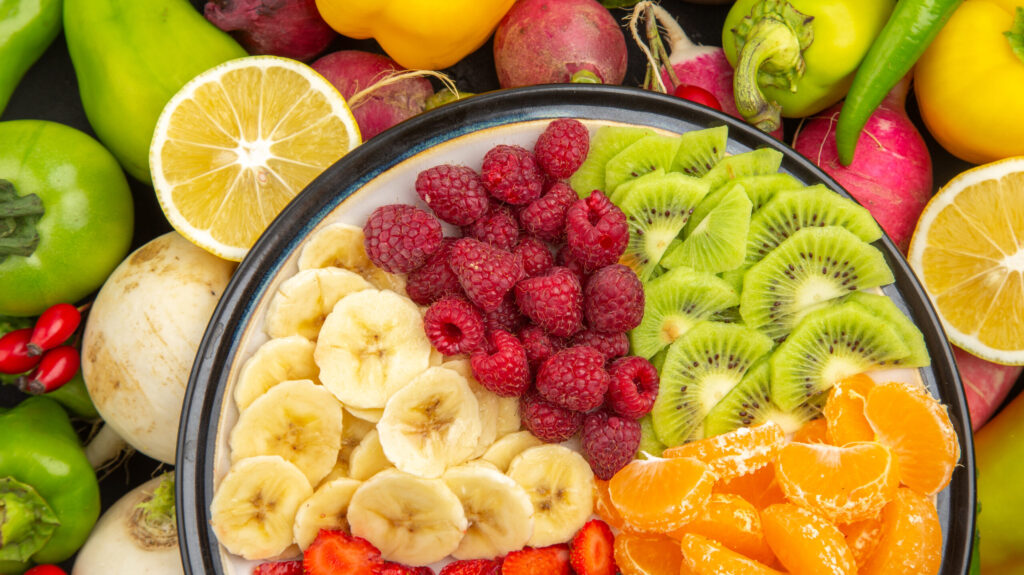
So next time you’re in the kitchen or navigating menus, think strategically about your saturated fat intake. Choose dishes that align with the dietary guidelines while also trying out new recipes that highlight the delicious side of a ausgewogene Ernährung. Ultimately, it’s the harmony of all dietary components that drives your journey towards optimal health.
Saturated Fats and Heart Disease: What’s the Connection?
With Herzkrankheit as a leading cause of mortality worldwide, the scrutiny of dietary components like gesättigte Fette is intensifying. These fats, prevalent in many diets, are linked with cardiovascular risks that are significant enough to capture the attention of major health organizations.

Impact of Saturated Fat on Cardiovascular Health
A diet high in gesättigte Fette affects cardiovascular health by increasing levels of LDL (low-density lipoprotein) cholesterol, colloquially known as “bad” cholesterol, and ApoB (apolipoprotein B). Elevated LDL-Cholesterin is associated with the buildup of plaque in the arteries, which can impede blood flow and increase the risk of Herzkrankheit and stroke. The encumbrant role of ApoB, as a main component of LDL, furthers this risk, marking a clear path from saturated fat consumption to potential cardiovascular distress.
American Heart Association’s Stance on Saturated Fat
Die American Heart Association (AHA) steadfastly recommends a diet low in gesättigte Fette to support cardiovascular health. They advocate for a dietary pattern that emphasizes the importance of healthy fats and fitting saturated fats within a limit of 5% to 6% of total daily calories. This guidance, grounded in decades of research, underpins their commitment to preventing Herzkrankheit and promoting longevity.
In place of saturated fats, the AHA suggests incorporating more fruits, vegetables, whole grains, lean meats, and healthy fats such as those from fish and plant-based sources. By making these swaps, individuals can create a dietary environment that is more conducive to a healthy heart and overall well-being.
- Monitor intake of foods high in saturated fat.
- Replace high-saturated fat items with options rich in monounsaturated and polyunsaturated fats.
- Pay close attention to nutritional labels to manage dietary choices.
Replacing Saturated Fat in Your Diet: Healthier Alternatives
Embarking on a journey to reduce saturated fat in your diet doesn’t just open the door to better cardiovascular health; it’s an invitation to explore an array of delicious and nutritious food options. By choosing healthier alternatives, you can significantly shift your Diät away from the risks associated with high saturated fat consumption towards a path lined with benefits for your heart and overall wellbeing. Let’s delve into how you can incorporate monounsaturated fats und polyunsaturated fats into your everyday meals.
Choosing Monounsaturated and Polyunsaturated Fats
Monounsaturated and polyunsaturated fats are celebrated heroes in the narrative of fats; they’re liquid at room temperature and come from sources that offer more than just taste—they offer health. These fats can positively alter your cholesterol profile by increasing good HDL cholesterol and decreasing bad LDL cholesterol. Here are some go-to sources:
- Olives and olive oil
- Avocados and avocado oil
- Nuts like almonds, pecans, and hazelnuts
- Seeds such as pumpkin seeds and sesame seeds
Integrating these sources into your Diät can be as simple as drizzling olive oil over your salad or snacking on a handful of almonds.
Practical Tips for Reducing Saturated Fat Consumption
You’ve decided to cut back on gesättigte Fette, but where do you start? Here’s a list of practical tips to help you reduce saturated fat and make room for healthier alternatives:
- Choose lean cuts of meat; trim any visible fat.
- Opt for skinless poultry or prepare it with skin but remove before eating.
- Shift from full-fat dairy to low-fat or non-fat options like milk, yogurt, and cheese.
- When cooking, replace butter and margarine with oils high in monounsaturated or polyunsaturated fats.
- Make fish a staple in your diet, aiming for two servings a week.
- Experiment with meatless meals using beans and legumes to diversify your protein sources.
Incorporating these healthier alternatives in place of saturated fats can be a delicious and fulfilling adventure. Not only will you diversify your palate, but you’ll also be empowering your heart health with every bite.
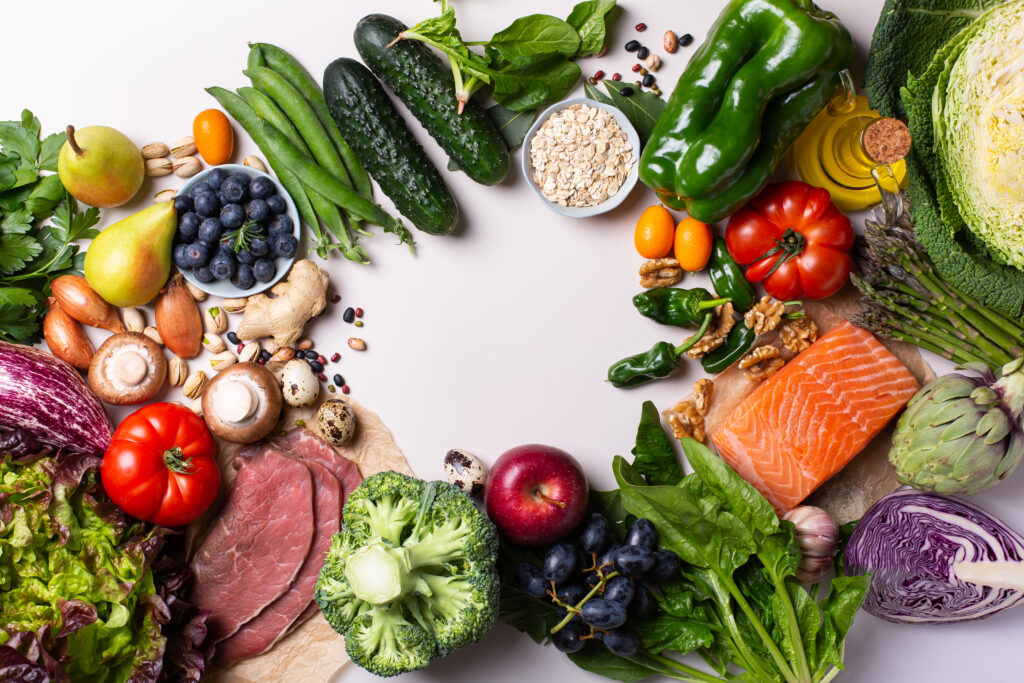
Embrace this change as a positive one, knowing that as you nudge out gesättigte Fette from your Diät, you’re making significant strides toward better health. A world of healthier alternatives awaits, brimming with flavorful monounsaturated and polyunsaturated fats that support your journey to wellness. It’s not just about subtraction; it’s about clever and tasty additions that make a world of difference.
Debunking Myths: The Controversial Science Behind Saturated Fats
The debate surrounding gesättigte Fette is as heated as ever. From the halls of academia to the pages of popular dietary books, you’ll find impassioned arguments on both sides. Are these fats the culprits behind heart disease, or are they misunderstood nutrients in a ausgewogene Ernährung? This section digs into the controversial science, untangles the nutrition research, and challenges the enduring dietary myths to reveal the complex story of saturated fats and their health effects.
Conflicting Research on Saturated Fats and Health
In the realm of Ernährung, few topics have sparked as much controversy as the consumption of saturated fats. A parade of studies has marched through the scientific literature, sometimes with conflicting conclusions. Some research, in line with the American Heart Association, suggests a need to minimize intake to fend off cardiovascular diseases. Yet, other studies find no significant connection between saturated fats and negative health outcomes, poking holes in decades-old dietary warnings. The nutrition research community is still reconciling these different findings.
Current Evidence and Ongoing Debates
Each new study on controversial science and saturated fats rekindles the debate, highlighting the complexity of human health and diet’s role within it. Heart disease, one of the world’s leading killers, doesn’t seem to have a straightforward relationship with saturated fats as past dietary myths suggested. In fact, some scientists now point the finger at high intake of processed foods and refined carbohydrates as more consequential culprits. Amidst this controversy, there is a broad consensus that we need more rigorous, well-designed studies to fully understand the health effects of saturated fats and to guide public health policy.

To frame the ongoing debates about saturated fats in a more relatable context, consider the table below which compares recommended dietary guidelines with common food items high in saturated fats. It provides an at-a-glance assessment of how easy it is to exceed these guidelines in everyday eating scenarios — illuminating why adherence to dietary advice requires conscious effort and informed choices.
| Lebensmittelart | Serving Size | Saturated Fat Content | % Daily Value |
|---|---|---|---|
| Butter | 1 tbsp | 7.3g | 37% |
| Cheeseburger | 1 sandwich | 10g | 50% |
| Ice Cream | 1/2 cup | 4.5g | 23% |
| Coconut Oil | 1 tbsp | 11g | 17% |
| Pork Ribs | 3 ounces | 9g | 47% |
With this knowledge, you’re better equipped to critique the narrative that vilifies saturated fats without considering the intricate tapestry of dietary intake and overall health. It’s not just about eliminating saturated fats; it’s about understanding how they fit within the broader context of a nutritious and ausgewogene Ernährung.
Identifying and Choosing Healthy Fats Over Saturated Fat
As you work to optimize your diet, making the distinction between unhealthy gesättigte Fette and heart-promoting healthy fats is a crucial step. In your pursuit of wellness, consider the types of fats you consume and their effects on your health. Shifting your focus toward ungesättigte Fette can help you maintain a balanced, nutrient-rich diet conducive to good heart health. Let’s explore the key differences between these fats and identify foods that are rich in beneficial fats to enhance your Ernährung.
Difference Between Good and Bad Fats
The debate over ‘good’ and ‘bad’ fats often circles back to their molecular makeup and how they impact your physical health. Saturated fats, commonly found in foods like butter and red meat, are typically solid at room temperature. While your body needs some amount of these fats, overindulgence can raise Cholesterinspiegel and contribute to heart disease. In contrast, ungesättigte Fette—both monounsaturated and polyunsaturated—are considered ‘good’ fats. These are liquid at room temperature and can actually help improve your cholesterol profile and reduce the risk of heart disease. Embracing foods with these healthier fats is a proactive step towards better heart health and overall wellness.
Foods High in Healthy Fats to Incorporate into Your Diet
When planning your meals, seeking out foods high in ungesättigte Fette can make a significant difference. Here’s a list of some nutritious foods rich in monounsaturated and polyunsaturated fats that you can incorporate into your Diät:
- Oily fish like salmon, mackerel, and sardines
- Nuts, including almonds, walnuts, and pistachios
- Seeds such as flaxseeds, chia seeds, and hemp seeds
- Avocados, packed with monounsaturated fats and nutrients
- Plant-based oils like olive oil, canola oil, and sunflower oil
Including these healthy fats in your diet not only contributes to a more diverse and enjoyable eating experience but also provides essential fatty acids and vitamins crucial for maintaining good health.
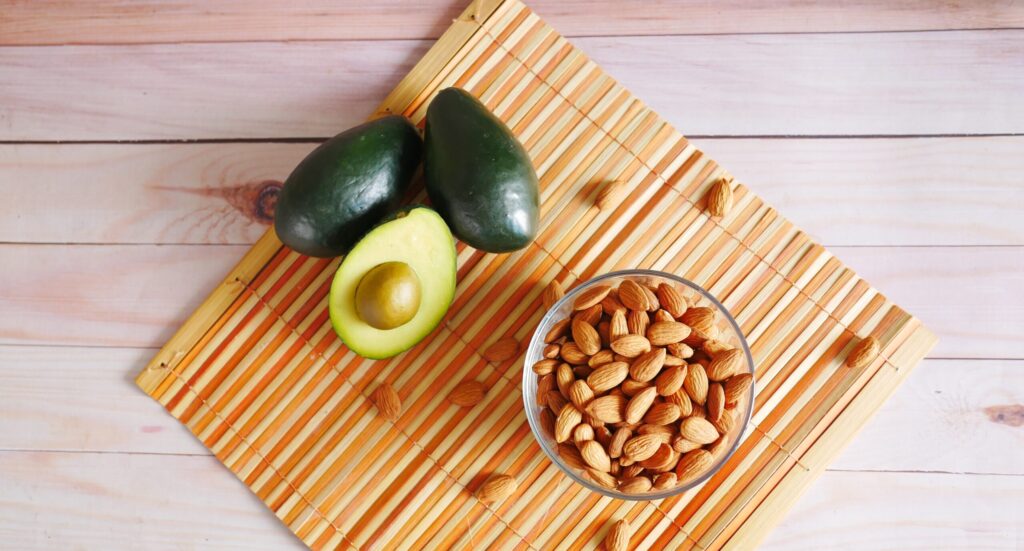
Armed with this knowledge, you can make more informed decisions at the grocery store and in the kitchen, transitioning away from excessive saturated fat and towards a diet rich in healthy fats. This not only supports your cardiovascular health but is also a key aspect of holistic Ernährung. So next time you’re planning a meal or a snack, reach for the heart-healthy options that align with your wellness goals.
The Role of Saturated Fat in Healthy Weight Management
When considering the nuances of Gewichtsmanagement, the type of dietary fat consumed is a variable not to be underestimated. While saturated fat is a crucial player in the dialogue around healthy diets, its role in body weight regulation is a subject of significant importance. As we explore how fats affect your caloric intake and body composition, it’s essential to discern how saturated fats, in particular, might impact your health and Gewichtsmanagement goals.
Caloric Content of Fats and Its Impact on Weight
Recognizing that fats have a higher caloric content per gram compared to carbohydrates and proteins is pivotal to understanding Gewichtsmanagement. Indeed, all fats provide 9 calories per gram, which is more than double the calories found in the other macronutrients. Foods rich in saturated fat are often high in calories, making moderation key to preventing unintended weight gain. Mindful eating and informed dietary choices can aid in maintaining a healthy weight, contributing to an overall balance of calorie intake and expenditure.
How Saturated Fat Intake Can Influence Body Composition
A closer look at body composition reveals that not all fat is stored equally in the body. Research indicates that intake of saturated fat can lead to an increase in visceral fat— the type of fat stored around the stomach area, associated with a number of health complications. Conversely, incorporating ungesättigte Fette into your diet can promote weight loss and improve body composition. These healthier fats tend to be deposited differently in the body and are linked with beneficial effects on metabolic health. Striking a balance with a healthy diet that includes a variety of ungesättigte Fette could be the key to achieving and maintaining a favorable body composition.
In summary, navigating your saturated fat intake should be an integral part of your weight management strategy. Adjusting your diet to encompass fats that align better with your health goals can play a substantial role in cultivating a healthier, more vibrant lifestyle.