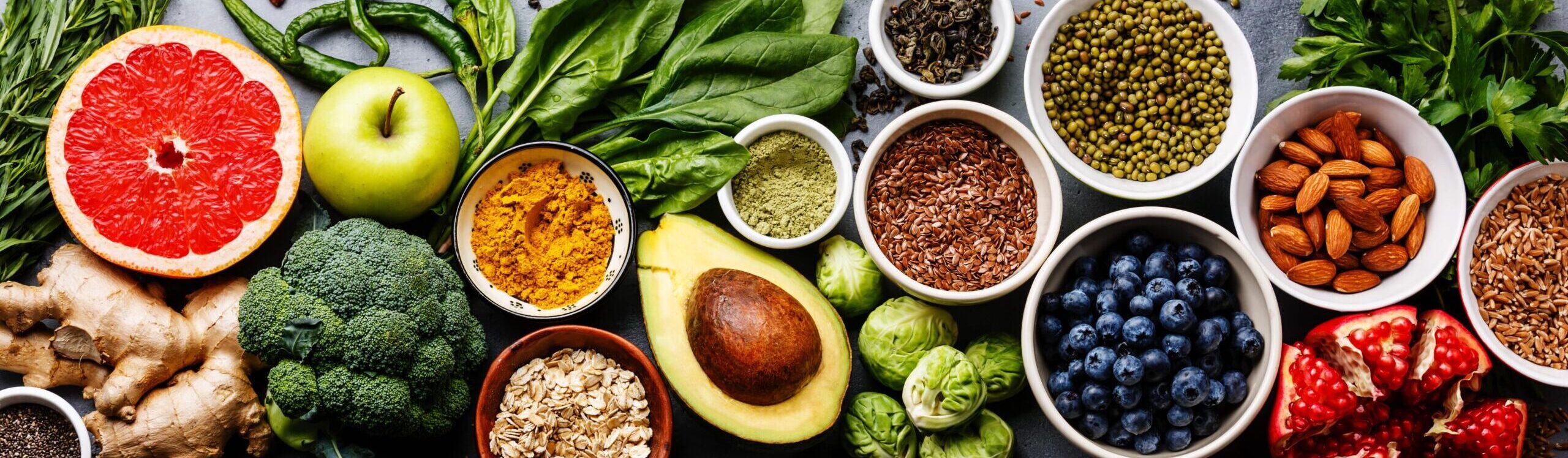
If you’ve been spinning in bed wrestling with sleep, the solution might be simpler than you think. Tryptophan, a transformative amino acid, is not just for the Thanksgiving dinner aftermath; it carries a spectrum of tryptophan benefits designed to enhance sleep quality and lift your overall health. Whether you’re seeking better sleep, improved mood, or general well-being, understanding the role of tryptophan sleep dynamics could be the key that unlocks restorative slumber.
Wichtigste Erkenntnisse
- Tryptophan plays a vital role in the production of serotonin, which can improve mood and facilitate better sleep.
- It’s an essential amino acid obtained from diet, directly influencing sleep quality and emotional health.
- Including tryptophan-rich food sources in your diet can enhance your body’s natural sleep mechanisms.
- Supplementation might be an alternative for those unable to meet tryptophan needs through diet alone.
- Understanding and utilizing tryptophan can be an effective natural strategy for improved sleep and well-being.
- Consulting a healthcare provider is advisable when considering tryptophan supplements to avoid potential side effects.
Introduction to Tryptophan
Embarking on a journey to uncover the mysteries surrounding tryptophan, you might wonder, “What is tryptophan?” Beyond its notoriety for inducing post-turkey drowsiness, tryptophan holds a pivotal place in our well-being. This essential amino acid serves as an indelible link in the chain of Proteinsynthese, acting as a substrate for an array of critical compounds, influencing mood, sleep, and overall health.
What is Tryptophan?
Tryptophan, or L-tryptophan, is classified as an essential amino acid, a compound vital to human health yet something our bodies are incapable of producing internally. The only access to this nutrient is through tryptophan in diet, hinging on the foods we eat to sustain its crucial functions. Its reputation extends beyond nutrition into the sphere of tryptophan uses which involve the synthesis of key hormones and neurotransmitters.
The Essential Nature of Tryptophan in Diet
To comprehend the essentiality of tryptophan, visualize it as a piece of an intricate puzzle, where the assembly of proteins, omnipresent throughout your body, creates a panoramic view of your health. The lack of dietary tryptophan could fragment this picture, disrupting not only the protein network but also the production of serotonin, a neurotransmitter governing your emotions, and appetite, as well as niacin or vitamin B3, a nutrient critical for your body’s metabolism.
Tryptophan’s Influence on Protein Synthesis
Imagine your body as a bustling metropolis, where Proteinsynthese is at the heart of the city’s infrastructure. Tryptophan, the essential amino acid, helps to lay down the very streets and buildings—proteins—that keep the city alive. Each protein created fuels the city’s operations, from the pumping of the heart to the firing of neurotransmitters that regulate your mood and sleep cycles. In essence, without tryptophan, the city’s rhythm falters, highlighting its profound impact on your daily health and vitality.
The Serotonin-Tryptophan Connection and Your Well-being
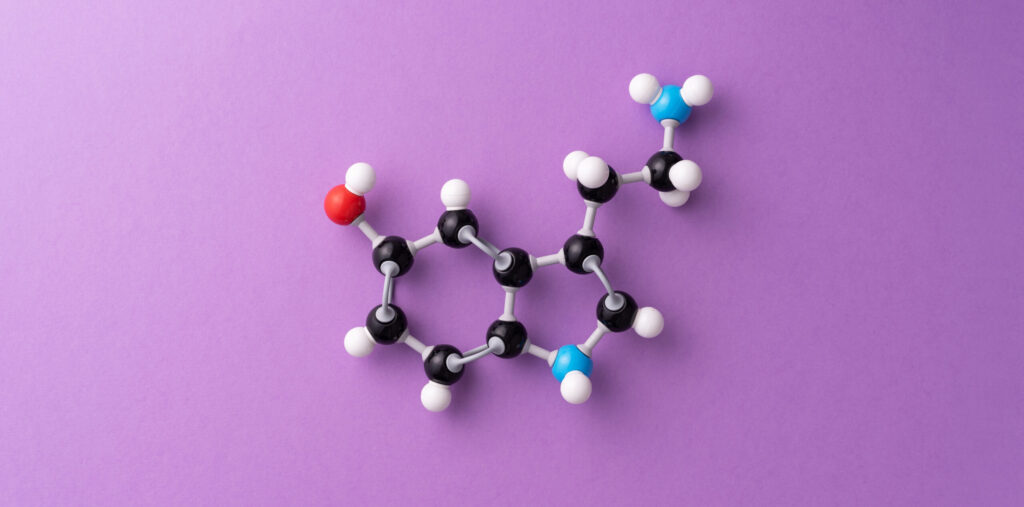
Your quest for well-being may lead you to explore various nutrients, but the tryptophan serotonin connection is particularly influential in the pursuit of mental harmony and emotional balance. As you endeavor to understand this crucial relationship, it’s important to recognize how tryptophan benefits extend to mood regulation, fostering an environment where well-being can flourish.
Serotonin production, a direct result of tryptophan metabolism, is tantamount to maintaining a positive mood and balanced emotional state. If you’ve been grappling with the blues or sleepless nights, it’s worth examining your intake of tryptophan, as it might just be the missing piece for your body’s natural mood enhancer.
Let’s dive into the biology behind it. Tryptophan is an indispensable amino acid that serves as a precursor to serotonin. This means that adequate levels of tryptophan are critical to ensure sufficient serotonin production. Below is a table that outlines how tryptophan is converted into serotonin and the impact this process has on your well-being.
| Prozess | Function | Outcome on Well-being |
|---|---|---|
| Tryptophan Intake | Obtained from diet | Provides the necessary component for serotonin synthesis |
| Conversion into Serotonin | Occurs in the brain and digestive tract | Enhances mood and contributes to a feeling of happiness |
| Regulation of Sleep and Appetite | Controlled by serotonin levels | Contributes to improved sleep quality and balanced food intake |
| Impact on Mental Health | Stabilizes emotions | Potentially reduces the symptoms of depression and anxiety |
As depicted in the table, mood regulation isn’t the only domain positively impacted by tryptophan and serotonin; they play a significant role in sleep protocols and appetite controls as well. It’s this multifunctional nature of the tryptophan serotonin connection that highlights its indispensable role in not just combating mood disorders but also in nurturing overall well-being.
Instinctively, you may wonder how you can naturally optimize this connection. Incorporating tryptophan-rich foods into your diet is a simple, efficacious step. This proactive approach empowers your body to elevate serotonin levels, encouraging a natural and holistic path to mental wellness and restful sleep.
Remember, understanding your body’s needs and how nutrients like tryptophan can meet them is an empowering step toward achieving well-being. So, as you elevate your tryptophan intake, take pride in knowing that you’re fostering an internal environment conducive to personal joy and tranquility.
Natural Tryptophan Sources for a Balanced Diet
As you navigate the world of nutritional well-being, the importance of incorporating tryptophan-rich foods into a balanced diet cannot be overstated. Not only do these foods contribute to your overall mental and physical health, but they also stand as one of the key dietary sources of tryptophan. Let’s acquaint ourselves with these potent ingredients that can transform your meals into vessels of health and relaxation.
 0
0
Tryptophan-Rich Foods You Should Know
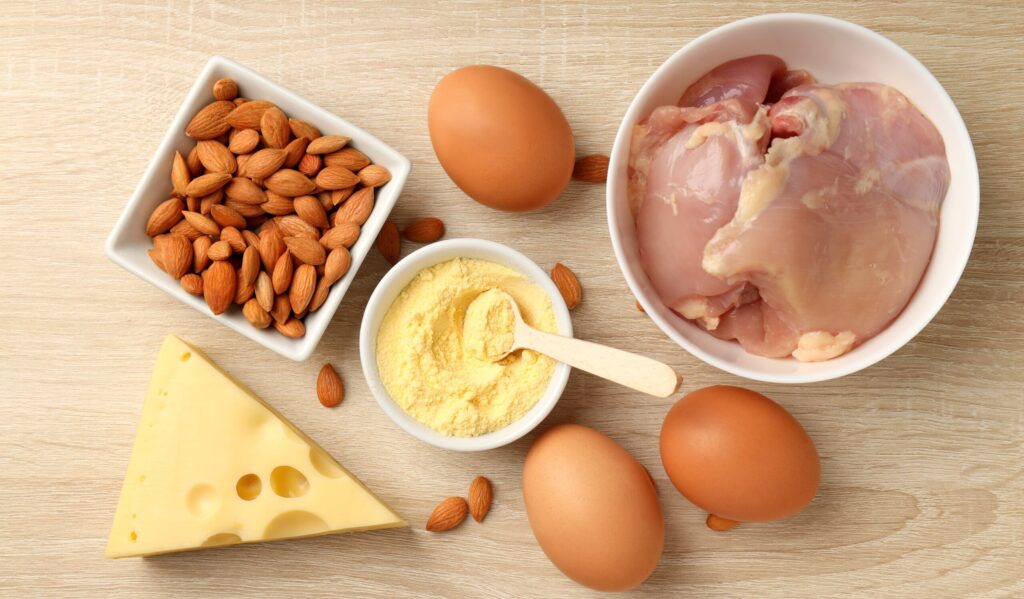
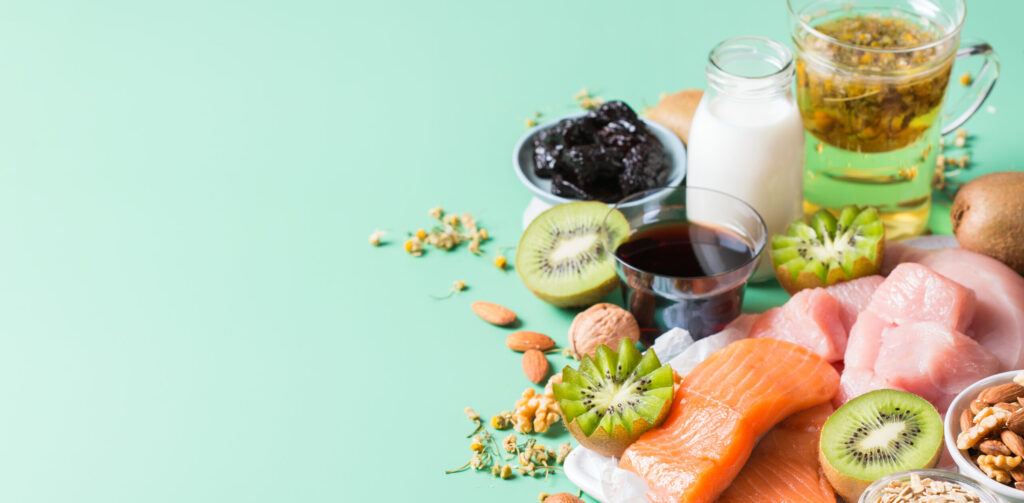
Focusing on tryptophan foods is a wise move for anyone looking to optimize their dietary intake for better health outcomes. You’ll be pleased to know that there are various common foods that are excellent sources of tryptophan. Here’s a list that highlights some of the most accessible options:
- Turkey
- Chicken
- Eggs
- Cheese
- Nuts
- Seeds
These dietary staples not only pack a punch in terms of tryptophan content but also add invaluable variety and flavor to your daily meals.
How to Incorporate Tryptophan Into Your Meals
Incorporating tryptophan-rich foods into your diet need not be a chore. In fact, adding these ingredients to your meals can be done with simplicity and creativity. Here’s how you can enhance your culinary repertoire with these beneficial foods:
| Food Item | Meal Ideas | Tryptophan Content |
|---|---|---|
| Turkey | Roast turkey sandwiches, turkey salad | High |
| Chicken | Grilled chicken breast, chicken stir-fry | High |
| Eggs | Omelets, scrambled eggs, egg salad | Moderate |
| Cheese | Mac and cheese, cheese-topped salads | Varies |
| Nuts | Mixed nuts snack, almond butter on toast | Moderate to High |
| Seeds | Pumpkin seeds snack, sunflower seeds in yogurt | Moderate to High |
*Tryptophan content can vary based on the portion size and specific type of food. Always consider the whole nutritional profile of the foods you consume.
Your journey towards a balanced diet and optimized sleep patterns can start with these small but significant changes in dietary choices. By prioritizing meals that include tryptophan-rich foods, you’re setting the stage for better sleep, mood regulation, and an overall enhanced quality of life. So the next time you plan your grocery list, remember these tryptophan foods
The Role of Tryptophan in Mood Regulation
As you delve into the realm of mental health, you may discover that certain dietary components play a pivotal role in maintaining your emotional equilibrium. Among these, tryptophan uses emerge as a significant force in mood regulation. This essential amino acid, beyond its role in Proteinsynthese, is instrumental in enhancing serotonin levels, heralding a new perspective in natural remedies for mood disorders.
When discussing nutritional intervention for mental well-being, tryptophan is noteworthy due to its potential influence on mitigating symptoms of depression and anxiety. It’s a harbinger of hope for countless individuals seeking alternatives to conventional treatments, paving the way for dietary changes that can have profound effects on mental health outcomes.
“Tryptophan stands at the crossroads of diet and mental health, a beacon of hope for those navigating the complexities of mood disorders.”
You may have heard about serotonin’s role as a “happiness hormone,” which underscores the direct impact of tryptophan’s conversion into this vital neurotransmitter. The following table lays out the relationship between tryptophan, serotonin production, and the benefits you might reap in your journey towards mental tranquility:
| Role of Tryptophan | Effects on Serotonin | Benefits for Mood Regulation |
|---|---|---|
| Precursor to Serotonin | Stimulates the Production of Serotonin | Promotes Feelings of Well-being and Happiness |
| Regulates Neurotransmitter Balance | Balances Mood-Related Chemicals | Reduces Symptoms of Mild Depression and Anxiety |
| Dietary Source | Enables Sufficient Levels of Serotonin | Aids in Emotional Health and Stress Response |
So, if you’re pondering natural strategies to augment your mental health, consider the profound effects that integrating more tryptophan-rich foods into your diet could have. However, it’s essential to remember that dietary adjustments should complement other lifestyle modifications and, if necessary, medical advice. In your quest for equilibrium, tryptophan’s role in mood regulation signifies a promising chapter in the broader narrative of attaining serene mental wellness.
Understanding the Sleep Benefits of Tryptophan
Delving into the science of sleep, you’ll find that certain amino acids like tryptophan play a pivotal role in the journey towards restful nights. The significance of tryptophan sleep benefits emerges from its ability to transform into chemical messengers in the brain, promoting relaxation and paving the way for high-quality sleep.

From Tryptophan to Melatonin: A Sleep-Promoting Pathway
When you ingest foods rich in tryptophan, your body sets in motion a fascinating process. Tryptophan is converted into serotonin, often associated with mood elevation, and from there, it becomes melatonin. This hormone is the maestro of your sleep-wake cycle, orchestrating the timing of when you feel ready to sleep. Therefore, understanding melatonin regulation is instrumental in mastering the art of slumber.
Nutrition’s Impact on Sleep Quality
The profound link between nutrition and sleep cannot be overlooked when striving for restorative rest. It’s the synergy of tryptophan-rich foods and their conversion to sleep-enhancing compounds that underscores how pivotal your diet can be in the quest for optimal sleep quality. By embracing a diet that includes these essential nutrients, you’re leveraging nature’s own sleep aid for a more tranquil night.
Beyond just individual nutrients, the fabric of your overall diet weaves together various components that collectively influence your nocturnal bliss. From macronutrient balance to the timing of meals, each aspect of nutrition can either support or disrupt your sleep patterns. With tryptophan at the helm, your dietary choices are a powerful ally in the journey towards achieving quality sleep.
Tryptophan Supplements: Are They Right for You?
When dietary intake falls short, tryptophan supplements might seem like an attractive solution, especially for those with tryptophan dietary restrictions. But are they the right choice for you? It’s essential to weigh the supplementation pros and cons before making a decision. Supplements can potentially fill nutritional gaps but should never be a first resort. After all, with any supplementation, understanding the context, potential benefits, and risks is vital.

L-tryptophan supplements have soared in popularity due to their potential benefits of supporting better sleep and mood. However, it’s crucial to understand that these supplements are not suitable for everyone. Below is a comprehensive overview to help you discern whether tryptophan supplements align with your health goals and dietary needs:
| Consideration | Pros of Supplementation | Cons of Supplementation |
|---|---|---|
| Dietary Restrictions | Beneficial for those unable to consume tryptophan-rich foods due to allergies or dietary preferences. | May not provide the same synergistic benefits as food sources that contain a complex array of nutrients. |
| Health Goals | Can aid in regulating sleep patterns and mood when dietary intake is insufficient. | Supplements alone won’t resolve underlying health issues that may be causing sleep or mood disturbances. |
| Medical Considerations | Useful as part of a holistic approach to managing conditions like insomnia and depression under guidance. | Potential interaction with medications, necessitates consulting health professionals. |
| Accessibility | Provides a convenient option for increasing tryptophan intake. | Quality and efficacy can vary between supplement brands and types. |
It’s critical to consult with a healthcare provider before embarking on supplementation. An important aspect to consider is the dosage: too much tryptophan can lead to negative side effects, while too little may not provide the desired benefits.
Supplementing with tryptophan should be a carefully considered choice, not a mere convenience. Given the delicate balance and the potential for interaction with medications, professional medical advice is non-negotiable. Your healthcare provider can help you navigate the complexities of supplementation, ensuring that it complements your overall health strategy. Remember, your well-being is paramount, and every step towards it should be taken with caution and confidence.
Ultimately, tryptophan supplements can be a helpful tool for some individuals, provided they are utilized wisely and as part of a balanced approach to nutrition. Don’t let tryptophan dietary restrictions derail your journey to optimal health; there may be a supplement strategy that’s just right for you.
Exploring Tryptophan’s Potential for Cognitive Health
When you consider the building blocks of cognitive health, you might think of activities or technologies designed to challenge the mind. However, a lesser-known yet potent element worth your attention is the amino acid tryptophan. More than just an ingredient for a restful night, it offers significant tryptophan cognitive benefits that could be instrumental in maintaining and improving brain function und cognitive health.
Cognitive Benefits Linked to Tryptophan Intake
Emerging research has drawn a fascinating link between tryptophan and cognitive performance. The intake of tryptophan is thought to contribute to enhanced mental processes, from sharpening your memory to maintaining your mental focus. Whether it’s tackling complex tasks or navigating the ebbs and flows of everyday life, tryptophan plays an unseen, yet crucial role in supporting the Proteinsynthese vital for these cognitive functions.
Tryptophan and Brain Function: Evidence-Based Insights
Understanding the association between tryptophan and brain function can be somewhat akin to deciphering a biological relay race. As tryptophan is consumed, it sets off a series of metabolic events leading to the production of serotonin. This neurotransmitter doesn’t merely elevate your mood – it also facilitates key aspects of cognitive function, such as learning and memory retention.
Consider the following table, which aligns tryptophan’s biochemical pathway with its resulting perks for cognitive health:
| Action | Neurochemical Path | Cognitive Health Benefit |
|---|---|---|
| Dietary Tryptophan Intake | Converts to Serotonin | Improves Mood, Enhances Learning |
| Serotonin Production | Supports Nervous System | Contributes to Memory Formation and Mental Clarity |
| Synthesis of Nootropic Agents | Stimulation of Neurotransmitter Activity | Enhances Alertness, Focus, and Overall Cognitive Functions |
The ripple effect of incorporating tryptophan into your diet could extend far past the immediacy of your current meal—it may ripple through to the very core of your cognitive wellbeing. As the table suggests, this essential amino acid initiates a beneficial cascade impacting various facets of mental acuity, from the sharpness of recall to the depth of learning.

It’s clear that the role of tryptophan is expansive, touching upon key areas that influence not only how you rest but how you think and function. This newfound knowledge about tryptophan cognitive benefits may encourage you to look at your diet through a new lens—one that appreciates the profound connection between what we consume and how our brains perform. With every bite containing tryptophan, you could be nourishing your brain in more ways than one.
Managing Tryptophan Side Effects and Safety Considerations
While tryptophan is generally deemed safe when consumed in food, there are important safety considerations to keep in mind, especially when it comes to supplementation. Being informed about tryptophan side effects and adhering to tryptophan precautions can help mitigate any potential risks associated with its use.
Tryptophan side effects can manifest when consumed in large quantities or through supplements without proper guidance. Such side effects may include:
- Nausea
- Kopfschmerzen
- Dizziness
- Heartburn
- Stomach pain
To ensure you are navigating the use of tryptophan correctly, consider the following points:
- Start with food sources before considering supplements.
- Speak with your healthcare provider before beginning supplementation, particularly if you have existing health conditions.
- Be vigilant about the dosage and frequency as recommended by a professional or the supplement label.
- Monitor your body’s reactions when introducing tryptophan to your regimen.
If you are currently taking medication, such as selective serotonin reuptake inhibitors (SSRIs), or if you are pregnant or breastfeeding, it is critical to discuss tryptophan precautions with your healthcare provider. Tryptophan supplements can interact with SSRIs and other types of antidepressants, potentially leading to serotonin syndrome, a serious condition that can occur when levels of serotonin are too high.
| Condition/Medication | Precaution Needed | Recommended Action |
|---|---|---|
| Pregnancy | Limited research on supplement safety | Avoid supplementation unless advised |
| Breastfeeding | Potential transfer through milk | Discuss with healthcare provider |
| Existing liver or kidney conditions | May exacerbate function issues | Use only under medical supervision |
Your safety is paramount when considering any dietary supplement. While tryptophan is a key contributor to various health benefits, ensuring its safe application is essential. By being well-informed and taking necessary precautions, you can harness tryptophan’s benefits while minimizing the risk of adverse effects.

Schlussfolgerung
Through the discerning exploration of tryptophan and its myriad of potential health effects, you’ve been presented a landscape of opportunities for optimizing well-being. The journey doesn’t end at the dinner table with sources like turkey and milk, nor does it dissipate after dusk. Instead, this essential amino acid unfolds as an ally in mental health support and a vital building block in overall cellular function. Indeed, the tryptophan benefits extend far and wide, positioning this nutrient as a beacon guiding you toward tranquility by night and vitality by day.
The Multifaceted Benefits of Tryptophan
With every serving of tryptophan-rich foods, you are not only stepping toward soothing restfulness but also investing in your emotional resilience. It aids in balancing neurotransmitters that govern mood, which can soften the edges of stress and light the way for a more content state of mind. By acknowledging the broad array of tryptophan benefits, you recognize its stature as a cornerstone nutrient, one that harmonizes the complex systems operating within you to nurture holistic health.
Building a Strategy for Better Sleep with Tryptophan
A better sleep strategy is more than ritual and routine—it’s about fortifying your body with what it needs to thrive during waking and sleeping hours. Incorporate tryptophan seamlessly into your nutrition plan, considering it not as a singular solution but as part of a larger constellation of sleep-enhancing habits. Embrace the totality of tryptophan’s influence by optimizing well-being across the board, which includes recognizing and respecting the balance that it brings to restfulness, emotion, and the physiological dance of life that pulses within.
Quelle Links
- https://sleepalpha.co.uk/blogs/sleep-improvement-blogs/unlock-better-sleep-how-5-htp-l-tryptophan-choline-hops-buds-extract-lemon-balm-valerian-root-extract-ashwagandha-passionflower-and-tart-cherry-can-improve-your-sleep-quality
- https://bestdoctor.com/blog/unlocking-the-power-of-tryptophan-benefits-sleep-and-beyond/
- https://www.aurahealth.io/blog/unlocking-the-benefits-of-tryptophan