
 ChatGPT
Introduction to Vitamin C
Vitamin C, also known as ascorbic acid, is a vital nutrient that serves multiple roles in the human body. It is best known for its strong antioxidant properties and its role in boosting immune function. As a water-soluble vitamin, vitamin C is not stored in the body and must be replenished regularly through diet or supplementation. This vitamin is crucial for numerous metabolic reactions, including the biosynthesis of collagen, a key protein that maintains the health of skin, tendons, ligaments, and blood vessels. Additionally, it plays a significant role in wound healing, the absorption of iron, and maintaining the health of bones and teeth.
Food Sources of Vitamin C
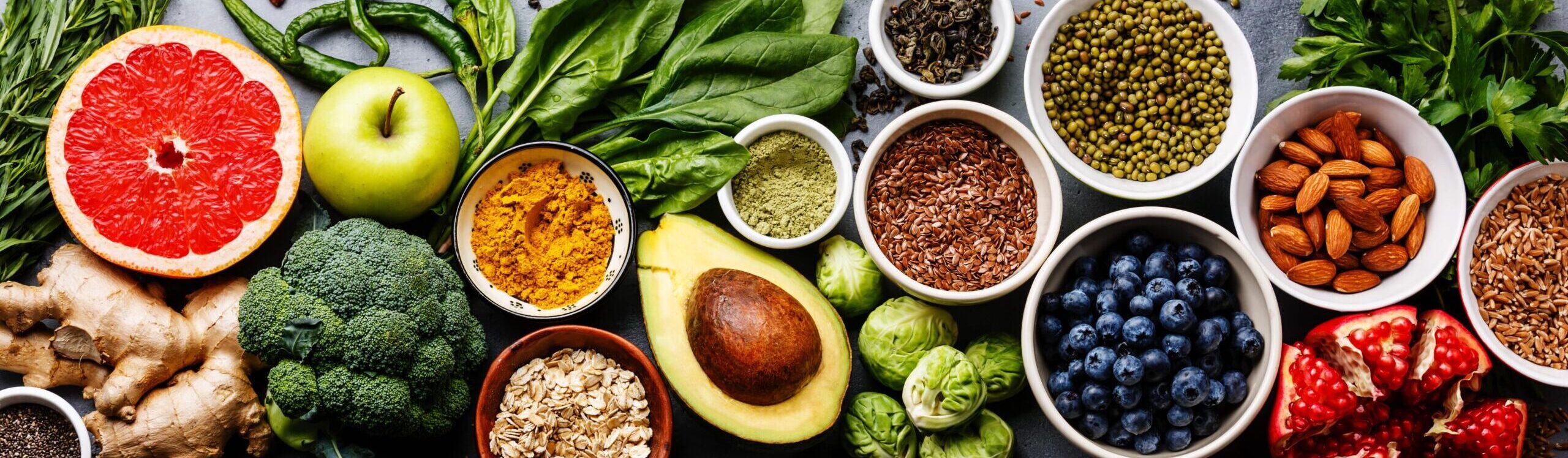
Vitamin C is abundant in a variety of fruits and vegetables, including:
- Citrus fruits: Oranges, grapefruits, lemons, and limes are well-known sources.
- Berries: Strawberries, raspberries, blueberries, and blackberries provide high levels.
- Tropical fruits: Kiwifruit, mango, papaya, and pineapple.
- Bell peppers: Especially red and yellow bell peppers, which are extremely rich in vitamin C.
- Tomatoes: Both raw and cooked tomatoes.
- Leafy green vegetables: Spinach, kale, and Swiss chard.
- Broccoli and Brussels sprouts: These cruciferous vegetables are also rich in vitamin C.
Functions and Benefits of Vitamin C
Vitamin C is essential for several key bodily functions:
- Schutz durch Antioxidantien: Vitamin C acts as a powerful antioxidant, helping to protect cells from oxidative damage caused by free radicals, which are linked to chronic diseases.
- Collagen Synthesis: It is crucial for the synthesis of collagen, a structural protein vital for skin, tendon, bone, and blood vessel health.
- Iron Absorption: It enhances the absorption of non-heme iron (the form of iron found in plant-based foods), thereby preventing iron-deficiency anemia.
- Unterstützung des Immunsystems: Vitamin C supports various cellular functions of the immune system and may help shorten the duration and severity of the common cold.
Additional benefits include support for cardiovascular health, reduced risk of certain eye diseases like cataracts, and potential protection against skin aging.
Deficiency Symptoms of Vitamin C
Vitamin C deficiency can lead to several health problems, including:
- Fatigue and Weakness: One of the earliest signs of vitamin C deficiency.
- Gum Inflammation and Bleeding: Often seen in scurvy, a disease caused by severe vitamin C deficiency.
- Joint and Muscle Aches: Due to impaired collagen synthesis.
- Skin Rashes or Rough, Bumpy Skin: Caused by damaged blood vessels under the skin.
- Delayed Wound Healing: Due to impaired collagen formation.
- Iron-Deficiency Anemia: Resulting from reduced iron absorption.
Excess Symptoms of Vitamin C
Although vitamin C is generally considered safe, excessive intake (above 2,000 mg per day) can cause side effects such as:
- Diarrhöe: A common symptom of vitamin C overdose.
- Nausea and Stomach Cramps: Often caused by irritation of the digestive tract.
- Headache and Insomnia: Potential side effects of high vitamin C intake.
Recommended Daily Intake of Vitamin C
The recommended daily intake of vitamin C varies by age, sex, and life stage:
- Kleinkinder (0-6 Monate): 40 mg
- Kleinkinder (7-12 Monate): 50 mg
- Kinder (1-3 Jahre): 15 mg
- Kinder (4-8 Jahre): 25 mg
- Kinder (9-13 Jahre): 45 mg
- Males (14-18 years): 75 mg
- Females (14-18 years): 65 mg
- Adult Males: 90 mg
- Adult Females: 75 mg
- Pregnant Females (19 years and older): 85 mg
- Breastfeeding Females (19 years and older): 120 mg
Absorption and Interactions of Vitamin C
Vitamin C is absorbed in the small intestine, but high doses can reduce its absorption efficiency. Certain medications, such as aspirin and nonsteroidal anti-inflammatory drugs (NSAIDs), can increase the excretion of vitamin C through urine, potentially leading to lower levels in the body.
Deficiency Diseases or Conditions Related to Vitamin C
A severe deficiency of vitamin C leads to scurvy, characterized by:
- Anämie
- Edema (swelling)
- Weakness and Fatigue
- Spontaneous Bleeding
- Pain in the Limbs
Toxicity or Overdose Effects of Vitamin C
Though generally safe due to its water-soluble nature, very high doses of vitamin C can lead to side effects like:
- Diarrhöe
- Nausea
- Stomach Cramps
- Increased Risk of Kidney Stones: Particularly at doses above 2,000 mg per day over extended periods.
Special Considerations for Vitamin C
Certain groups may require higher intakes of vitamin C:
- Smokers: Need an additional 35 mg per day due to increased oxidative stress and metabolic turnover of vitamin C.
- Pregnant and Breastfeeding Women: Have higher vitamin C needs.
- Individuals with Certain Medical Conditions: Such as chronic diseases or those recovering from surgery may also benefit from increased vitamin C intake.
Additional Facts about Vitamin C
- Historical Use: Vitamin C was first identified as the factor preventing scurvy among sailors.
- Skincare Benefits: It is widely used in topical skincare products for its antioxidant properties and its role in collagen synthesis.
- Cannot Be Synthesized: The human body cannot synthesize vitamin C, making it essential to consume it through diet or supplements.