
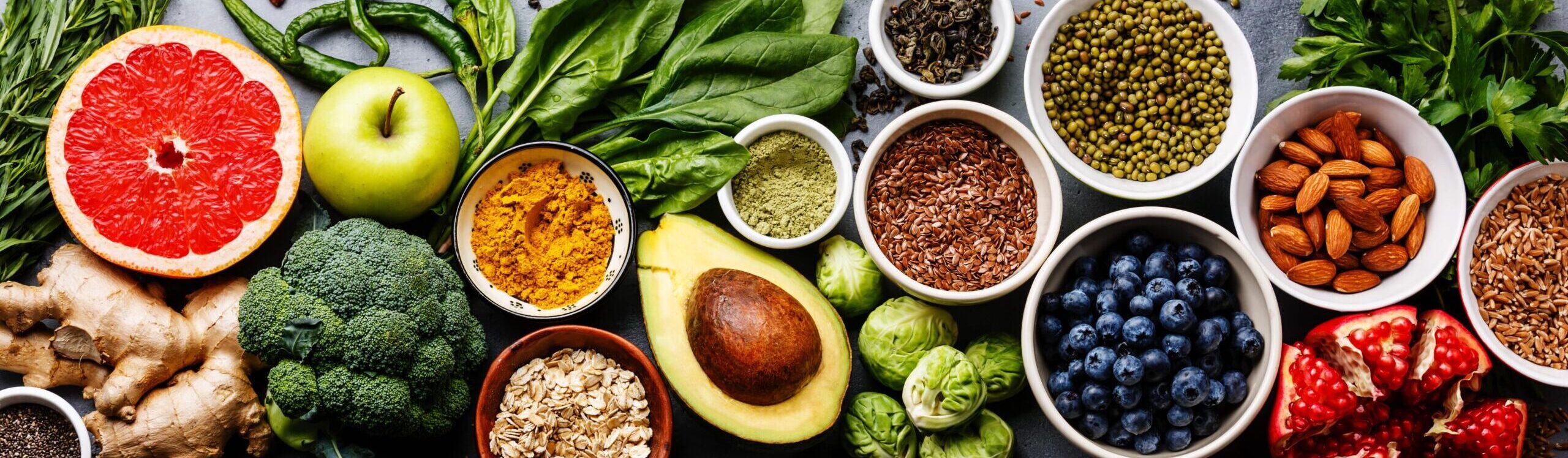
Stellen Sie sich Ihren Körper als ein komplexes Gebilde vor, das auf eine Vielzahl organischer Verbindungen angewiesen ist, um seine Kraft und Vitalität zu erhalten. Diese grundlegenden Verbindungen, bekannt als Aminosäuren, sind die unbesungenen Helden im großen Plan für Ihre Gesundheit und Ihr Wohlbefinden. Eine Myriade von Aminosäuren Es gibt verschiedene Arten von Proteinen, von denen jedes seinen eigenen Zweck erfüllt, vom Aufbau robuster Proteine bis zur Unterstützung der Neurotransmitterfunktion. Wenn Sie Ihre Gesundheit optimieren wollen, sollten Sie die verschiedenen Arten von Aminosäuren, Ihre unverzichtbaren Funktionen und ihr Nutzen sind von größter Bedeutung. Darüber hinaus ist das Erkennen von Nahrungsquellen, die reich an Aminosäuren ist wichtig, um sicherzustellen, dass Ihre Ernährung die Bedürfnisse Ihres Körpers angemessen unterstützt.
Um die Kraft dieser lebenswichtigen Nährstoffe zu nutzen, müssen Sie Lebensmittel verzehren, die reich an essentielle Aminosäuren, da Ihr Körper sie nicht selbst synthetisieren kann. Tierische Proteine wie Fleisch, Eier und Geflügel sind beispielhafte Quellen, aber auch pflanzliche Alternativen wie Sojabohnen bieten ein vollständiges Aminosäureprofil. Neben der Unterstützung des Muskelaufbaus haben Aminosäuren weitreichende Auswirkungen auf das Nerven-, Fortpflanzungs-, Immun- und Verdauungssystem, was ihre bemerkenswerte Vielseitigkeit und Bedeutung unterstreicht.
Wichtigste Erkenntnisse
- Der Körper benötigt 20 verschiedene Aminosäuren, von denen 9 essenziell sind und über die Nahrung aufgenommen werden müssen.
- Aminosäuren sind für Prozesse wie den Aufbau von Proteinen, die Hormonproduktion und die Synthese von Neurotransmittern unerlässlich.
- Fleisch, Fisch, Sojabohnen und Eier gehören zu den besten Nahrungsquellen, um eine ausgewogene Palette von Aminosäuren zu erhalten.
- Die Vorteile von Aminosäuren gehen über die Muskelgesundheit hinaus und unterstützen auch andere Systeme wie das Immun- und Verdauungssystem.
- Tierische und bestimmte pflanzliche Lebensmittel liefern vollständige Proteinquellen, und stellt sicher, dass Ihre Aufnahme aller essentielle Aminosäuren.
Aminosäuren erklärt: Die Grundlagen
Die Erforschung der Aminosäuren bedeutet, die Essenz des Lebens selbst zu verstehen. Diese Verbindungen sind nicht einfach nur ein Teil Ihrer Ernährung, sie sind von zentraler Bedeutung für die Funktionsmechanismen des Körpers. Ein grundlegendes Wissen über Aminosäuren verdeutlicht ihre allgegenwärtige Rolle im Körper, von der Unterstützung des Stoffwechsels bis zur Erleichterung der Kommunikation zwischen den Zellen. Im Rahmen dieses Abschnitts werden wir uns mit den molekularen Feinheiten befassen, die Aminosäuren für Wohlbefinden und Vitalität unverzichtbar machen.
Definition der Aminosäuren und ihrer Rolle im Körper
Im Kern sind Aminosäuren organische Moleküle, die aus Stickstoff, Kohlenstoff, Wasserstoff und Sauerstoff bestehen und mit einer variablen Seitenkette verbunden sind, die die einzigartigen Eigenschaften jeder Aminosäure bestimmt. Ihre Rolle in Ihrem Körper kann nicht hoch genug eingeschätzt werden. Aminosäuren sind grundlegend für Proteinsynthese, Aminosäuren sind ein lebenswichtiger Prozess, bei dem die Zellen neue Proteine bilden, die Wachstum, Reparatur und Wartung unterstützen. Aminosäuren bilden nicht nur die Proteine, die Ihre Muskeln und Enzyme formen, sondern dienen auch als Vorläufer von Hormonen und Neurotransmittern, was ihre zentrale Rolle in fast allen biochemischen Prozessen unterstreicht.
Wie Aminosäuren Proteine bilden
Die Verbindung von Aminosäuren zu Proteinen ist ein Wunderwerk der Biologie, bei dem die Ordnung die Funktion hervorbringt. Durch ein sequenzgesteuertes Prinzip, bei dem die Aminosäuren auf der Grundlage des genetischen Codes akribisch angeordnet werden, erwachen Proteine zum Leben. Diese Sequenzen falten sich zu komplexen dreidimensionalen Strukturen, die jeweils auf bestimmte Aufgaben im Körper zugeschnitten sind. Ob sie als Enzyme Reaktionen katalysieren, strukturelle Unterstützung bieten oder Nährstoffe transportieren - Proteine sind die Arbeitspferde, die aus dem Reich der Aminosäuren hervorgehen. Sie sind im wahrsten Sinne des Wortes die Fäden des Lebens, die auf dem Webstuhl der Aminosäuren im Körper.
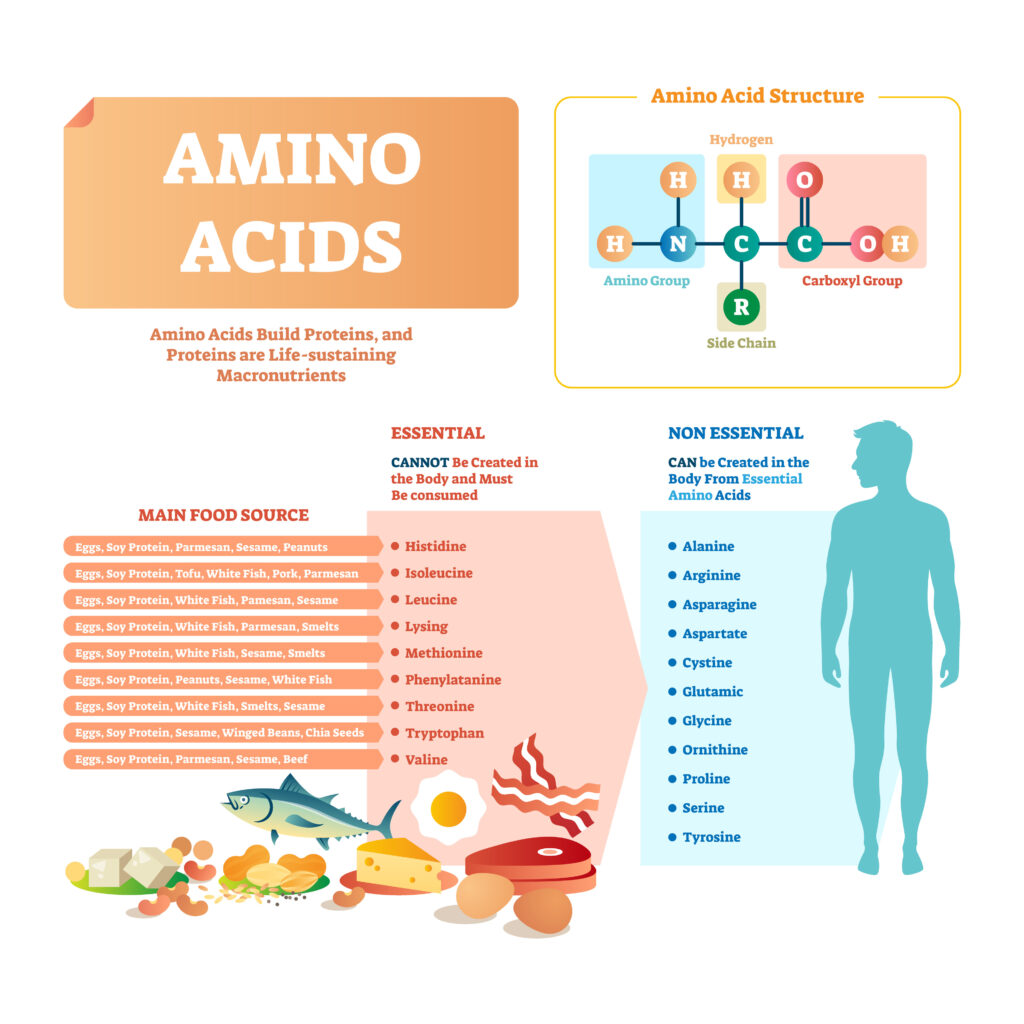
Aminosäuren Vektor-Illustration. Liste mit Lebensmitteln und ihren essentiellen Säuren. Gesunde und ausgewogene Ernährung Mahlzeit zu erhalten notwendigen chemischen Elemente wie Histidin, Lysing, Valin, Leucin und andere.
Wenn Sie eine proteinreiche Nahrung zu sich nehmen, setzt der Körper eine Vielzahl von Enzymen ein, um das Protein in seine einzelnen Aminosäuren aufzuspalten. Diese freigesetzten Aminosäuren können dann ihre vielfältigen Aufgaben wahrnehmen, vom Aufbau neuer Proteine im Muskelgewebe bis zur Stärkung des Immunsystems - ein Beweis für ihre dynamische Fähigkeit, zu verjüngen und zu erhalten.
- Aminosäuren sind von zentraler Bedeutung für die Rolle der Proteinsynthese und eine Vielzahl von physiologischen Funktionen.
- Die spezifische Seitenkette jeder Aminosäure trägt zur Vielfalt der Proteine bei und wirkt sich auf deren Struktur und Funktion aus.
- Die verdauten Aminosäuren werden zum Werkzeugkasten für die Reparatur des Körpers, die Immunabwehr und die zelluläre Kommunikation.
Klassifizierung von Aminosäuren: Welche Arten gibt es?
Im Bereich der Ernährung und Physiologie werden Aminosäuren in verschiedene Kategorien eingeteilt, die auf der Fähigkeit des Körpers basieren, sie zu synthetisieren. Im Folgenden werden wir die Unterschiede zwischen essenziellen, nicht-essenziellen und verzweigtkettigen Aminosäuren untersuchen, die alle zur komplexen biochemischen Symphonie des Körpers beitragen.
Essentielle vs. nicht-essentielle Aminosäuren
Die essentielle Aminosäuren sind diejenigen, die der Körper nicht selbst herstellen kann und die über die Nahrung aufgenommen werden müssen. Dazu gehören Histidin, Isoleucin, Leucin, Lysin, Methionin, Phenylalanin, Threonin, Tryptophan und Valin. Im Gegenteil, nicht essentielle Aminosäuren sind diejenigen, die der Körper selbst synthetisieren kann, so dass die Aufnahme über die Nahrung für die Gesundheit nicht unbedingt erforderlich ist. Allerdings sind bestimmte nicht essentielle Aminosäuren werden. bedingt notwendig in Zeiten von Stress oder Krankheit, wenn der Körper mehr braucht, als er produzieren kann.
Nicht-essentielle Aminosäuren, spielen trotz der Bezeichnung immer noch eine entscheidende Rolle. Sie sind an verschiedenen Prozessen wie der Gewebereparatur, Immunreaktionen und der Aufrechterhaltung der Homöostase im Körper beteiligt. Es ist wichtig zu wissen, dass “nicht-essentiell” nicht bedeutet, dass diese Aminosäuren unwichtig sind, sondern dass sie unter normalen Umständen nicht über die Nahrung aufgenommen werden müssen.
Verzweigtkettige Aminosäuren und ihre besondere Rolle
Verzweigtkettige Aminosäuren (BCAAs) - insbesondere Valin, Leucin und Isoleucin - sind eine Untergruppe von essentielle Aminosäuren mit einer einzigartigen Molekularstruktur. Sie haben eine verzweigte, aliphatische Seitenkette, die sie von anderen Aminosäuren unterscheidet. Diese Struktur hat eine spezifische Auswirkung darauf, wie BCAAs verstoffwechselt werden, vor allem in der Skelettmuskulatur und nicht in der Leber wie die meisten anderen Aminosäuren.
BCAAs spielen eine zentrale Rolle im Muskel Proteinsynthese, Sie sind daher besonders wichtig für Sportler und Personen, die regelmäßig Sport treiben. Widerstandstraining. Ihre Fähigkeit, die Regeneration der Muskeln zu verbessern, Muskelkater zu reduzieren und die Energieproduktion bei anstrengenden Aktivitäten zu erhöhen, macht BCAAs zu einem unschätzbaren Wert für alle, die ihre körperliche Leistung optimieren wollen.
| Essentielle Aminosäure | Vorteile | Primäre Nahrungsmittellieferanten |
|---|---|---|
| Leucin | Proteinsynthese, Muskelreparatur, Blutzuckerregulierung | Fleisch, Eier, Sojaprodukte, Nüsse |
| Isoleucin | Muskelstoffwechsel, Immunfunktion, Hämoglobinproduktion | Fleisch, Fisch, Geflügel, Eier, Käse |
| Valin | Stimuliert das Muskelwachstum und die Energieproduktion | Milchprodukte, Getreide, Pilze, Erdnüsse, Soja |
Trotz der verschiedenen Nahrungsquellen und Arten von Aminosäuren, Deshalb ist es wichtig, eine Vielzahl von Lebensmitteln zu verzehren, um sicherzustellen, dass Sie eine ausreichende Menge von jedem zu sich nehmen. Das Erkennen der einzigartigen Funktionen und Quellen von essentielle Aminosäuren, nicht essentielle Aminosäuren, und verzweigtkettige Aminosäuren ist der Schlüssel zur Formulierung einer ausgewogenen Ernährungsstrategie, die die Bedürfnisse Ihres Körpers unterstützt.
Die Bedeutung der Aminosäuren für die Proteinsynthese
Proteinsynthese ist ein Beweis für die komplexe und sorgfältige Natur der zellulären Vorgänge - ein Prozess, der untrennbar von der Verfügbarkeit und dem Einbau von Aminosäuren abhängt. Als Aufbau von Proteinen mit Aminosäuren ist von grundlegender Bedeutung für die Struktur und Regulierung jeder Zelle in Ihrem Körper. Aminosäurefunktionen ist unerlässlich. Durch die Präzision des Ribosoms werden Aminosäuren zu Proteinen zusammengesetzt, die durch den genetischen Code, der in die mRNA-Vorlage transkribiert wurde, gesteuert werden. Dieser komplizierte Tanz der Moleküle ist der Kern der Kontinuität und Vielfalt des Lebens.
Denken Sie an die Vitalität der essentiellen Aminosäuren in diesem komplizierten Prozess; sie sind unverzichtbar. Ohne sie würde die Symphonie des Lebens ins Stocken geraten, da diese essenziellen Bestandteile die für das Gewebewachstum erforderlichen Substanzen und die notwendigen Substrate für unzählige enzymatische Reaktionen bilden. Die Rolle der Aminosäuren geht über den einfachen Begriff der Bausteine hinaus - sie sind aktive Teilnehmer an der zellulären Signalübertragung und wesentliche Akteure bei der Aufrechterhaltung robuster Immunfunktionen.
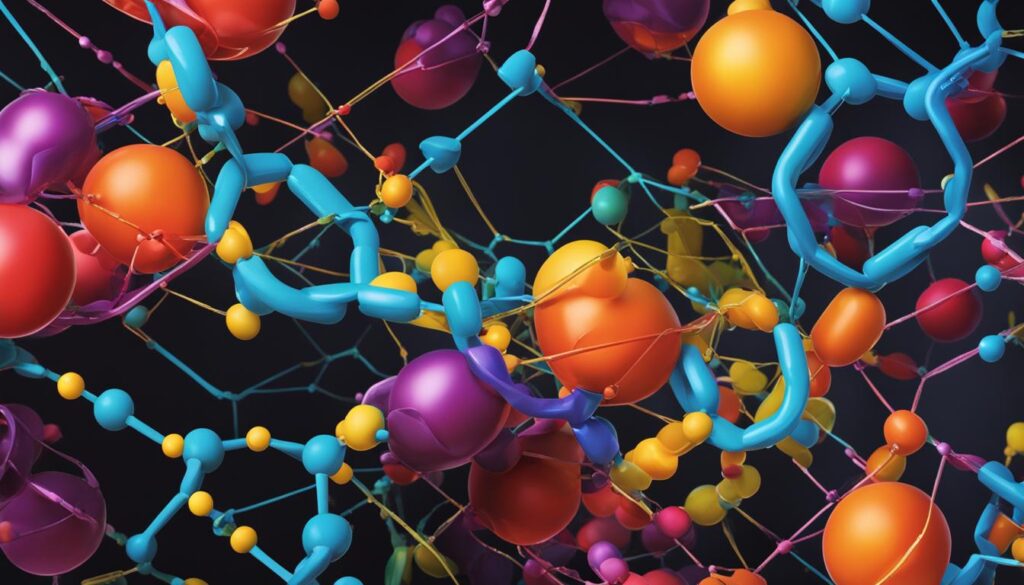
Stellen Sie sich jede Aminosäure als einzigartige Perle vor, die auf dem Faden der Peptidbindungen aufgereiht ist, um verschiedene Proteine zu bilden. Diese Proteine, konstruiert durch Aminosäuren in der Proteinsynthese, und wandern dann weiter, um ihre Aufgaben als Enzyme, Hormone oder Antikörper zu erfüllen. Wird einer Zelle nur eine einzige essenzielle Aminosäure vorenthalten, kann der gesamte Prozess zum Stillstand kommen, was die Notwendigkeit einer an diesen essenziellen Nährstoffen reichen Ernährung unterstreicht.
- Essentielle Aminosäuren: Sie werden in der Ernährung benötigt und sind für die Produktion von Proteinen und die Erhaltung der Gesundheit unerlässlich.
- Nicht-essentielle Aminosäuren: Sie werden vom Körper synthetisiert und sind dennoch für das allgemeine Wohlbefinden von großer Bedeutung.
- Peptidbindungen: Die chemischen Bindungen, die Aminosäuren in einer bestimmten Reihenfolge verbinden - das Rückgrat der Proteinstruktur.
Die Harmonie der Lebensfunktionen wird also durch das Vorhandensein von Aminosäuren bestimmt - ihre Rolle beim Aufbau von Proteinen ist ebenso wichtig wie die der Proteine selbst. Sie müssen sicherstellen, dass Ihr Körper mit diesen lebenswichtigen Molekülen ausgestattet ist, damit er die heikle Aufgabe erfüllen kann, den Körper zu versorgen, sei es in Form von Nahrungsmitteln oder, falls erforderlich, durch Nahrungsergänzungsmittel. Aminosäuren in der Proteinsynthese, und die Förderung eines Umfelds, das Gesundheit und Vitalität fördert.
Wie der Körper die Aminosäuren für das Muskelwachstum verwertet
Für diejenigen, die sich auf den Weg der körperlichen Fitness und des Krafttrainings machen, sind Aminosäuren die Verbündeten ihrer Muskeln. Diese robusten organischen Verbindungen sind nicht nur die Bausteine für Proteine, sondern auch entscheidende Katalysatoren für das Muskelwachstum, insbesondere in Kombination mit Widerstandstraining. Wenn Sie sich in rigorosen Übungen engagieren, sollten Sie die Rolle der Aminosäuren in diesem Prozess ist entscheidend, um optimale Ergebnisse zu erzielen.
Aminosäuren und Widerstandstraining
Wenn Sie Ihre Muskeln der Belastung durch Widerstandstraining, löst er die Notwendigkeit aus, dass Muskelreparatur und Wachstum. Hier kommen die Aminosäuren ins Spiel. Verzweigtkettige Aminosäuren, oder BCAAs, sind besonders bemerkenswert für ihre Effizienz bei der Anregung der Muskelproteinsynthese. Die Einnahme dieser Aminosäuren kann die Fähigkeit Ihres Körpers steigern, Muskelfasern, die während des Trainings beansprucht werden, wieder aufzubauen, wodurch der Muskelkater gemildert und die Erholung verbessert wird, was den Weg für erhebliche Muskelwachstum.
Proteinumsatz und Muskelreparatur
Ihre Muskeln befinden sich in einem ständigen Zustand der Veränderung, der als Proteinumsatz-der ständige Zyklus des Abbaus alter und der Synthese neuer Proteine. Dieses Gleichgewicht ist entscheidend für die Aufrechterhaltung der Gesundheit und Funktion der Muskeln. Aminosäuren stehen im Mittelpunkt dieses Prozesses. Aminosäuren wie Leucin sind besonders einflussreich, da sie nicht nur als Brennstoff Muskelreparatur sondern helfen auch bei der Regulierung des Blutzuckerspiegels und der Produktion von Wachstumshormonen, die für den Erhalt der Muskeln unerlässlich sind.
| Aminosäure | Funktion beim Muskelwachstum | Vorteile für das Widerstandstraining |
|---|---|---|
| Leucin | Fördert die Muskelproteinsynthese | Reguliert den Blutzucker, stimuliert die Wachstumshormone |
| Isoleucin | Beteiligt am Muskelstoffwechsel | Verbessert die Muskelerholung, reguliert die Energie |
| Valin | Stimuliert das Wachstum der Muskelfasern | Reduziert Muskelkater, unterstützt die Energieproduktion |
Die Einbindung von Aminosäuren für die Muskelreparatur und die Synthese sind besonders wichtig nach dem Training, damit Ihre Muskeln gestärkt zurückkommen. Eine achtsame Ernährung oder Nahrungsergänzung kann Ihrem Körper die Aminosäuren liefern, die er braucht, und es Ihnen ermöglichen, das Räderwerk der Muskelreparatur und ein reibungsloses Wachstum.
Aminosäuren zur Unterstützung von Gehirnfunktion und Stimmung
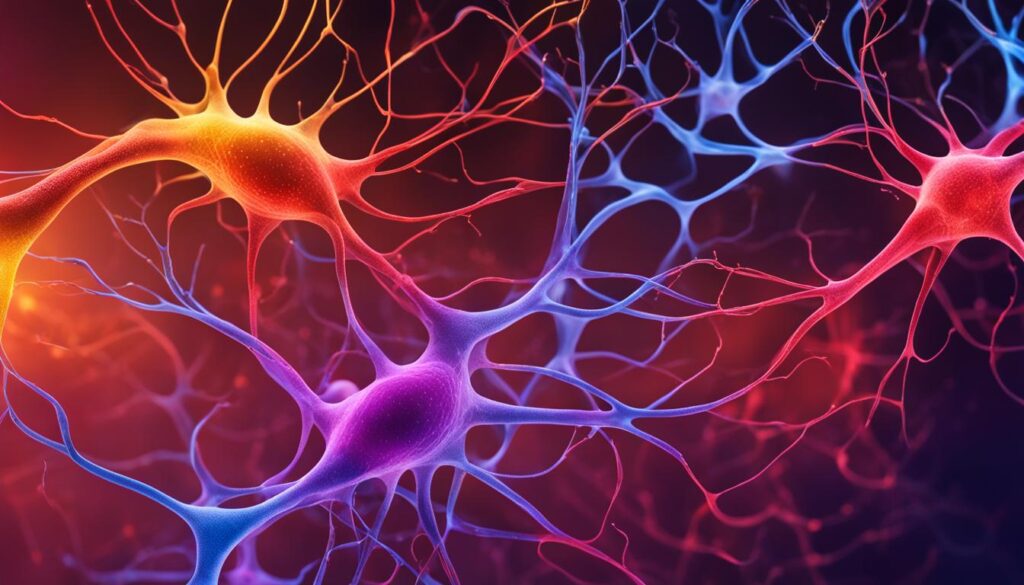
Wenn man in den weiten Ozean der Ernährungswissenschaft eintaucht, kann man nicht umhin, die tiefgreifenden Auswirkungen zu bemerken Aminosäuren für die Gehirnfunktion haben. Diese organischen Verbindungen sind mehr als nur Bausteine für Proteine - sie spielen eine zentrale Rolle bei der Synthese von Neurotransmittern, den chemischen Botenstoffen, die Signale im Gehirn weiterleiten und alles von Denkprozessen bis hin zur emotionalen Stabilität beeinflussen.
Neurotransmitterproduktion und psychische Gesundheit
So wie ein Maestro ein Orchester dirigiert, um harmonische Musik zu erzeugen, so orchestrieren Aminosäuren die Symphonie der Neurotransmitter-Produktion wesentlich für die geistige Gesundheit. Diese biochemische Arbeitsgruppe beeinflusst Kognition, Stimmung und die allgemeine neurologische Funktion. Aminosäuren zur Stimmungsaufhellung sind gründlich untersucht worden, und es gibt immer wieder Hinweise darauf, dass sie das psychische Wohlbefinden beeinflussen können.
Zu den Hauptakteuren in diesem neurologischen Ensemble gehören Verbindungen wie Tyrosin, ein Derivat von Phenylalanin, das der Vorläufer von Dopamin, Noradrenalin und Adrenalin ist. Diese Neurotransmitter sind entscheidend für Motivation und Wohlbefinden und fungieren als natürliche Belohnungsstoffe des Gehirns. Wenn Sie Ihre Ernährung mit aminosäurereichen Lebensmitteln oder Nahrungsergänzungsmitteln anreichern, können Sie einen ausgeglichenen Neurotransmitter-Spiegel unterstützen, was im Allgemeinen zu einer besseren Stimmung und besseren kognitiven Funktionen führt.
Die Verbindung zwischen Tryptophan und Serotonin
Insbesondere Tryptophan, eine essenzielle Aminosäure, spielt eine wichtige Rolle als Vorläufer für die Produktion von Serotonin, einem Neurotransmitter, der für die Regulierung von Appetit, Schlaf und Stimmung entscheidend ist. Niedrige Serotoninwerte werden häufig mit Stimmungsstörungen in Verbindung gebracht, so dass Aminosäuren für die Gehirnfunktion wie z. B. Tryptophan, eine wichtige Rolle bei der Bewältigung der psychischen Gesundheit. Wenn Sie sich diese Aminosäuren durch eine sorgfältige Auswahl der Lebensmittel oder durch Nahrungsergänzungsmittel zunutze machen, können Sie möglicherweise den Weg für einen ausgeglicheneren und gelasseneren Geisteszustand ebnen.
- Für die Produktion von Serotonin: Tryptophanreiche Lebensmittel wie Truthahn, Eier und Käse können in Ihre Ernährung aufgenommen werden.
- Zur Förderung der Dopaminsynthese: Erwägen Sie die Aufnahme von Tyrosinquellen wie Mandeln, Kürbiskernen und Sojaprodukten.
Eine Ernährung, die reich an verschiedenen Aminosäuren ist, kann wesentlich zur Stimmungsregulierung und geistigen Schärfe beitragen und die neurologische Gesundheit schützen. Es geht darum, das Gehirn mit den richtigen Inhaltsstoffen zu versorgen, um einen optimalen geistigen Zustand zu fördern, wobei die Aminosäuren einer der wichtigsten Nährstoffe in diesem Bestreben sind.
Aminosäuren: Arten, Funktion, Nutzen, welche Art von Nahrung
Auf dem Weg zu optimaler Gesundheit muss man die entscheidende Rolle der diätetische Aminosäuren. Diese organischen Verbindungen sind weit mehr als nur Hilfsmittel für den Muskelaufbau; sie sind für das reibungslose Funktionieren von Organen, Drüsen, Sehnen und Arterien unerlässlich. Sie spielen auch eine wichtige Rolle bei der Heilung und Reparatur von Geweben nach Verletzungen. Reichhaltige Quellen für Aminosäuren finden sich in einer Vielzahl von Lebensmitteln, die alle zu dem komplexen Puzzle beitragen, das eine gesundheitsfördernde Ernährung ausmacht.
Sie machen nicht nur einen Teil der Nahrungsaufnahme aus, sondern Vorteile von Aminosäuren durchdringen zahlreiche Körperfunktionen. Sie sind wesentlich für die Aufrechterhaltung der strukturellen Integrität der Zellen, erleichtern lebenswichtige Stoffwechselvorgänge und tragen zur Gesundheit des Herz-Kreislauf-Systems und des Immunsystems bei. Zu den Nahrungsmitteln mit einem hohen Gehalt an diesen lebenswichtigen Verbindungen gehören Fleisch, Meeresfrüchte, Eier, Milchprodukte, Sojaprodukte und bestimmte Hülsenfrüchte, die jeweils ein einzigartiges Spektrum an diesen essenziellen Nährstoffen bieten. Das Kraftpaket unter den Nahrungsmitteln, die Eier, liefert beispielsweise eine ganze Reihe von essenziellen Aminosäuren, die für die täglichen Stoffwechselfunktionen notwendig sind.
Für diejenigen, die ihren Konsum steigern wollen, Aminosäure-Nahrungsquellen sind reichlich vorhanden und vielfältig. Die Aufnahme eines breiten Spektrums an proteinreichen Lebensmitteln, von tierischen bis hin zu pflanzlichen, stellt sicher, dass Sie ein umfassendes Spektrum dieser essenziellen Verbindungen erhalten. Für Personen mit erhöhtem Nährstoffbedarf, z. B. Sportler oder Personen, die sich von einer Operation erholen oder mit einer Infektion konfrontiert sind, kann eine Ergänzung mit spezifischen Aminosäuren zusätzliche Vorteile bieten und die Heilung und Leistungsfähigkeit unterstützen.
In der Tat kann eine Ernährung, die eine breite Palette von Aminosäuren enthält, einen bemerkenswerten Einfluss auf Ihr allgemeines Wohlbefinden haben. Von der Verbesserung der Stimmung und der Steigerung der sportlichen Leistung bis hin zur Unterstützung des Körpers bei Erholung und Stress - die diätetische Aminosäuren die Sie zu sich nehmen, spielen eine grundlegende Rolle bei der Erhaltung Ihrer Gesundheit. Es geht nicht nur um eine ausgewogene Ernährung, sondern darum, den Körper mit den Nährstoffen auszustatten, die er zum Gedeihen braucht.
To maximize the Vorteile von Aminosäuren, consider incorporating the following examples into your meal planning:
- For a boost in lysine: consume cheese, eggs, fish, and potatoes.
- To increase your intake of methionine: look to sesame seeds, Brazil nuts, fish, and cereal grains.
- For a rich source of leucine: include foods like chicken, beef, pork, and pumpkin seeds in your diet.
By focusing on these Aminosäure-Nahrungsquellen, you can help ensure that your nutritional needs are met, providing your body with the essential building blocks it requires for optimal function. Remember, while some may opt for supplements, nature offers a bounty of sources rich in these vital nutrients. Explore and enjoy the variety that a well-rounded diet can provide, and reap the rewards of improved health and vitality.
Immune System Support Through Amino Acids
Your body’s immune system is a complex network that works tirelessly to protect you from pathogens. Essential to its function are certain immunonutrients, including amino acids that play pivotal roles in maintaining and enhancing your immunity. Amino acids such as arginine are notable for their ability to support immune responses and facilitate healing processes.
Arginine, in particular, is recognized for its influence on immunity. It serves as a precursor to nitric oxide, a molecule that plays a critical role in immune defense mechanisms. Additionally, glutamine is another amino acid that provides energy to immune cells, supporting their proliferation and function, especially in the gut where a significant portion of the immune system resides.
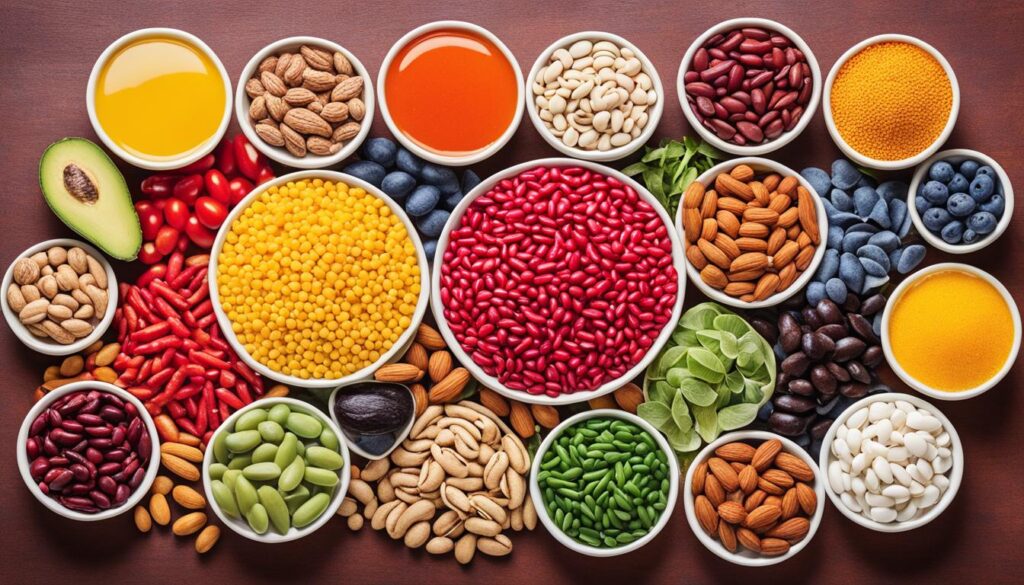
Furthermore, histidine is involved in the production of histamine, a compound essential for the body’s initial immune response to allergens and infections. Lysine is also closely associated with the immune system due to its reputed role in antibody production.
To ensure your immune system gets ample support, consider incorporating rich sources of these amino acids into your diet or through supplementation. Now, let’s take a look at some of the key amino acids that bolster immunity and their primary food sources:
| Aminosäure | Role in Immune Support | Primäre Nahrungsmittellieferanten |
|---|---|---|
| Arginine | Enhances immune defenses, wound healing | Meat, dairy products, nuts, seeds |
| Glutamine | Provides energy for immune cells, gut health support | Eggs, beef, tofu, rice |
| Histidine | Produces histamine for immune responses | Chicken, turkey, soybeans, whole grains |
| Lysine | Involved in antibody production | Cheese, fish, potatoes, red meat |
By ensuring these amino acids are a regular part of your diet or supplement regimen, you can support and possibly enhance your immune system’s ability to fight off invaders and recover from illnesses. A well-functioning immune system is paramount for overall health, and amino acids for immune system support provide an excellent foundation for building and maintaining this complex network of defense.
Essential Amino Acids and Their Specific Functions
Within the pantheon of nutrients essential for a thriving body, essentielle Aminosäuren stand out for their critical roles. Each of these amino acids contributes significantly to our health, supporting a myriad of biological processes that range from muscle repair to immune system defense. Two amino acids in particular, lysine and methionine, offer unique advantages that underscore the diverse capabilities of these vital organic compounds.
Lysine’s Role in Calcium Absorption and Immune Health
Lysine is well known for supporting calcium absorption, a mineral pivotal for bone strength and overall cellular function. This essential amino acid is also a key player in producing hormones and enzymes that regulate various bodily processes. The benefits of lysine extend to immune health, where it participates actively in producing antibodies and has a crucial role in energy production. Moreover, it is essential for the synthesis of collagen and elastin, both imperative for healthy skin, tissue repair, and other regenerative processes in the body.
Methionine and its Importance for Metabolism
Methionine serves multiple functions in the body, notably in metabolism and detoxification pathways. As a crucial component for tissue growth, it greatly enhances the body’s ability to recover and rebuild. Furthermore, methionine’s function includes the critical absorption of minerals such as zinc and selenium, which are indispensable for maintaining a healthy immune system and protecting against oxidative stress. Its role in the body exemplifies the multifaceted nature of essentielle Aminosäuren.

Your dietary choices can have a profound impact on the levels of these essential amino acids in your body. Including a variety of foods rich in lysine and methionine is vital for optimizing your health. Sources such as legumes, fish, eggs, and soy products for lysine, and meats, seeds, nuts, and dairy for methionine, can form the cornerstone of a nutrient-dense diet that provides these indispensable amino acids.
| Essentielle Aminosäure | Important Function | Suggested Dietary Sources |
|---|---|---|
| Lysine | Calcium absorption, immune support, collagen synthesis | Legumes, fish, eggs, soy products |
| Methionine | Metabolism aid, detoxification, mineral absorption | Meats, sesame seeds, Brazil nuts, whole grains |
Recognizing the function of methionine alongside the wide-ranging benefits of lysine can guide you in tailoring your diet to support these amino acids’ pivotal roles. As you seek to enrich your health, giving due attention to the foods you consume can ensure you derive the full spectrum of wellness benefits these essential amino acids offer.
Exploring Conditionally Essential Amino Acids
Our bodies demonstrate remarkable adaptability in how they utilize amino acids. Under typical circumstances, some amino acids are synthesized internally and are considered non-essential. However, certain life events demand a closer look at these versatile molecules, specifically when they transition to become conditionally essential amino acids. This unique group highlights the dynamic nature of our nutritional needs in response to varying physiological states.
Understanding When Non-essential Amino Acids Become Essential
During periods of intense stress, such as injury, infection, or surgery, the demand for specific amino acids goes up exponentially. These compounds are instrumental for repair, recovery, and immune system functions. You’ve likely encountered two such amino acids, arginine and glutamine, crucial for such critical phases. Their roles become pronounced as they shift status from being non-essential to conditionally essential, underscoring their importance in your diet or supplementation strategy during these times.
Around Illness and Stress: Arginine and Glutamine
When you are navigating the stress of an illness or recovering from trauma, the body’s requirements for certain amino acids can exceed its capacity to produce them. Arginine, known for its contribution to wound healing and immune support, becomes particularly essential. Similarly, glutamine, with its far-reaching influence on cells with rapid turnover such as the immune system, finds its demand surging. Both arginine and glutamine are pivotal in supporting your body’s stress response, backing the immune system’s combative efforts against pathogens or facilitating the healing process post-injury. They exemplify the remarkable adaptability of amino acids to cater to the body’s heightened needs during stress and disease.

In the face of pregnancy, the body’s strategy is to prioritize nutrients for two, propelling specific amino acids to the forefront. Arginine and glycine stand out as conditionally essential amino acids, central to nurturing both mother and fetus. With science shedding light on the nuanced demands of the human body during various life stages, our understanding of these critical nutrients grows, helping inform dietary choices and potential supplementation for optimal health outcomes.
Maximizing Benefits: Amino Acid Supplementation
When striving for peak physical and mental health, it’s essential to recognize the targeted advantages of amino acid supplements. Although a balanced diet typically meets the body’s amino acid requirements, certain situations—such as intensive workouts, recovery periods post-injury, or high-stress environments—can benefit from specialized supplementation. In these instances, supplementing with BCAAs (verzweigtkettige Aminosäuren) can alleviate muscle soreness and enhance recovery post-exercise, while supplements boasting tryptophan may contribute to a more positive mood through increased serotonin production.
Let’s delve deeper into the Vorteile von Aminosäuren through supplementation:
- Alleviating Muscle Soreness: Experiencing muscle fatigue or soreness after an intense workout? Amino acid supplementation, particularly with BCAAs, can help reduce these symptoms and expedite your recovery process, allowing you to return to your training with minimal downtime.
- Boosting Athletic Performance: For individuals aiming to enhance their athletic capabilities, supplementing with BCAAs has been shown to support endurance and reduce perceived exertion during exercise sessions.
- Enhancing Mood: Amino acid supplements containing tryptophan are reputed to increase serotonin levels in the brain, which can positively impact your mood and overall sense of well-being.
- Supporting Recovery: In the aftermath of injury or surgery, amino acids like arginine and glutamine become invaluable. They play a role in immune function and cell regeneration, potentially improving wound healing and recovery outcomes.
While the scientific community continues to explore the expansive Rolle der Aminosäuren in health and disease, empirical data underscores the supportive role supplementation can play in conjunction with a nutritious diet. Whether you’re looking to bolster your workout recovery or enhance your mood, a strategic approach to amino acid supplements may be beneficial. Consider consulting a healthcare provider to tailor a supplementation plan to your specific needs.

The Importance of Dietary Sources of Amino Acids
A well-rounded diet is a cornerstone of health and wellness, and within this dietary framework, the inclusion of ample dietary sources of amino acids is essential. Labeled the building blocks of life, these organic compounds are fundamental in crafting proteins that dictate the structure and function of our cells.
Complete Proteins vs. Incomplete Proteins
Essential amino acids, those which your body cannot synthesize, must be sourced from food. Complete proteins, rich in all the essential amino acids necessary for bodily functions, are predominantly found in animal products such as meat, poultry, fish, eggs, and dairy. These high-quality proteins are vital for maintaining muscle tissue, supporting metabolic processes, and overall health.
Contrastingly, incomplete proteins lack one or more of the essential amino acids. They are often derived from plant sources such as beans, lentils, nuts, and whole grains. To sustain a balanced intake of amino acids, especially within a vegetarian or vegan diet, combining various plant-based foods can result in a complete amino acid profile. This method of combining different incomplete proteins to create a full spectrum of essential amino acids within a meal or throughout the day ensures your dietary regimen supports your body’s vast array of biological activities.
Plant-Based Options for Essential Amino Acids
For those following a plant-based diet or simply looking to diversify their sources of nutrients, plant-based amino acids provide a myriad of benefits. While individually, many plant sources do not offer complete proteins, strategic planning can yield a diet abundant in all essential amino acids. Quinoa and soy stand out as plant-based complete proteins, making them invaluable staples for those eschewing animal products.
Intriguingly, even plant-based diets, when comprised of a variety of foods, can seamlessly support your protein requirements. Opting for such a diet rich in plant-based amino acids not only aligns with vegetarian and vegan lifestyles but can also be a way to introduce new flavors and textures into your meals, fostering an enjoyable and healthful dietary experience.
In conclusion, whether your dietary sources of complete proteins are animal-based or you prefer a plant-based approach, the key is balance and variety. This ensures a comprehensive array of essential amino acids conducive to optimal health and well-being. By harnessing the nutritional power of these proteins, you can contribute significantly to your body’s intricate and dynamic functioning.
Nutritional Requirements: How Much Protein Do You Really Need?
As you aim to support your body’s essential functions and reach your fitness goals, understanding your amino acid intake requirements becomes a key component of your nutritional strategy. The World Health Organization (WHO) has set forth guidelines on dietary protein needs that can help you determine your specific amino acid requirements, ensuring that your diet supports your overall health and activity levels.
Calculating Your Amino Acid Needs
Calculating your individual amino acid needs involves considering various factors such as your body weight and activity level. Incorporate a balanced intake of amino acids into your diet to help fuel your body’s processes, like building muscle protein and regulating metabolic pathways.
World Health Organization’s Recommendations on Amino Acid Intake
According to WHO amino acid recommendations, the average adult’s dietary protein needs are determined by their body weight. For each kilogram of body weight, a certain amount of each essential amino acid is required. For example, regarding isoleucine, an adult weighing 60 kg would require approximately 1.2 grams of this particular amino acid per day. While most people can fulfill these needs through their daily meals, certain populations, such as athletes or individuals with specific health conditions, may need to pay closer attention to their amino acid consumption.
Ultimately, a well-rounded diet, rich in vollständige Proteinquellen, typically meets and even exceeds the minimum essential amino acid intake requirements for most individuals. However, if you fall into a category with higher demands or have restrictions that impact your protein intake, understanding and applying these WHO guidelines can be crucial in maintaining and enhancing your health.
Complete Protein Sources: Where to Find Them
When constructing your diet to align with fitness and health goals, incorporating vollständige Proteinquellen is paramount. These food items stand out because they contain all nine essential amino acids crucial for the body’s physiological needs. While animal-based proteins like meat, fish, poultry, eggs, and dairy are recognized as complete proteins, there are also plant-based complete proteins that offer a realm of benefits, particularly for those adhering to vegetarian or vegan diets.
Animal-Based and Plant-Based Complete Proteins
Understanding the sources of complete proteins can help you tailor your dietary practices to meet your nutritional requirements effectively. Animal-based proteins, widely accepted as comprehensive sources of essential amino acids, can be found across a range of products. Meat, for instance, offers a significant amount of these amino acids per serving. Seafood is another powerhouse when it comes to amino acid content, catering to those who might prefer lighter fare or diversify their protein sources. On the other hand, plant-based diets are not left behind in this essential nutrient race. Foods like quinoa, buckwheat, hemp seeds, soybeans, and chia seeds bring forth the complete amino acid profile necessary for optimal health. These options not only accommodate dietary restrictions but also add variety to meal planning.
Integrating Whole Foods for a Balanced Amino Acid Profile
Achieving a balanced amino acid profile requires more than just focusing on individual sources. Whole foods offer a spectrum of nutrients in addition to amino acids, and their integration into your diet can ensure a more rounded intake of vitamins, minerals, and other vital substances. Pairing rice with beans or combining a variety of vegetables can augment the body’s myriad functions. As you cultivate diverse dietary habits, integrating both animal-based und plant-based complete proteins will cater to your unique lifestyle and health goals while ensuring vollständige Proteinquellen for robust well-being.
| Complete Protein Source | Type | Vorteile |
|---|---|---|
| Chicken breast | Animal-based | Rich in BCAAs, promotes muscle repair and maintenance |
| Salmon | Animal-based | High in omega-3 fatty acids, supports cardiovascular health |
| Tofu | Plant-based | Offers iron and calcium, suitable for vegan diets |
| Quinoa | Plant-based | Gluten-free and contains fiber for digestive health |
Consumer Tips: Making Smart Choices with Amino Acids
When navigating the complexities of amino acid consumption, making informed choices is key to optimizing your health. With 16 essential amino acids playing critical roles in your body, it’s vital to understand how to incorporate them into your diet effectively. These tips will guide you in making strategic dietary decisions that harness the health benefits of amino acids.
Start by assessing the protein content of the foods you consume. Animal-based products like meat, poultry, and dairy naturally contain a higher concentration of essential amino acids. However, if you lead a plant-based lifestyle, soy products such as tofu and tempeh are excellent alternatives as they offer a complete amino acid profile. It’s important to remember that variety is crucial—combine different plant-based proteins like beans, nuts, lentils, and whole grains to ensure you get all essential amino acids.
Moreover, consider the timing of your amino acid intake. Consuming amino acids shortly after exercise can greatly benefit muscle recovery and growth. If you engage in endurance sports or Widerstandstraining, your body’s demand for amino acids like leucine, isoleucine, and valine—the branched-chain amino acids—increases significantly. Optimizing intake around your workouts can help in muscle repair and facilitate better recovery.
| Essentielle Aminosäure | Vorteile | Food Recommendations |
|---|---|---|
| Leucin | Muscle repair, blood glucose regulation | Lean meats, dairy, pumpkin seeds |
| Isoleucin | Energy regulation, immune function | Eggs, fish, legumes, nuts |
| Valin | Muscle metabolism, tissue repair | Cheese, soy products, seeds |
Supplementation is another viable option for ensuring adequate amino acid intake, especially if you’re recovering from illness or dealing with high stress levels. While food sources are ideal, supplements can provide a concentrated dose of particular amino acids that may support health and performance when dietary intake may not be sufficient.
Always practice caution and seek professional guidance before integrating supplements into your diet. A healthcare provider or a registered dietitian can help personalize your amino acid intake in line with your health goals and dietary preferences.
Mindfulness in your food selection is also essential—prioritize whole foods over processed ones to avoid unnecessary additives and thoroughly read nutrition labels to ensure the product meets your dietary needs.
In conclusion, your body’s need for essential amino acids is non-negotiable, but meeting this need doesn’t have to be daunting. By following these consumer tips and making smart choices with your amino acid intake, you can support your body’s functions effectively and enjoy the myriad benefits these vital compounds bring to the table.
Schlussfolgerung
Throughout this exploration of amino acids, you have uncovered the remarkable influence these fundamental building blocks exert on your body. From bolstering muscle growth to enhancing brain function, amino acids are indispensable to maintaining your health’s delicate balance. The essential amino acids, which you must obtain through diet, along with their conditionally essential and nonessential counterparts, collectively orchestrate a symphony of biological processes that sustain life. By ensuring a diverse intake of these compounds through a mix of complete protein sources—both animal and plant-based—you provide your body with the necessary components for optimal performance.
While most will find their intake of amino acids through a balanced diet, ones rich in meat, fish, eggs, and soybeans, others may require supplementation during specific life stages or due to unique health needs. Supplements can offer specific amino acids like BCAAs or tryptophan in concentrated doses to enhance athletic recovery, improve mood, or support the immune system during times of stress. These are tools at your disposal, each serving a purpose in aiding your journey to a healthy, vibrant life.
Incorporating this knowledge into your nutritional choices equips you with the power to support your body’s myriad functions. Armed with a deeper understanding of the impact amino acids have on every aspect of well-being, you’re prepared to make informed decisions that reflect your health aspirations. From the foods you select to the timing of your intake, each choice contributes to a holistic approach to health, driven by the pivotal role of amino acids. Recognizing and honoring the importance of these nutrients can lead to profound improvements in your physical vitality and mental clarity, guiding you towards an enriched, nourished existence.